Inherited non-coding RNAs
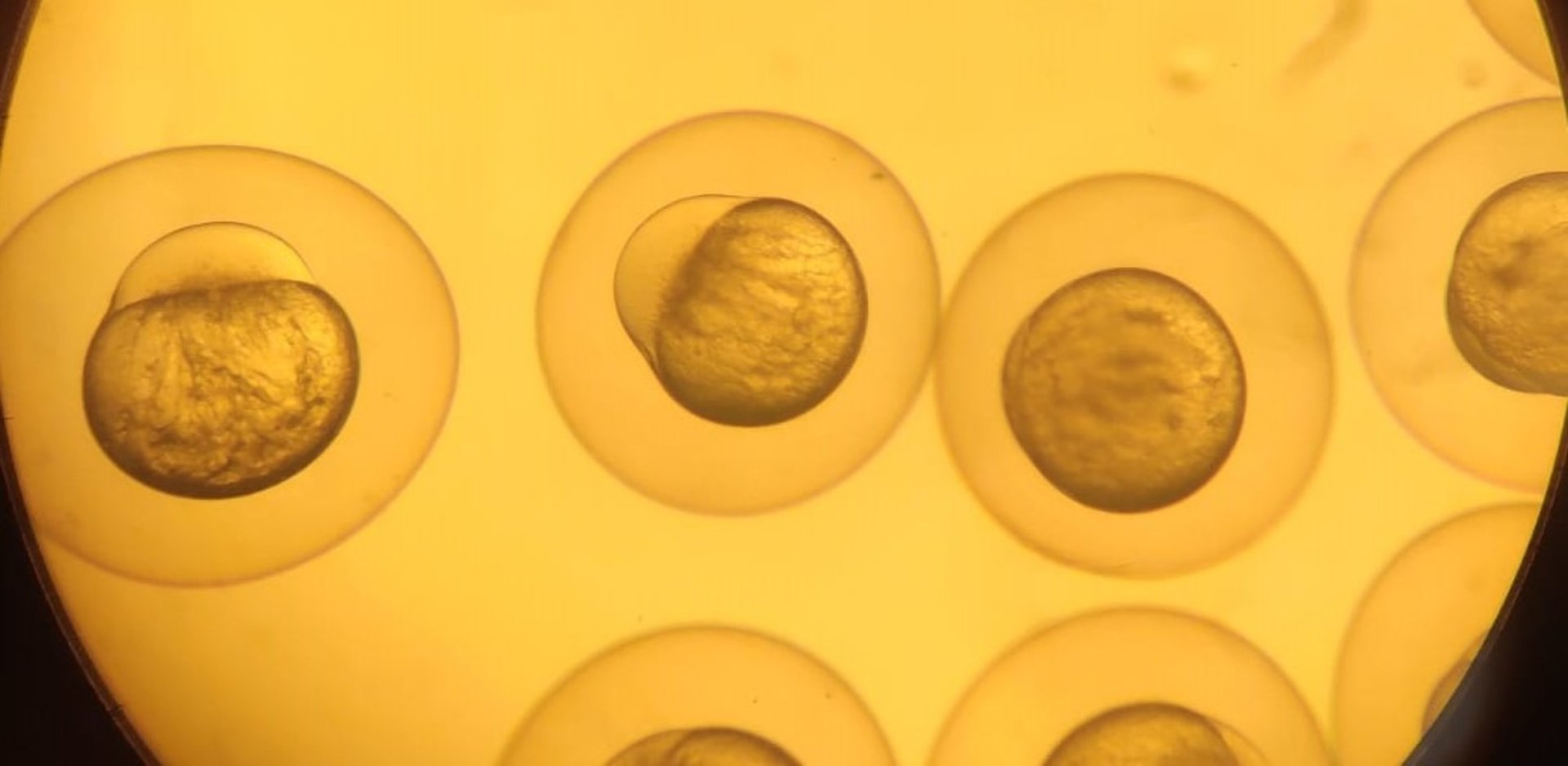
Zebrafish produce hundreds of transparent eggs which when fertilized develop all organs within a few hours. They reach reproductive age in a few months. We showed that the oocytes contain hundreds of non-coding RNAs. We are now studying individual RNAs, perturbing their inherited levels and monitoring the effect on early development, neurogenesis, adult behaviour and susceptibility to disease.
We have shown that the
- microRNA miR-34 and
- lncRNA Cyrano are inherited.
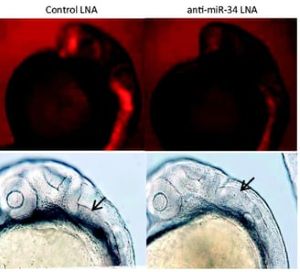
- Partial loss of these inherited RNAs lead to brain developmental defects.
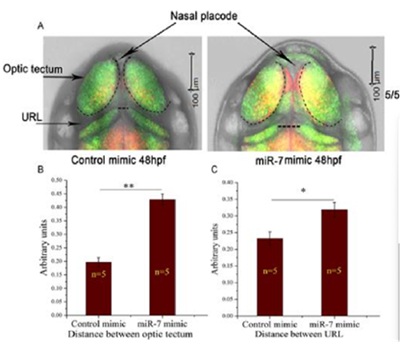
Gene Regulation in Neurons
Understanding how non-coding RNAs regulate gene expression in the brain and how their dysregulation linked with neurological disorders? We are now studying individual non-coding RNAs, perturbing their in vivo levels and monitoring the effect on neuron development, synaptic function and gene expression.
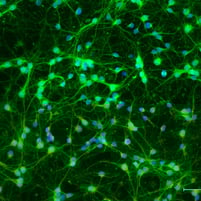
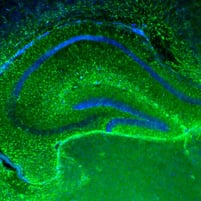
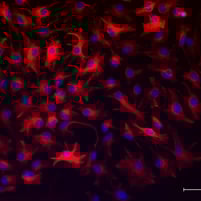
Polyglutamine toxicity
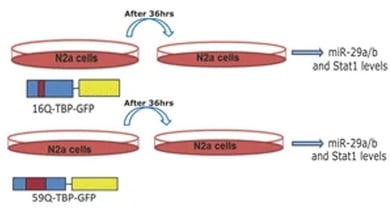
The TATA binding protein (TBP) is a highly conserved, ubiquitously expressed General Transcription Factor which participates in expression of almost every eukaryotic gene. In humans, the TBP gene carries a CAG triplet repeat that codes for a polyglutamine stretch. Expansion of this repeat can lead to an aggregation prone TBP and neuronal cell death eventually leading to a late-onset neurodegenerative disease called Spinocerebellar Ataxia17. Although rare in occurrence, this is a member of the larger group of polyglutamine diseases which share some features like anticipation, increased severity with longer repeats and a dominant negative type of inhertiance.
We have shown that the
- miR29a/b is downregulated in polyQ-TBP expressing cells.
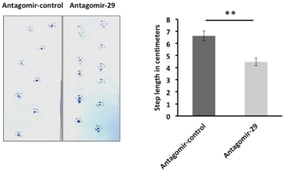
- Knockdown of miR-29a/b is sufficient to cause neuronal cell death and ataxia like symptoms in mice.
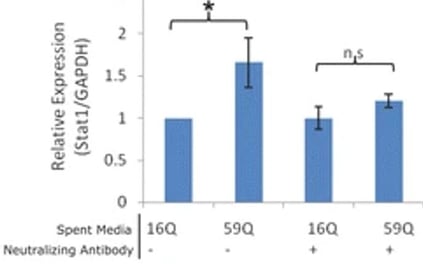
- Stat1 and other IFN-gamma induced genes are upregulated in polyQ-TBP expressing cells.
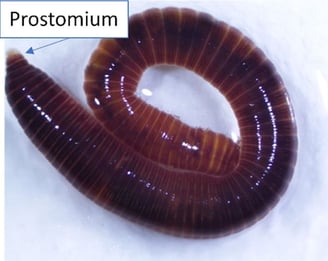
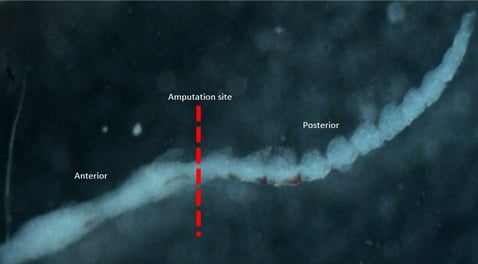
Earthworm Regeneration
The vermicomposting earthworm, Eisenia fetida regenerates its body after amputation.What unique transcription factors and gene regulatory networks allow it to regenerate its nerves after injury? Can these factors be harnessed to promote regeneration in mammals?