Minister lays foundation for cGMP facility, dedicates Central Facility for Recombinant Cells & Sensors and inaugurates the Science Day
Since the Government of India has liberalised the domain of nuclear medicine, national research and development institutes like BRIC-RGCB should look for interdisciplinary collaborations with private sector, said Dr Jitendra Singh, Minister of State (Independent Charge) for the Ministry of Science and Technology and Minister of State in the Prime Minister's Office, here today.
Dr Singh was speaking after laying the foundation stone for the state-of-the-art current Good Manufacturing Practice (cGMP) facility at the Akkulam campus of Biotechnology Research and Innovation Centre-Rajiv Gandhi Centre for Biotechnology (BRIC-RGCB) here.
Dr Singh also dedicated the National Facility for Recombinant Cells & Sensors, a crucial advancement in biotechnology research and development, on the occasion. Besides, the Minister inaugurated the annual Science Day programme at the campus.
"There is plenty of scope in nuclear medicine research for collaborations. BRIC-RGCB can partner with other institutes in the country, including private partners. We can integrate private sector and other partners as nuclear medical mission is opened to them as well," Dr Singh noted.
The Minister said in the last one decade, there has been a massive push and prioritisation of all the science domains and biotechnology in particular in the country.
Dr Singh noted that India is of the few countries to come out with a dedicated and exclusive biotechnology policy called 'BioE3 (Biotechnology for Economy, Environment, and Employment) Policy'.
Announcement of Biopharma SHAKTI Mission in the new budget is an indication that the policymakers are aware that the economy of the world is going to be bio-driven. This is going to be a paradigm for other sectors as well to shift to new domains like green cycling, regeneration and circular economy, he said, adding allthese are going to be the new determinantsof any nation's economy.
On BRIC-RGCB's strides, Dr Singh said its researchers have made a name for themselves in molecular biology, disease biology, genomic and cancer research. The institution has attracted researchers and students from across the country in various streams including sequencing, bioinformatics and interdisciplinary collaborations, cancer research.
At the function, the Minister released the National Science Day book, titled 'Quantum Physics: One Hundred Magical Years,' authored by Dr Sivakumar of AIMS, Kochi.
Dr Rajesh Gokhale, Secretary, Department of Biotechnology and DG BRIC, who presided over the function, notedthat biotechnical system is going to be the game changer for entire country's progress.
Dr Gokhale said the BioE3 Policy 2024 reflected the strategic vision of the Government of India as it encompasses six thematic sectors including bio-manufacturing.
Lauding BRIC-RGCB's contributions, he said the government has launched HPV vaccination drive based on some of the data generated by the institution.
In her welcome address, Dr Jyoti Logani, DBT Nodal Officer for BRIC-RGCB, said among other significant achievements, BRIC-RGCB stands out as a model institution contributing to national health initiatives for the past 35 years.
Dr T R Santhosh Kumar, Director, Additional Charge, BRIC-RGCB, said the collection in the National Facility for Recombinant Cells & Sensorshas reached around 600 - 700 different types of stable cells covering many of the cancer targets.
"With this number, BRIC-RGCB has become one of the best global resource centres for such innovative tools. cGMP facility aims to generate cost-effective models to support cell and gene therapy solutions so that such new generation treatment will be cost-effective to many,' he added.
Dr Asha Nair, Dean Research Administration, BRIC-RGCB, proposed a vote of thanks.
Minister to lay the foundation for cGMP facility, dedicate Central Facility for Recombinant Cells & Sensors, and inaugurate the Science Day
Dr Jitendra Singh, the Minister of State (Independent Charge) for the Ministry of Science and Technology and Minister of State in the Prime Minister's Office, will visit the Biotechnology Research and Innovation Centre (BRIC) at the Rajiv Gandhi Centre for Biotechnology (RGCB) here on February 28.
During his visit, the Hon Minister will perform the ceremonial laying of the foundation stone for the state-of-the-art current Good Manufacturing Practice (cGMP) facility.
Additionally, he will dedicate the Central Facility for Recombinant Cells & Sensors, a crucial advancement in biotechnology research and development.
The visit will also include the inauguration of the annual Science Day programme, which will take place at the Akkulam Campus of the BRIC-RGCB from 2:00 PM to 3:30 PM.
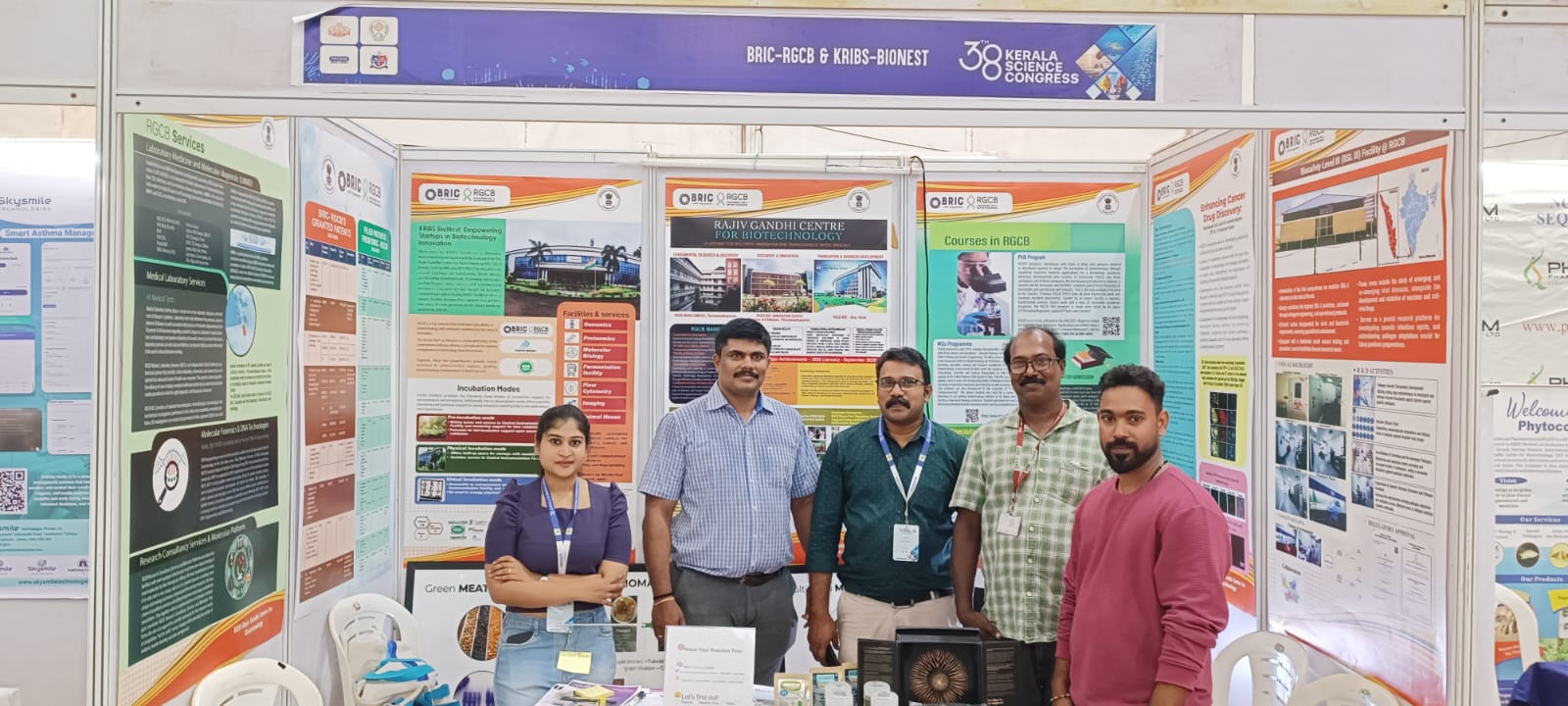
Event detailsBRIC-RGCB and our Bioincubation center KRIBS-BioNest are participating in the National Science Expo organized as a part of the 38th Kerala Science Congress from January 30 to February 2nd at St. Albert's Higher Secondary School, Ernakulam.
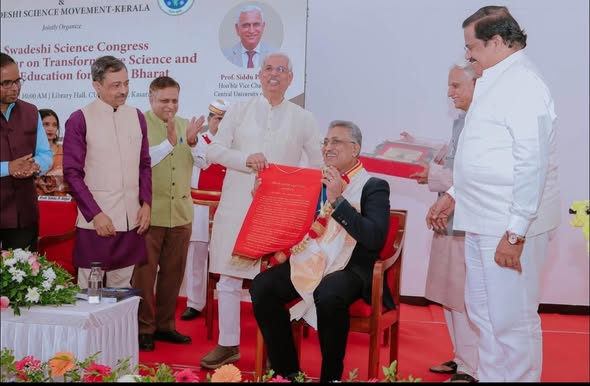
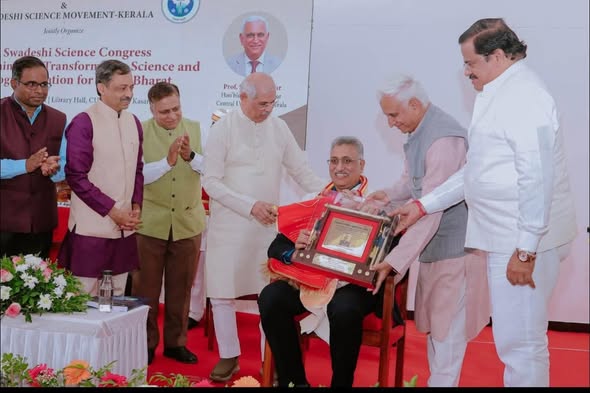
The Swadeshi Sastra Puraskar was conferred to Professor Chandrabhas Narayana, Former Director of BRIC-RGCB. Hon'ble Governor of Kerala, Shri Rajendra Vishwanath Arlekar, presented the Swadeshi Sastra Puraskar, a prestigious award instituted by the Swadeshi Science Movement-Kerala to recognise eminent scientists from Kerala for their outstanding contributions to science, research, and national development, during the inaugural function of the 32nd Swadeshi Science Congress and the National Seminar on "Transformative Science and Technology Education for Viksit Bharat" at the Central University of Kerala.
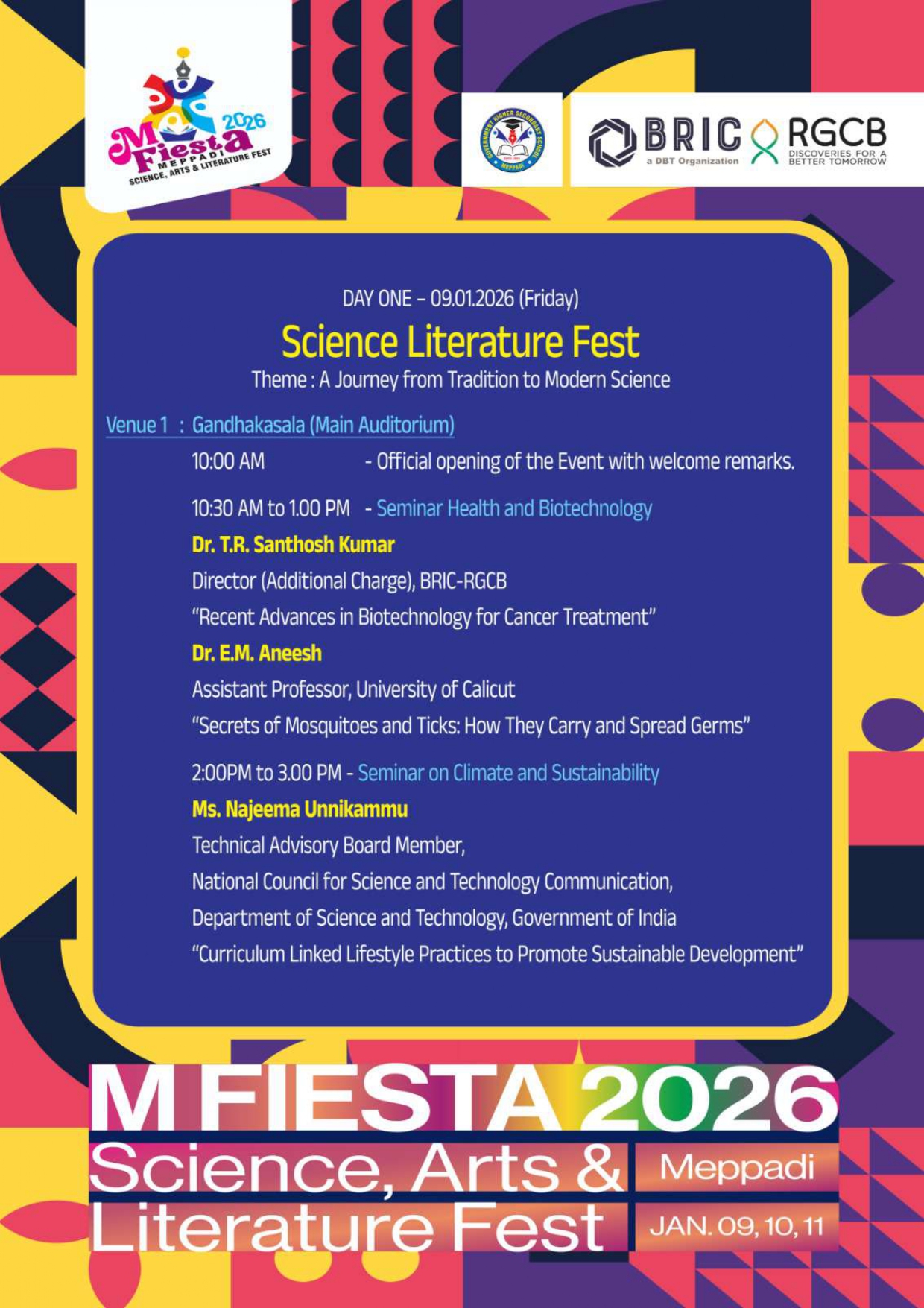
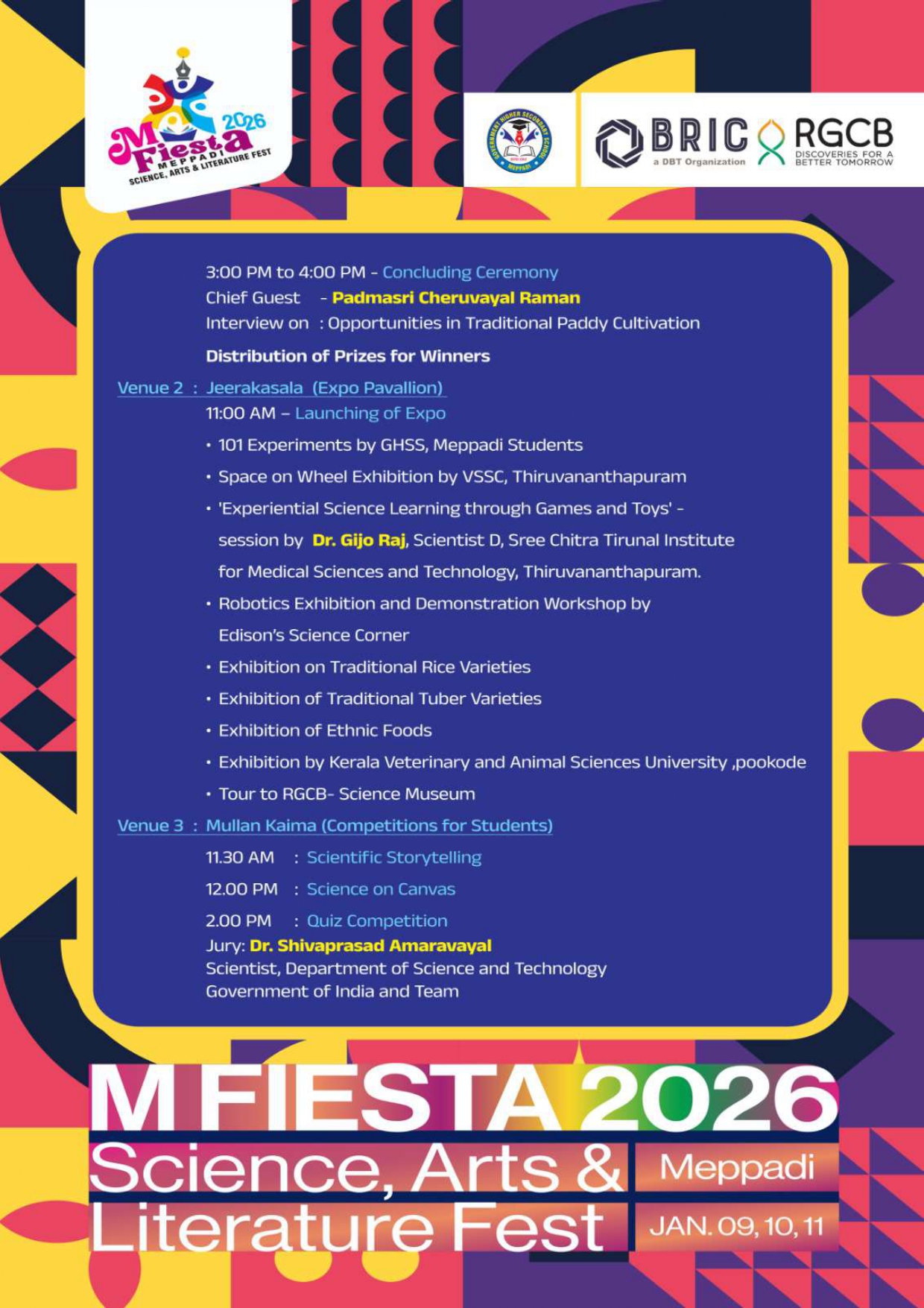
Science Literature Fest at GHSS Meppadi on Jan 9th: GHSS Meppadi, in partnership with BRIC-RGCB, will host a Science Literature Fest (M-FIESTA) on January 9, 2026. This event, themed "A Journey from Tradition to Modern Science," will feature seminars on biotechnology and climate change, including talks by Dr. T.R. Santhosh Kumar, Director (Additional Charge), BRIC-RGCB. Exhibitions will showcase Space, Robotics, and Traditional crops (Rice and Tuber varieties), alongside a "101 Live Experiments" by GHSS Meppadi students. Student competitions in storytelling, drawings, and quizzes are planned. The festival concludes with a prize distribution and cultural programs, fostering scientific curiosity and celebrating traditional knowledge.
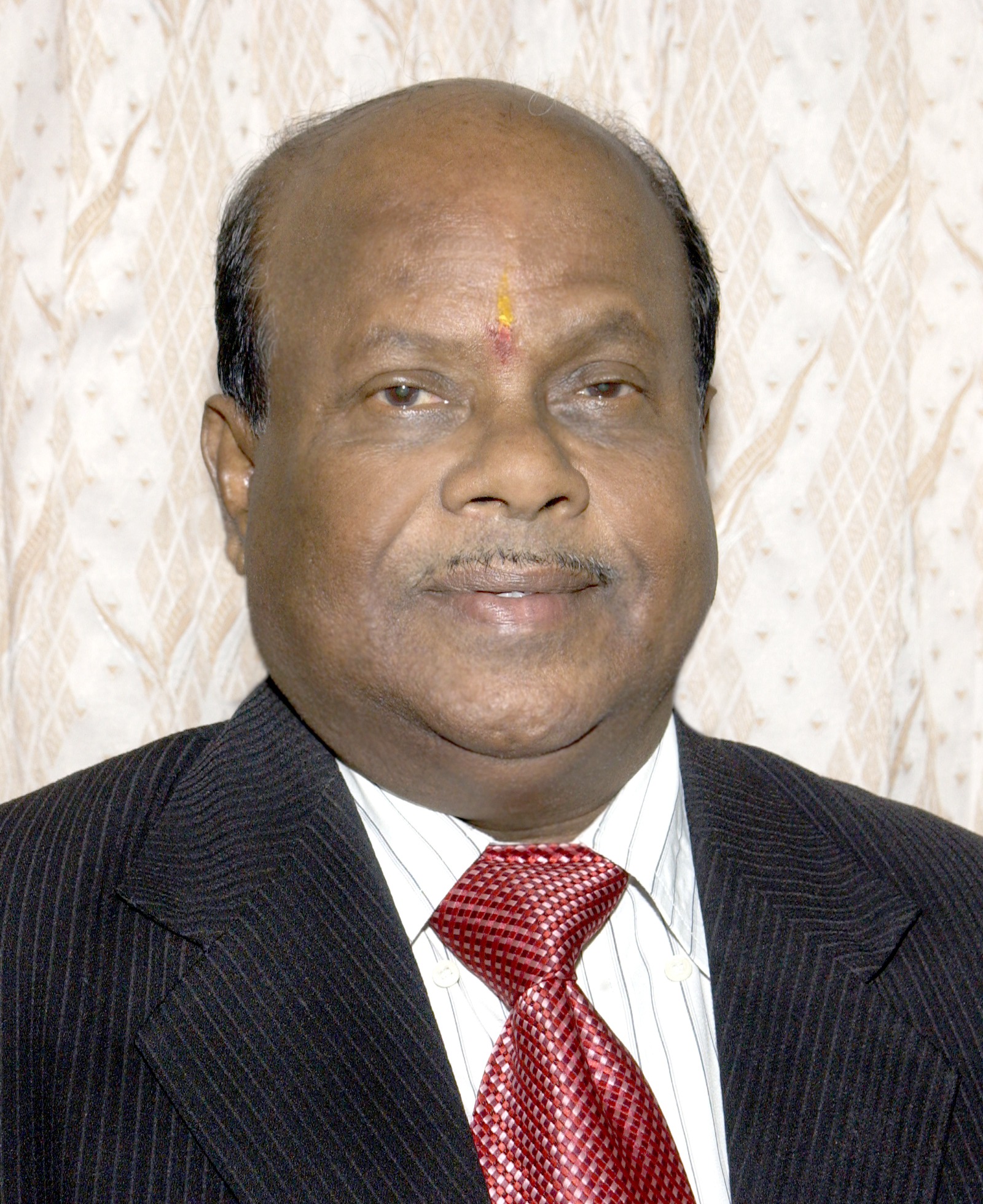
BRIC-RGCB condoled the death of Dr. P Pushpangadan, Former Director of RGCB and a Padma Shri awardee. He is known for his contribution to plant sciences, especially in Ethnopharmacology research. We extend our deepest condolences to his family.
In a major endorsement of its capabilities, Rajiv Gandhi Centre for Biotechnology (BRIC-RGCB) has been selected as one of the four national Next- Generation Sequencing (NGS) hubs for the Metagenomic Syndromic Surveillance Programme under the National One Health Mission initiative. The programme aims to address the long-standing challenge of undiagnosed acute febrile illness, encephalitis, diarrhoeal diseases, and respiratory infections. It also integrates clinical syndromic screening with unbiased metagenomic sequencing, enabling the simultaneous detection of known, rare, and novel pathogens that traditional diagnostic pathways often miss. The project will be carried outin collaboration with the Centre for Cellular and Molecular Biology (CCMB), Tata Institute for Genetics and Society (TIGS), Gujarat Biotechnology Research Centre (GBRC), ICMR-NIE Chennai, and ICMR Headquarters. As the designated NGS hub for acute febrile illness (AFI), RGCB will contribute through its advanced sequencing and data-analysis capabilities housed within the institute's Bio Safety Level-3 (BSL-3) facility, RGCB Director In-Charge Dr T R Santhosh Kumar said. Leveraging its expertise in viral genomics, host-pathogen interactions, and high- throughput sequencing, RGCB will analyze thousands of samples from national surveillance sites to identify elusive etiological agents behind some of India's most common yet unresolved clinical conditions, said Dr Kumar. This integrated approach will generate a real-time genomic picture of circulating pathogens and antimicrobial resistance patterns, helping national bodies detect emerging threats and respond more effectively. Dr. Rajesh Chandramohanadas, senior scientist in the Division of Pathogen Biology and faculty-in-charge of the BSL-3 Lab, RGCB,will lead the project. Through this nationwide consortium, the initiative will generate transformative insights into India's infectious disease landscape, strengthen epidemic intelligence, and support the development of future indigenous diagnostic panels tailored to Indian pathogen diversity. It marks a major step toward building a unified One Health surveillance framework that connects human, animal, and environmental health, enhancing India's preparedness against future outbreaks and pandemics.
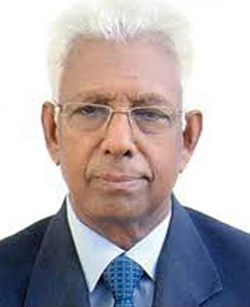
BRIC-RGCB condoled the death of Professor V K Damodaran, the first Controller of Administration at RGCB. A science writer and communicator with more than twenty books to his credit, Prof Damodaran has a long academic career behind him and has led several research projects and programmes. He was also the founder-director of Energy Management Centre-Kerala. He was the former Director of the Department of Science and Technology and Environment.
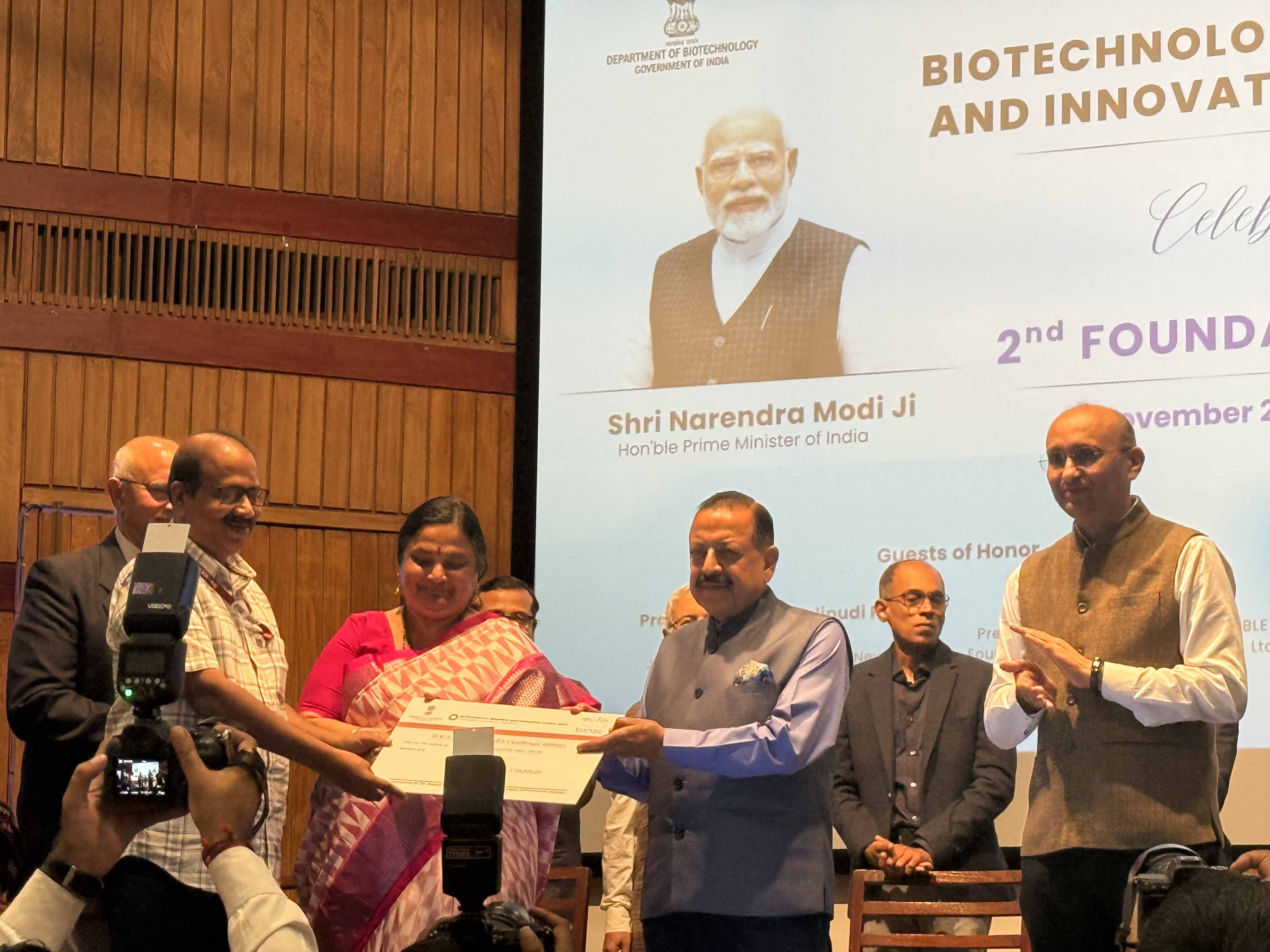
The Bio E3 DESIGN proposal submitted by Ms. Aishwarya Iyer, MSc 1st year student, was selected among the top 10 proposals by BRIC. Over 500 proposals were submitted from different iBRIC institutions. This was announced today during the 2nd BRIC foundation day celebration at BRIC-NII, New Delhi. Dr T R Santhosh Kumar, Director (Additional Charge), received the cash prize of Rs.10,000 from Dr Jitendra Singh (Hon Minister, Science and Technology, Government of India) on behalf of Aishwarya.
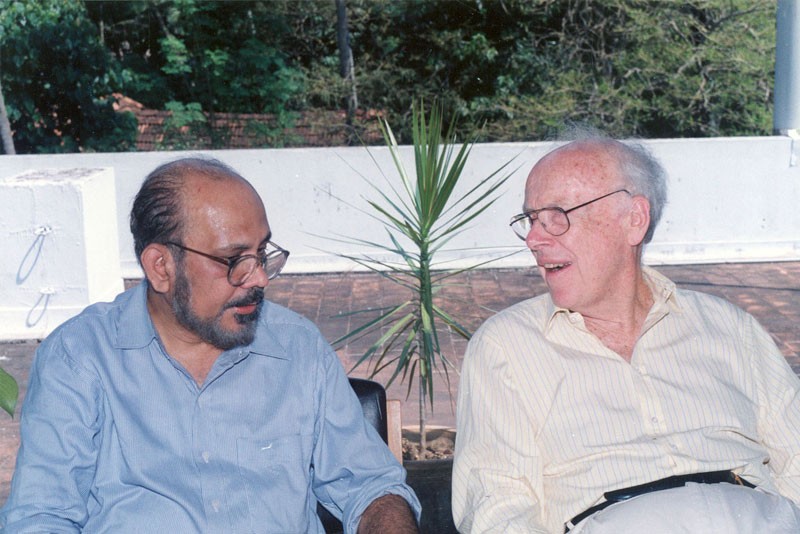
Professor James Watson, a Nobel prize winner and former president of CSHL, USA, passed away at the age of 97 after a brief illness. He made one of the most significant breakthroughs in science by solving the structure of DNA, which provided the foundation for the Biotechnology revolution of the late 20th century. He was invited to RGCB by the founder Director, Late Prof M R Das, and visited RGCB on 10-11 th January 1999. He also delivered a public lecture on "The implications of classic discovery of the structure of DNA and the importance of biological information transfer starting from the language of DNA."
In a major breakthrough, researchers at RGCB-BRIC have successfully created fully functional 'mirror-image' nanopores- tiny tunnel-like structures made from synthetic peptides. The team of researchers, led by Faculty scientist Dr Mahendran KR, developed these new pores, called DpPorA, which mimic natural proteins but are built from mirror-image peptides, meaning their structures are flipped like a reflection in a mirror. Computer simulations confirmed that these mirror-image pores are exact structural opposites of the natural versions and also make them more stable and selective than their natural counterparts.
"We tuned their design to create even better, sophisticated pores that allow specific molecules to pass through, while blocking others. Using these advanced nanopores, we could detect a wide variety of biomolecules from small sugar rings to full-length proteins. It opens the door for early detection of diseases like cancer and personalised diagnostics," explained Dr Mahendran.
The researchers also tested how these peptides interact with living cells. Remarkably, they found that the mirror molecules selectively damaged cancer cells while leaving healthy cells unharmed. This suggests these synthetic pores could potentially be developed into new cancer therapies. In short, this innovative work combines cutting-edge chemistry, synthetic nanotechnology, and cancer biology to create powerful tools that could transform both diagnostics and nanobiotechnology.
Hailing the breakthrough as significant, RGCB Director Prof. Chandrabhas Narayana said it will greatly aid in wound healing, muscle repair, and immune function. More importantly, it will help in early detection of diseases and customised diagnostics. It has huge potential to develop into new cancer treatments without harming healthy cells, as well as for neurodegenerative conditions such as Alzheimers and Parkinson's disease.
The work was carried out in collaboration with Dr. Harsha Bajaj s group (CSIR NIIST, Thiruvananthapuram), Dr. Ulrich Kleinekath fer s group (Constructor University, Germany), and Dr. Radhika Nair s group (Centre for Human Genetics, Bengaluru).
The research study was supported by grants from the Department of Biotechnology, Department of Science and Technology, Indian Council of Medical Research (ICMR), and Council of Scientific & Industrial Research (CSIR), Govt. of India.
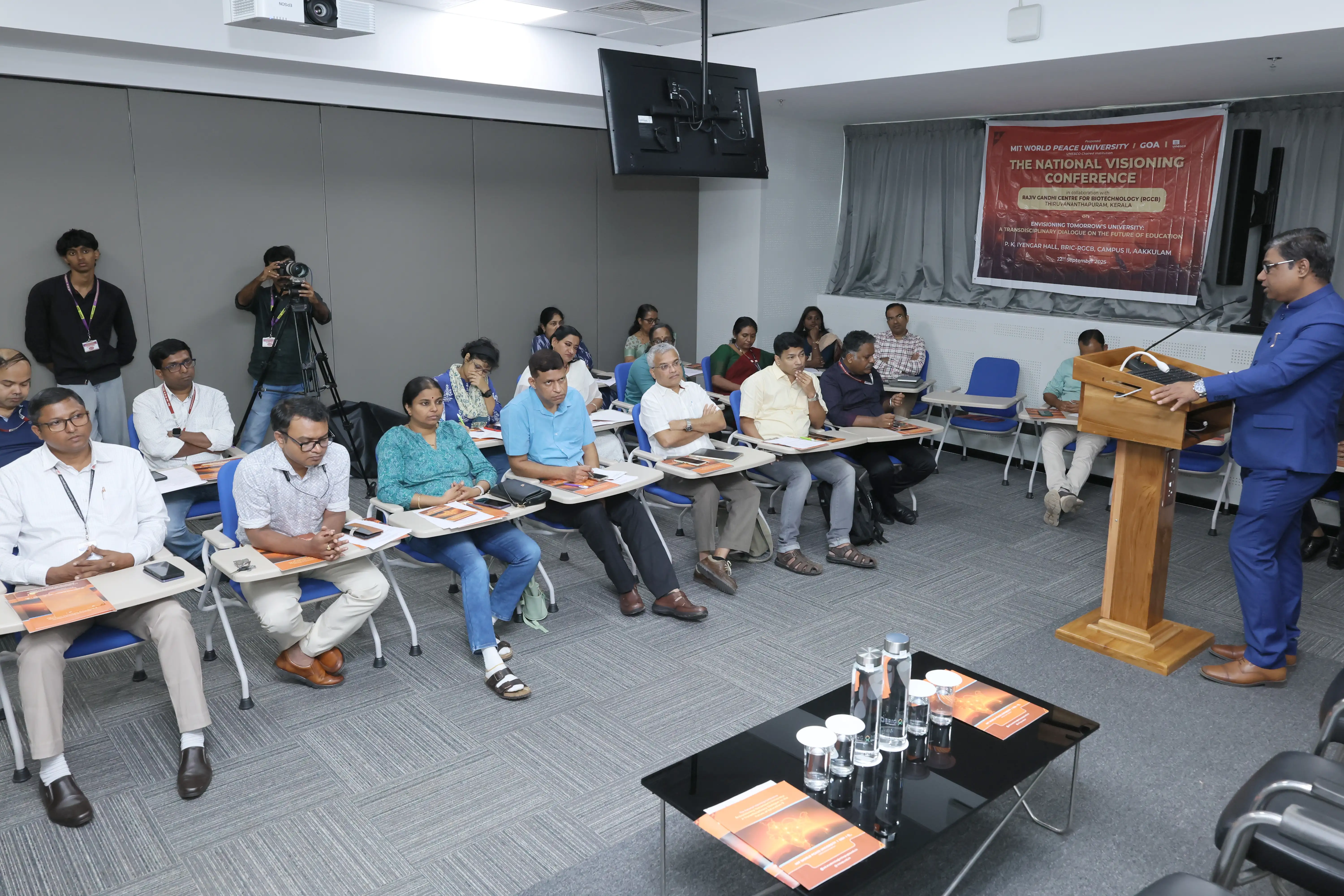
MIT World Peace University, Goa (a UNESCO-chaired institution), in collaboration with BRIC-RGCB, Thiruvananthapuram, has organized a National Visioning Conference on the theme "Envisioning Tomorrow's University: A Transdisciplinary Dialogue on the Future of Education." Faculty/Scientists from RGCB, IISER-TVM, IIST, VSSC, Government Ayurveda Medical College, Government Homeopathy Medical College, Different Colleges and Teaching Departments of the University of Kerala, and Government Engineering College, Barton Hill attended the program. Prof. Arvind A. Natu, Chairperson, BoG, IISER-TVM, inaugurated the conference. Professor Chandrabhas Narayana, Director, RGCB, also addressed the gathering and shared his vision. Dr Ganesh Kakandikar from MIT-WPU and Dr K B Harikumar from RGCB coordinated the function
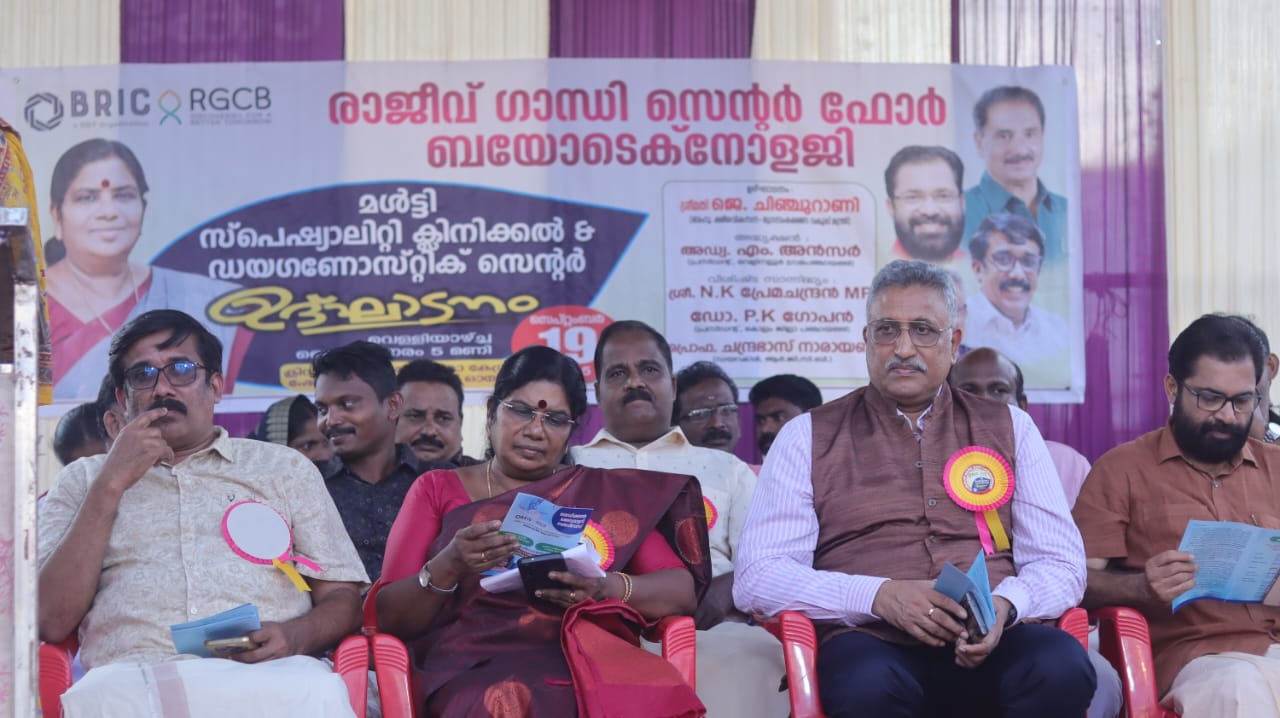
In a big boost to health care in animal husbandry sector, Rajiv Gandhi Centre for Biotechnology (BRIC-RGCB) has opened its first Medical Laboratory services unit at Oyoor in Kollam district with state-of-the-art facilities to provide a wide range of veterinary clinical services.
The focus of the multi-speciality Diagnaostic Centre, opened by Kerala Minister for Animal Husbandry and Dairy Development Smt J Chinchurani in the presence of RGCB Director Prof Chandrabhas Narayana on Friday, is on veterinary clinical services. However, the laboratory will also provide diagnostic services to local community at affordable rates.
The unit was set up in association with the Animal Husbandry Department, Government of Kerala, at a building provided by Velinelloor Village Panchayat.
"This facility comes as a big support to the animal husbandry sector in the state, especially for the livestock and poultry activities. We will open more such units in different parts of the state," Prof Narayana said.
The unit will, in due course, be developed into a nodal centre for research activities in the animal husbandry and agriculture sector, he said.
The unit is equipped with most modern equipment for a range of veterinary clinical tests and quick delivery of results.
The service of the unit will be made available to the entire Kollam district, for which RGCB will be starting collection and reporting centres in government veterinary hospitals and dispensaries.
In the next phase of the project, RGCB's research wing will make available its services to prevent outbreak of diseases afflicting livestock and scientific precautions needed to ward off such eventualities. This will be done with the cooperation of the Animal Husbandry Department.
RBCB is already collaborating with various projects of Animal Husbandry Department and the Kerala Livestock Development Board aimed at augmenting production of milk, egg and meat. It is also working on research projects for increasing the shelf life of the dairy and poultry product, besides their value addition.
Referring to the existing services supporting public health services, Prof Narayana said RGCB, in association with the State Health and Family Welfare Department, has set up medical laboratory services units in all government hospitals, including the Government Medical College Hospital, in Thiruvananthapuram district. Also, such facilities are available in General Hospital at Pala and other places in Kottayam district.
This service functions in hub-and-spoke model with the main hospitals having laboratories and CHCs, FHCs and PHCs serving as collection and reporting centres. This service is available in as many as 300 centres in different parts of the state. The Diagnostic and Research Laboratory of RGCB in Cochin Cancer Research Centre at Kalamassery is in its final stages of completion. Besides providing clinical services to patients, this facility will also serve as a cancer research centre. As per the agreement with the State Government, a 30,000 sq ft space has been made available to RGCB. The laboratory being developed will be a model for the entire country.
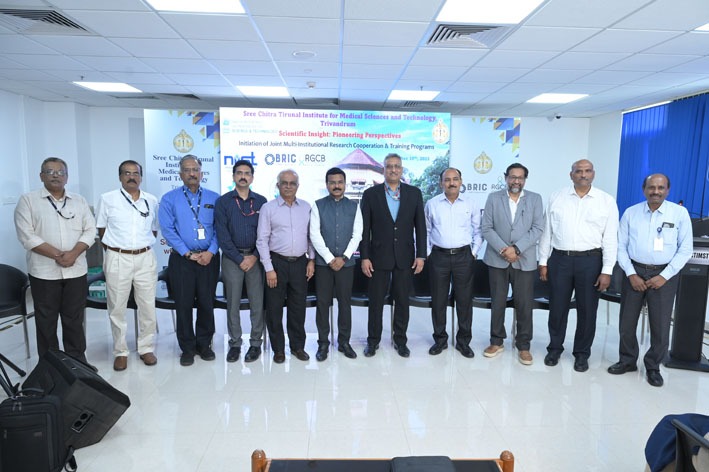
On September 10, 2025, Eight premier national institutions
in Thiruvananthapuram have agreed to a formal collaboration
in SCTIMST. This includes BRIC-RGCB, IISER, NCESS, CTCRI,
CSIR-NIIST, IIST, C-DAC, and SCTIMST. A special symposium
and panel discussion on "Scientific insight: Pioneering
perspectives" was also conducted today.
This
general MoU aims to foster mutual cooperation through the
collaborative research programs, exchange of faculty and
students, etc. The initiative is designed to strengthen
interdisciplinary research, enhance academic & research
partnerships and promote innovation across scientific
domains. Professor Chandrabhas Narayana, Director,
BRIC-RGCB, attended the event along with the Directors of
other institutes. Prof. Abhay Karandikar, Secretary, DST,
was also present on the occasion.
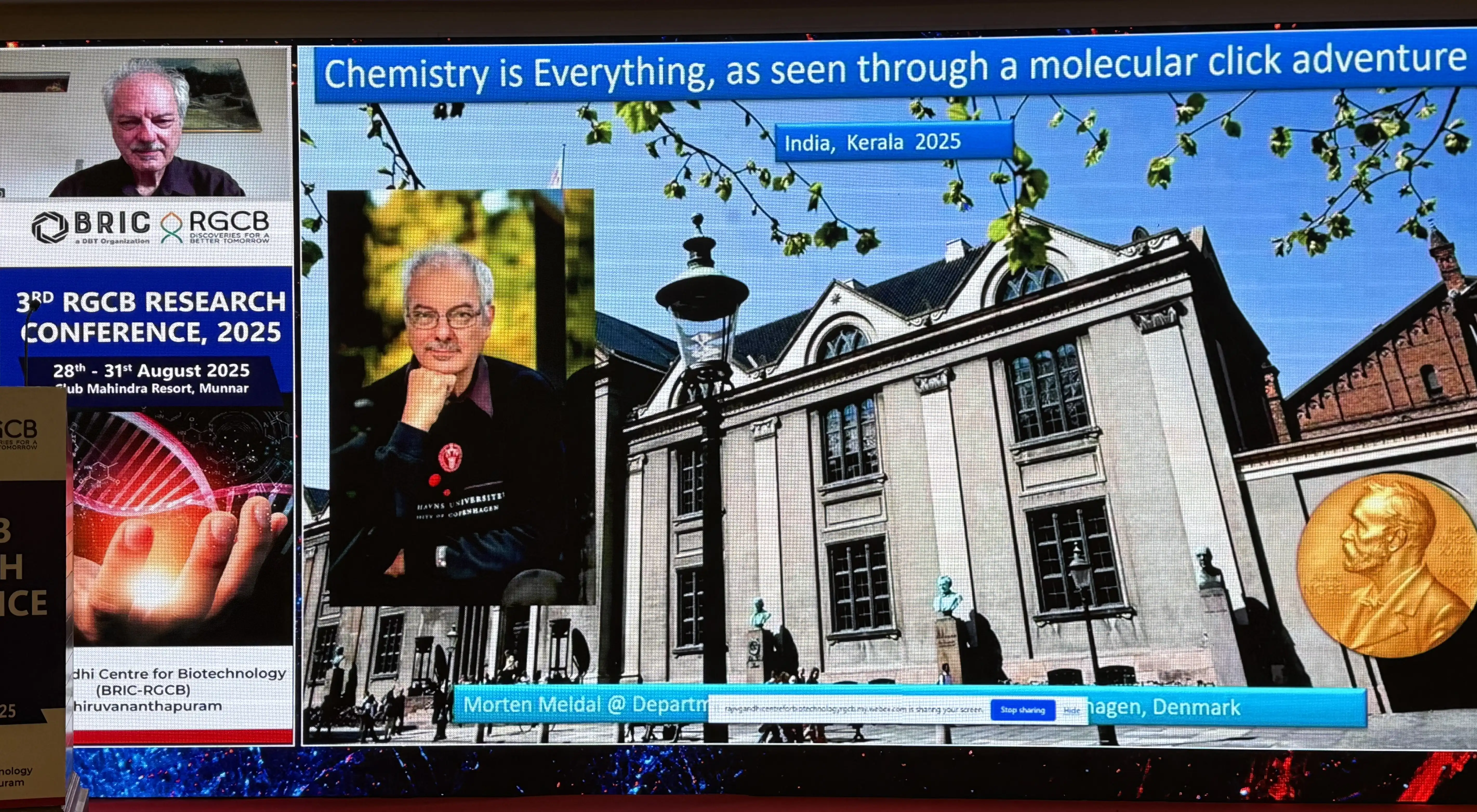
Investing in education delivers the highest return for any society aiming for progress, said Nobel laureate in Chemistry, professor Morten P Meldal. He was addressing participants during an online lecture at the third RGCB Research Conference, organised by BRIC, Rajiv Gandhi Centre for Biotechnology (RGCB), held in Munnar on Saturday.
Prof Meldal emphasised that nations such as Vietnam, Poland, Finland, and Denmark have achieved significant economic and developmental strides within a decade or two through sustained focus on educational development.
Stressing the importance of cultivating a love for learning from early childhood, Meldal advocated for making education an enjoyable experience.
"Learning should spark curiosity. Educators could begin with engaging five-minute videos for first graders that explore how things work in our environment. These can gradually evolve in complexity and length with each grade level," he suggested. He also underlined the role of education in raising awareness about global challenges.
"As academicians, it is our responsibility to inform more people about pressing issues be it the consequences of wars, climate change, pollution, or the equitable distribution of resources and wealth. This is the only way to prepare the next generation to make informed political choices and prioritise peace and sustainability."
Highlighting the importance of autonomy in achieving excellence, Meldal said, "Excellence is built on freedom, not force. It is not an individual pursuit, but a collective endeavour." The session, moderated by RGCB director Chandrabhas Narayana, was the highlight of the August 28-31 conference. Meldal, a Danish chemist, was awarded the Nobel Prize in Chemistry in 2022 for his pioneering work in click chemistry a method that enables the efficient and straightforward construction of complex molecules through simple, high-yield reactions.
The BRIC-Rajiv Gandhi Centre for Biotechnology (BRIC-RGCB)
has established a strategic partnership with Primordia Life
Sciences Pvt. Ltd. through a Technology Transfer Agreement.
This collaboration focuses on the commercialization of
innovative apoptosis detection reagents for drug discovery.
Primordia will utilize this technology to develop
affordable, real-time compatible apoptosis detection kits in
various formats, enabling multiplexing for target-specific
drug discovery.
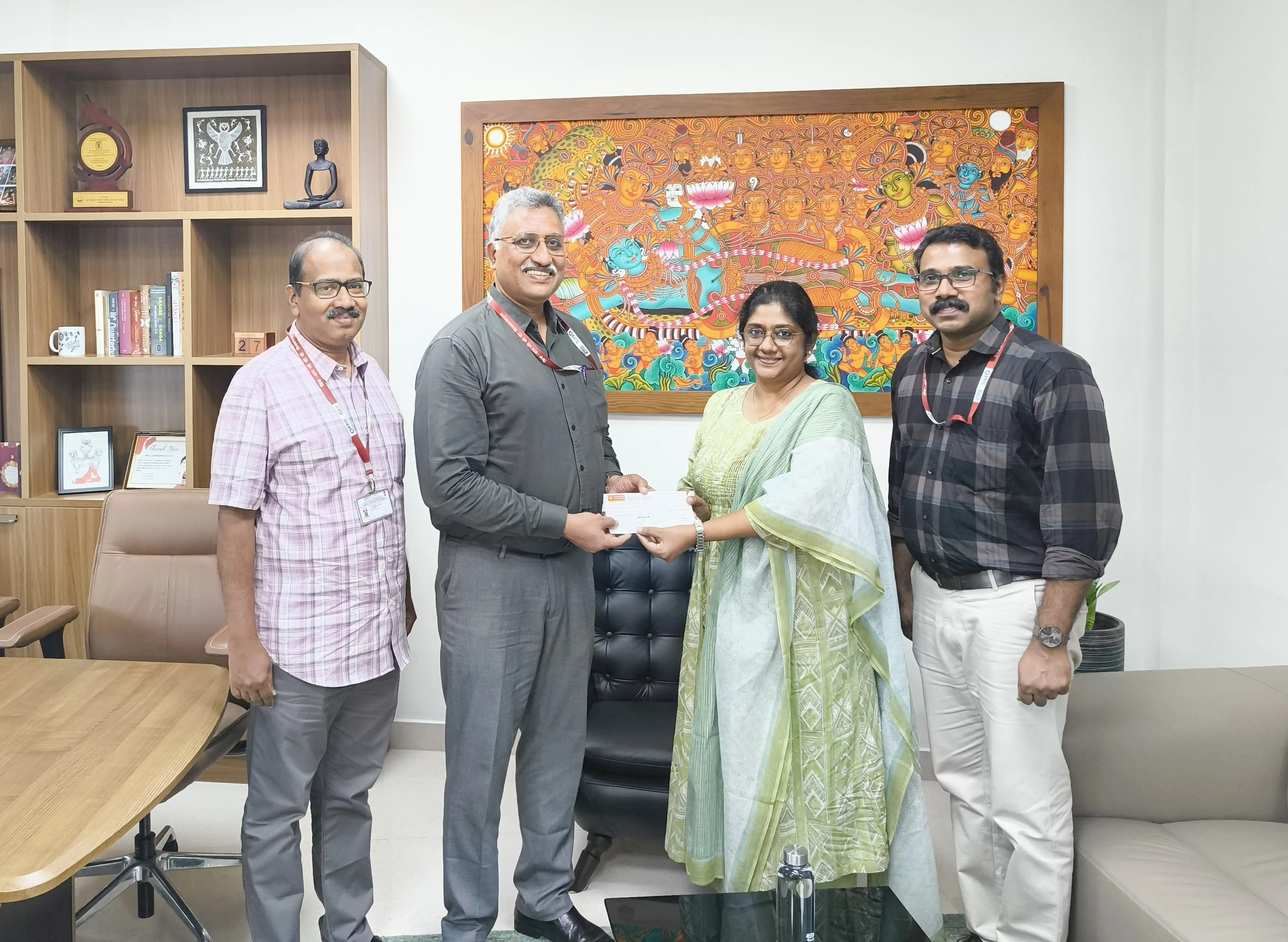
Today, BRIC-RGCB has received an
upfront payment from Primordia, marking a significant
milestone in the transfer agreement regarding recombinant
cell lines. The payment was presented to Prof. Chandrabhas
Narayana, Director of BRIC-RGCB, by Dr. Anu Yamuna Joseph,
Managing Director of Primordia.
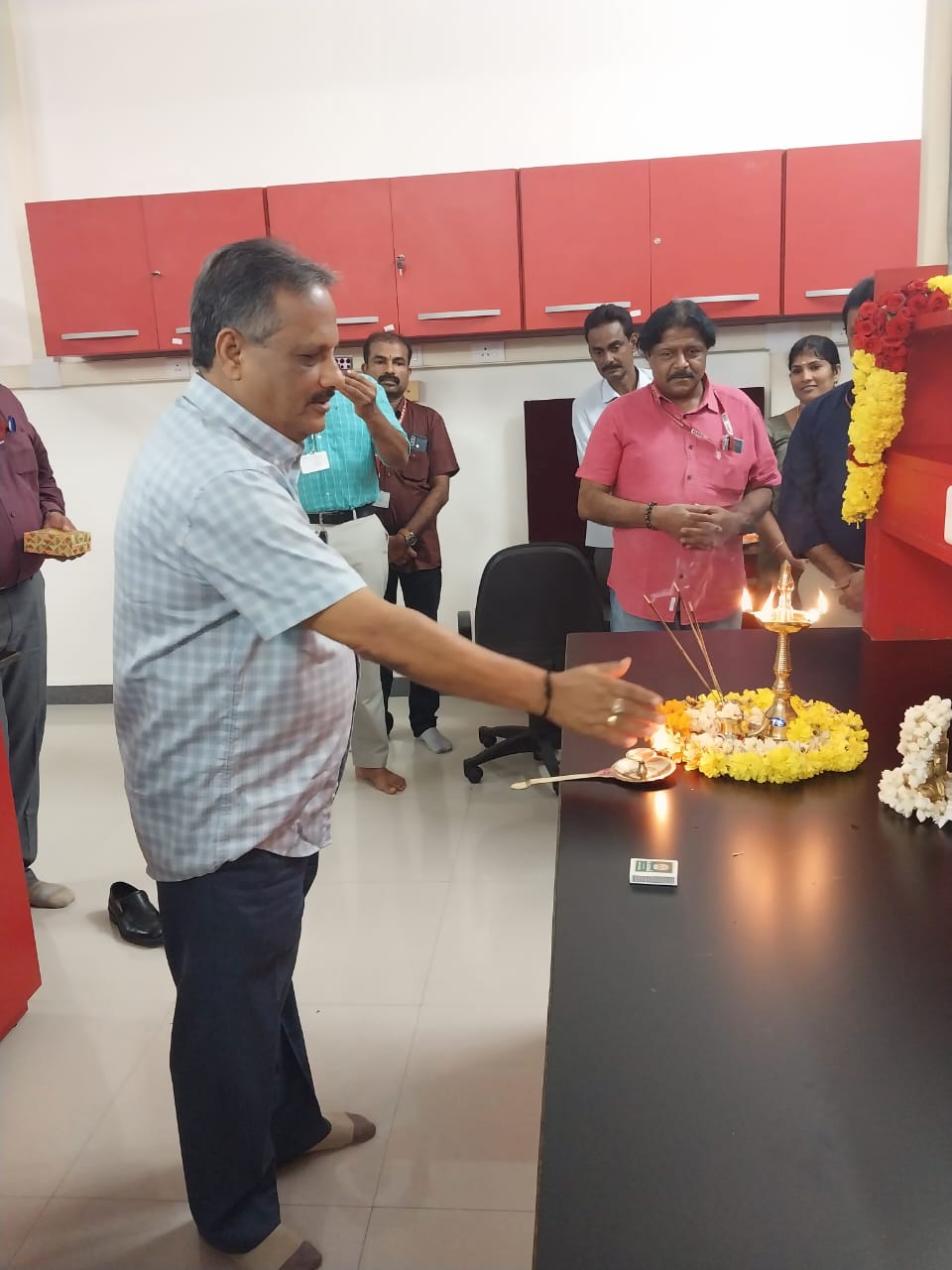
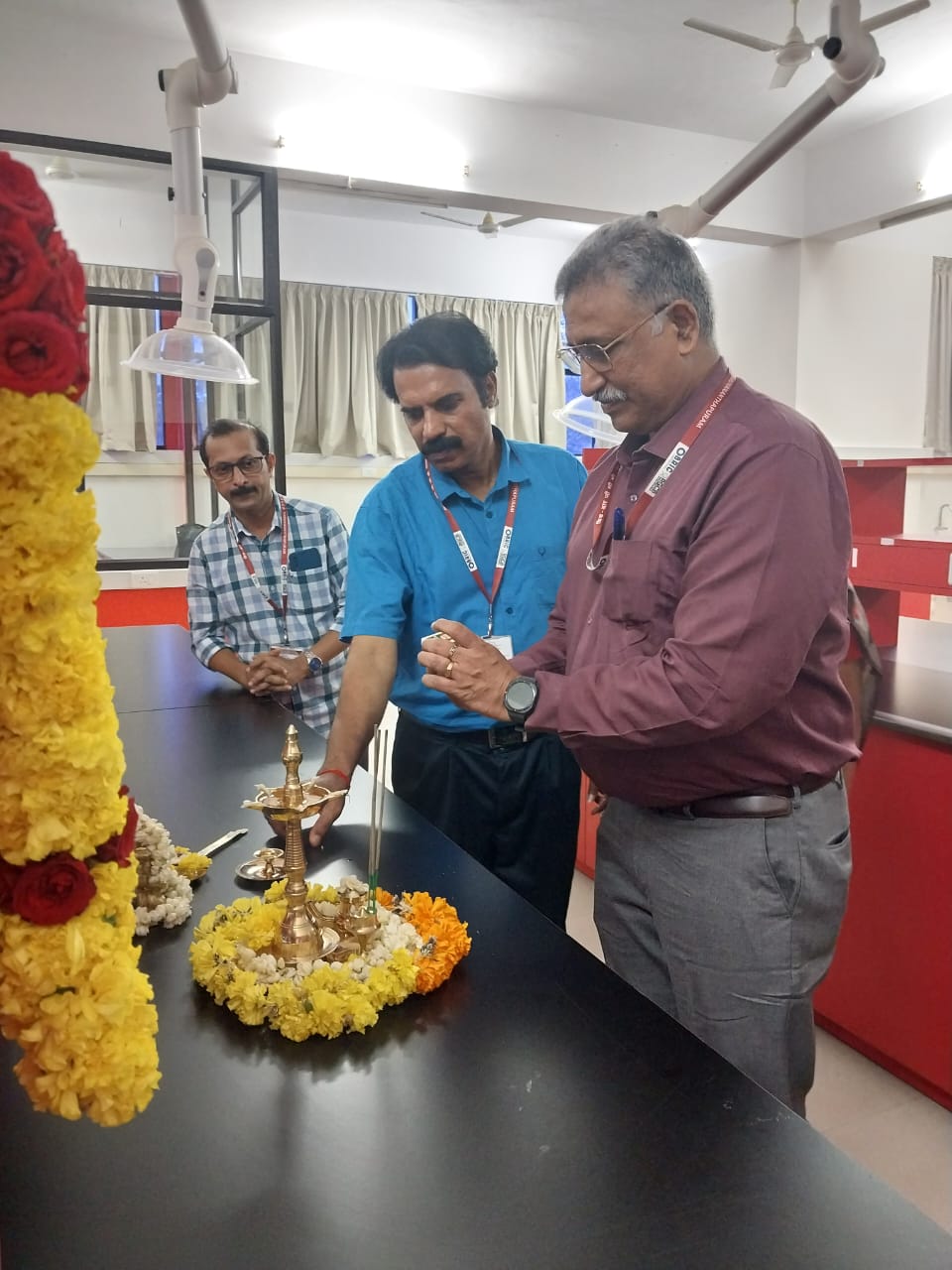
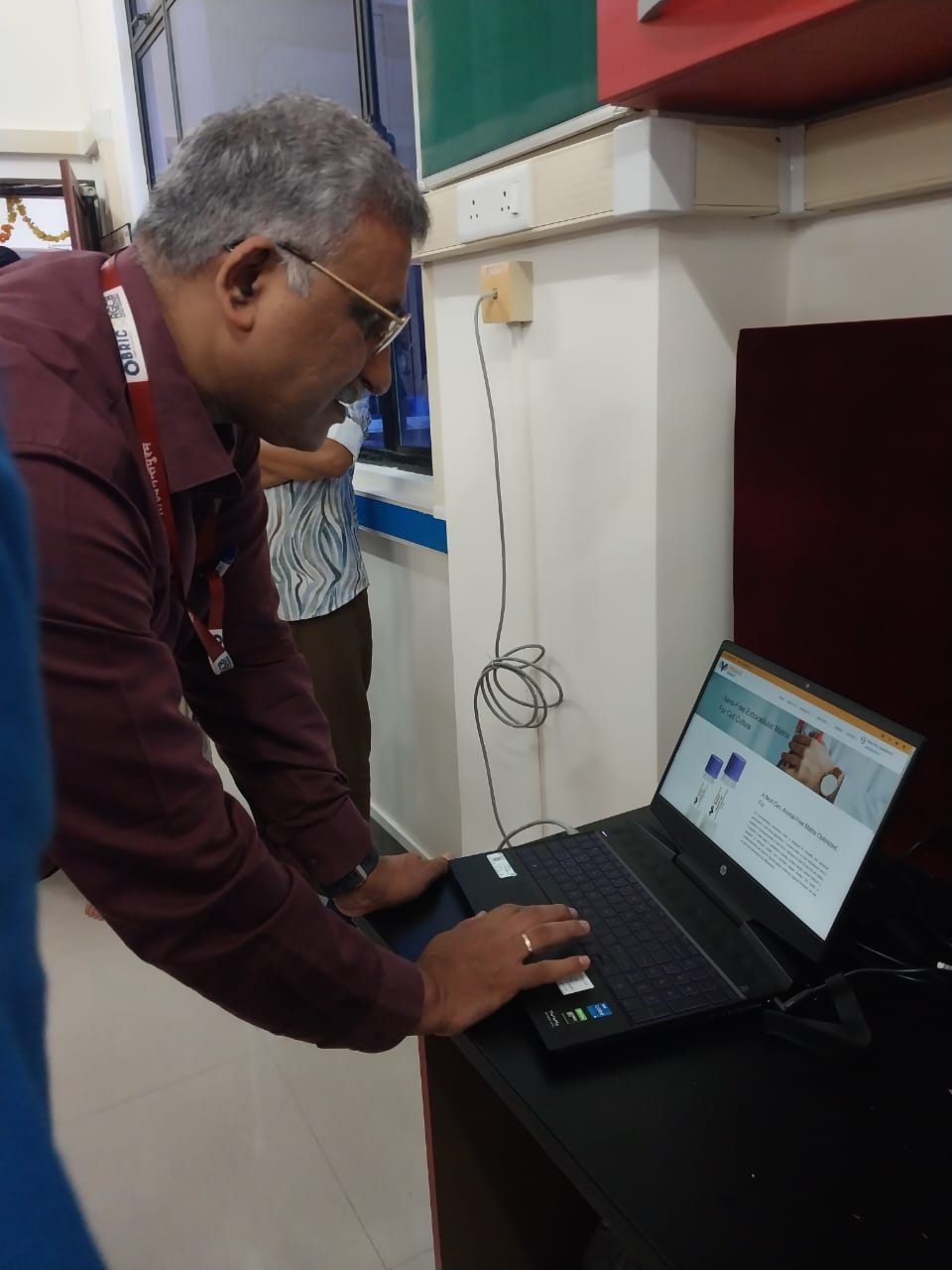
BRIC-RGCB Celebrates the Launch of VinMax Biotech Pvt. Ltd. - A Leap in Biotechnology Innovation In a significant move towards transforming innovative research into practical biotechnology solutions, BRIC-RGCB Director, Prof. Chandrabhas Narayana proudly inaugurated VinMax Biotech Pvt. Ltd., a faculty startup led by RGCB Faculty Dr. G. S. Vinodkumar. The launch event took place at the BRIC-RGCB facility located at the KINFRA Campus in Kazhakootam. The event was attended by Mr S Mohanan Nair, Chief Controller, and various stakeholders, including BRIC-RGCB faculty members, all eager to support and celebrate this milestone in biotechnology innovation at BRIC-RGCB.
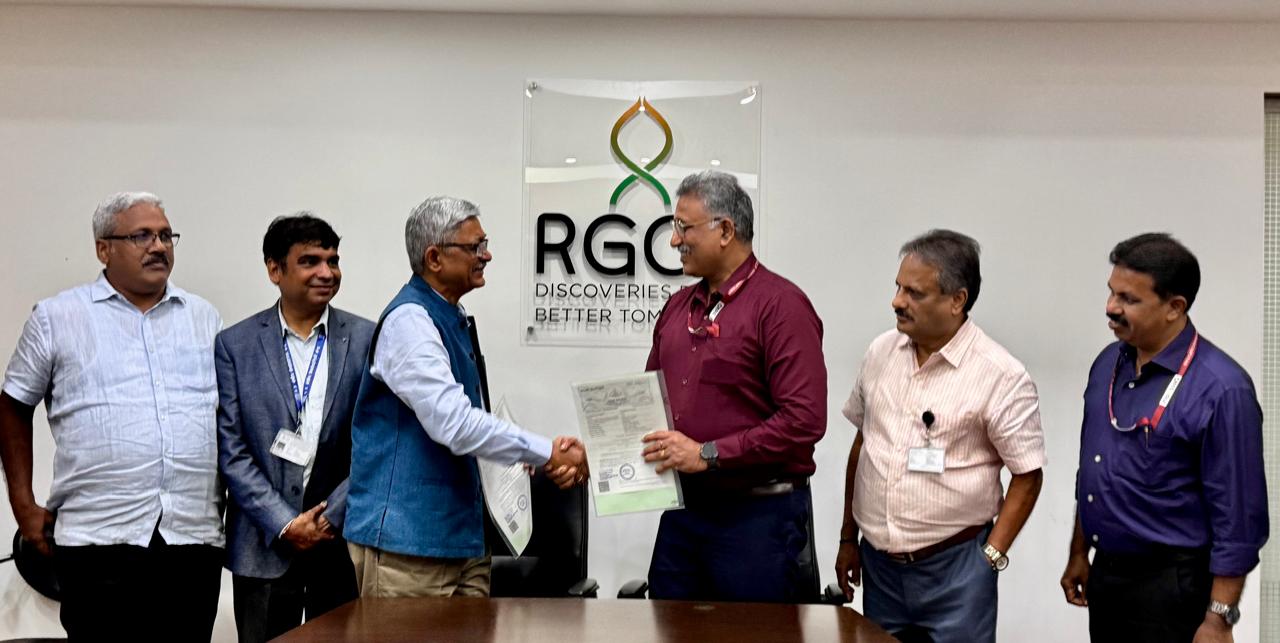
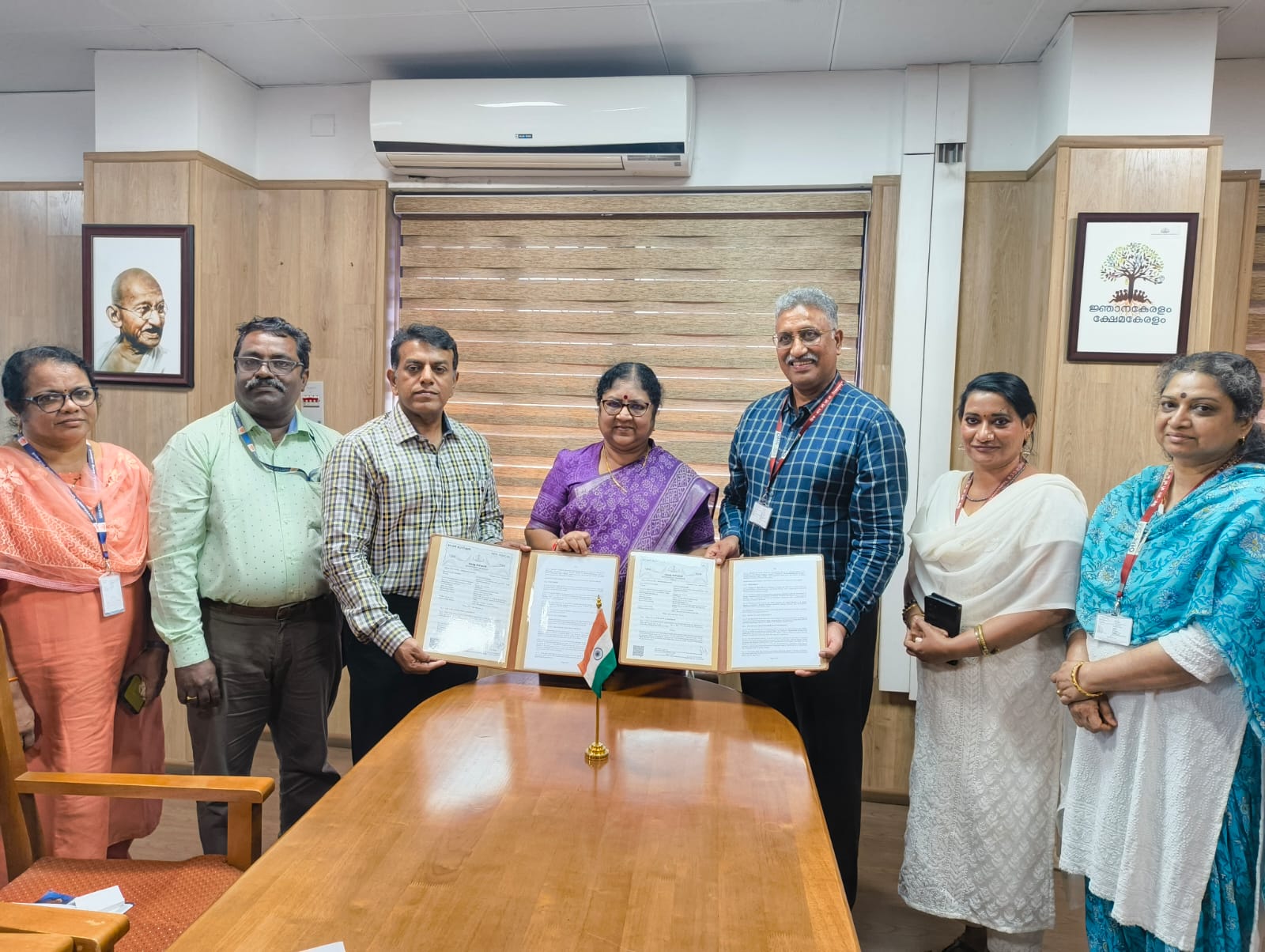
RGCB-CMLS, Thiruvananthapuram and RCB-Faridabad signed a Memorandum of Agreement on August 22, 2025 to collaborate on establishing and operating multispecialty clinical diagnostic laboratories of RGCB-CMLS in Northern India for providing diagnostic services, and for jointly setting up Skill Development Centres for training in biotechnology and allied fields. The Memorandum of Agreement was signed by Professor Chandrabhas Narayana, Director-RGCB & CMD-RGCB CMLS, and Dr. Arvind Sahu, Executive Director-RCB, at Thiruvananthapuram. Shri S Mohanan Nair, Chief Controller, RGCB & Chief Operating Officer, RGCB-CMLS was present. This was also attended by Shri Shibi Benni, Finance Officer-RGCB, Shri Sajeev R, Concurrent Auditor-RGCB and Shri Sudeep Bhar, Controller of Administration-RCB.
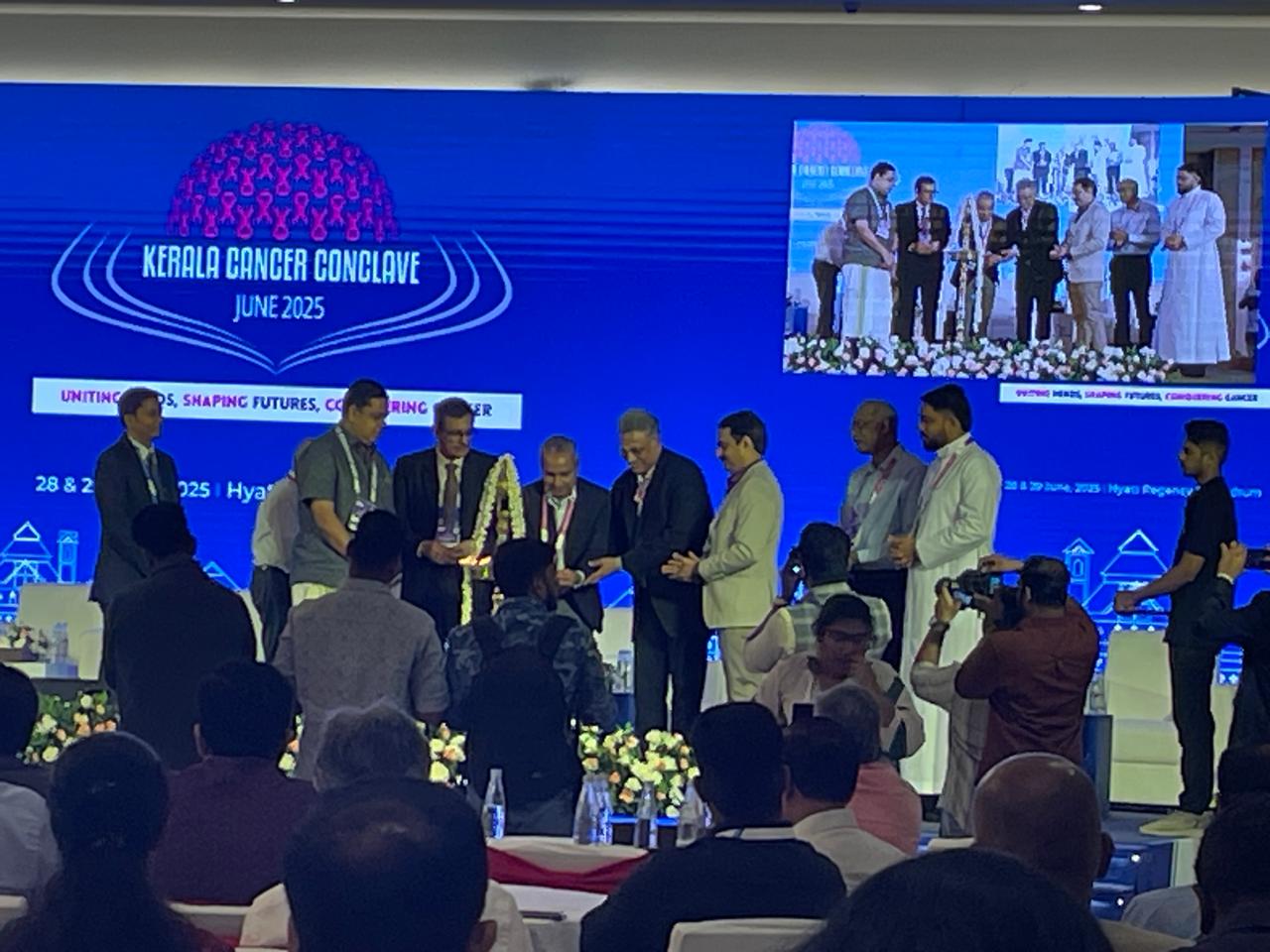
Professor Chandrabhas Narayana, Director of BRIC-RGCB, was a panelist in the panel discussion titled "Research in Kerala: What is the Missing Link?" organized as a part of Kerala Cancer Conclave on 29th June 2025 at Hyatt Regency, Thiruvananthapuram.
In a significant advancement toward fostering collaboration in biotechnology and human resource development, the Rajiv Gandhi Centre for Biotechnology (RGCB) and the Institute of Human Resources Development (IHRD) have officially signed a Memorandum of Understanding (MoU). This milestone was marked by the signatures of Prof. Chandrabhas Narayana, Director of BRIC-RGCB, and Dr. Arunkumar V A, Director of IHRD. The event was graced by the esteemed presence of Dr. R. Bindu, the Honorable Minister for Higher Education, Government of Kerala.
The MoU establishes a cooperative program between RGCB and IHRD focused on education, training, research, and development. It emphasizes the need for synergy between educational institutions and research organizations to foster innovation. Key collaborative efforts will include workshops, seminars, and joint academic programs, enhancing educational resources while adhering to ethical standards.
This partnership positions RGCB and IHRD to significantly impact biotechnology and human resource development in Kerala, nurturing future innovators and researchers.
BRIC-RGCB, in association with Vijnana Bharati (VIBHA), organized a brainstorming session on Kerala@2047 on 6th June 2025 at the Akkulam campus. The Hon'ble Governor of Kerala, H.E. Shri Rajendra Vishwanath Arlekar, was the chief guest. Dr. Shekhar C. Mande, Former DG of CSIR, presided over the function, and Shri Vivekananda Pai welcomed the gathering.
Short talks were delivered by Dr. T. R. Santhosh Kumar (Scientist G, BRIC-RGCB), Dr. C. Anandharamakrishnan (Director, CSIR-NIIST), Dr. S. Unnikrishnan Nair (Director, VSSC), Dr. G. Byju (Director, ICAR-CTCRI), Dr. N. V. Chalapathi Rao (Director, N-CESS), and Dr. Grinson George (Director, CMFRI).
In his address, Dr. T. R. Santhosh Kumar emphasized the role of the biotechnology sector in improving the GDP and outlined the newly proposed BioE3 initiative by the Department of Biotechnology.
Related Links:
Microplastic pollution has become a grim threat to water bodies globally, which needs to be monitored and analyzed constantly through the model sampling method to safeguard them from degradation, according to Dr. Anoop Krishnan, Environmental Hydrology Group Scientist at the National Centre for Earth Science Studies (NCESS).
Dr. Krishnan delivered his lecture on "Chemistry of Emerging Contaminants in Riverine Systems" at BRIC-RGCB on World Environment Day. Prof. Chandrabhas Narayana, Director of BRIC-RGCB, presided over the event.
The theme for this year's Environment Day is "Combating Plastic Pollution." Dr. Krishnan noted that microplastic levels in Kerala's rivers, including the Pamba and Periyar, have reached alarming levels due to human interventions, industrial waste, and pesticide usage.
He emphasized that NCESS is using scientific sampling processes to identify the size, structure, and degradation patterns of microplastics to explore viable mitigation methods. Microplastics, which can carry toxic heavy metals and chemicals, pose a severe health threat to aquatic life and humans.
Citing the UNEP 2023 report, he stated that global plastic production has exceeded 430 million tonnes annually, with over two-thirds becoming waste and over 139 million tonnes entering ecosystems.
Prof. Narayana urged people to reduce plastic use and adopt eco-friendly alternatives. Activities like an idea contest on zero-waste management, book release, and prize distribution were also conducted as part of the program.
India's pioneering scientific initiative, GenomeIndia, promises long-term benefits by reducing the nation's disease burden and fostering a healthier population, said renowned scientist Dr. K. Thangaraj on Friday.
"It will enable the creation of policies for precision and preventive medicine, effectively curbing the prevalence of many diseases," said Dr. Thangaraj, Joint National Coordinator of the GenomeIndia Project and CSIR Bhatnagar Fellow at the Centre for Cellular & Molecular Biology (CCMB), Hyderabad.
He was addressing the National Symposium on 'Biotechnology for Sustainable Development - 2025', organized by the Biotechnology Research and Innovation Council - Rajiv Gandhi Centre for Biotechnology (BRIC-RGCB).

Researchers at the BRIC-Rajiv Gandhi Centre for Biotechnology (RGCB) have discovered that targeting outer membrane proteins, called porins, in pathogenic bacteria can significantly combat antibiotic resistance-one of the most serious global health threats.
These bacteria evolve mechanisms to block antibiotics, primarily by altering porins-protein channels that allow drugs to enter. Fewer porins reduce drug influx, allowing bacteria to resist treatment.
This multidisciplinary study, published in Small (a nanoscience journal in Germany), was led by Dr. Mahendran's lab at BRIC-RGCB in collaboration with researchers from IIT Madras and TIFR Hyderabad.
The team focused on CymAKp, a porin found in Klebsiella pneumoniae, a WHO-listed high-priority pathogen. They discovered it facilitates the entry of cyclic sugars. Interestingly, aminoglycosides (a class of antibiotics) mimic these sugars and can travel through CymAKp into bacteria.
This insight opens a novel pathway to improve antibiotic delivery and combat drug resistance. While porins in non-pathogenic bacteria are well-studied, their role in clinically significant pathogens like the ESKAPE group is less understood.
"By exploiting the molecular mechanics of CymAKp, we can design next-gen therapeutics to bypass resistance," the researchers said.
RGCB Director Prof. Chandrabhas Narayana noted, "This work could significantly advance targeted antibiotic transport and help overcome the growing challenge of bacterial resistance."
The project was funded by the Department of Biotechnology (GoI), ANRF (DST), and RGCB's intramural funds.
A leading scientist in the field of metabolism and aging has emphasised the need for re-optimising the standard reference ranges for blood parameters to align them with Indian conditions, instead of following the values set for western populations.
"While blood parameters are fundamental to diagnosing metabolic disorders like diabetes and cardiovascular disease, emerging research underscores that many standard reference ranges may need to be re-optimized for Indian populations," said Prof. Ullas Kolthur-Seetharam, Director, Centre for DNA Fingerprinting and Diagnostics (BRIC-CDFD), Hyderabad.
Delivering the National Technology Day (NTD) 2025 lecture at BRIC-RGCB here, he said in India reference values used in laboratories have been established based on the values from western population.
"Genetic, dietary, and environmental differences can alter biomarkers, besides life-history trajectories. Cutting-edge research is uncovering how acute and chronic dietary changes influence health at the most fundamental level through mitochondrial function and epigenetic regulation," Prof. Ullas Kolthur-Seetharam said.
Now on deputation from Tata Institute of Fundamental Research (TIFR) Mumbai to CDFD, Prof. Ullas Kolthur-Seetharam has made seminal contributions to understanding how mitochondrial function, epigenetics, and nutrition intersect to shape health span. He also established The Advanced Research Unit on Metabolism, Development & Aging (ARUMDA) at TIFR, a pioneering initiative addressing Indias Double and Triple Burdens of Malnutrition, Non-communicable Diseases and Aging" through interdisciplinary research.
Presiding over the function, Prof. Chandrabhas Narayana, Director BRIC-RGCB, said it was significant that the theme for the National Technology Day this year is “Empowering Indian Youth for Global Leadership in Science & Innovation for Viksit Bharat.” Currently, a great emphasis has been given to domains like research, entrepreneurship and skill development through research, Prof. Narayana said.
RGCB is at the forefront to foster an ecosystem for young researchers and entrepreneurs for making groundbreaking discoveries and the latest advancement in technologies, he added.
?? View Gallery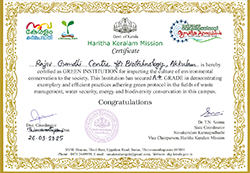
BRIC-RGCB, Campus 2 at Akkulam is certified as a green institution for imparting a culture of environmental conservation to society. The campus secured an A+ grade for its exemplary and efficient practices adhering to green protocols in waste management, water security, energy efficiency, and biodiversity conservation.
?? View GalleryBiomedical scientists and research institutions should seek increased funding from private sources and industries for translational health sciences research, said Dr. Ganesan Karthikeyan, Executive Director of BRIC-THSTI (Translational Health Science and Technology Institute), Faridabad.
Dr. Karthikeyan, who is also a professor of cardiology at AIIMS, New Delhi, delivered a lecture on 'Bridging the Valleys of Death: Navigating the Barriers to Translation' organized by BRIC-RGCB (Rajiv Gandhi Centre for Biotechnology) on 19 March 2025.
"Only 18 to 19 drugs have been discovered in India in the last 50 years, while the US discovers at least 20 drugs every year," he said, highlighting how India lags in translational medicine research.
"Our funding for research activities is limited and fragmented. While we get only three million US dollars for biomedical research for the entire country, the US gets approximately USD 245 billion," he added.
Dr. Karthikeyan also noted that regulatory barriers to drug approval hinder progress in translational medicine.
"It's important how we organize and design our research, what we prioritize, and how we understand what's important for this country," he emphasized. "Multi-disciplinary and collaborative research is key."
Prof. Chandrabhas Narayana, Director of BRIC-RGCB, said, "The government is pushing us to make biotechnology the fourth pillar of economic development. We must contribute one billion dollars to the industry through focused research."
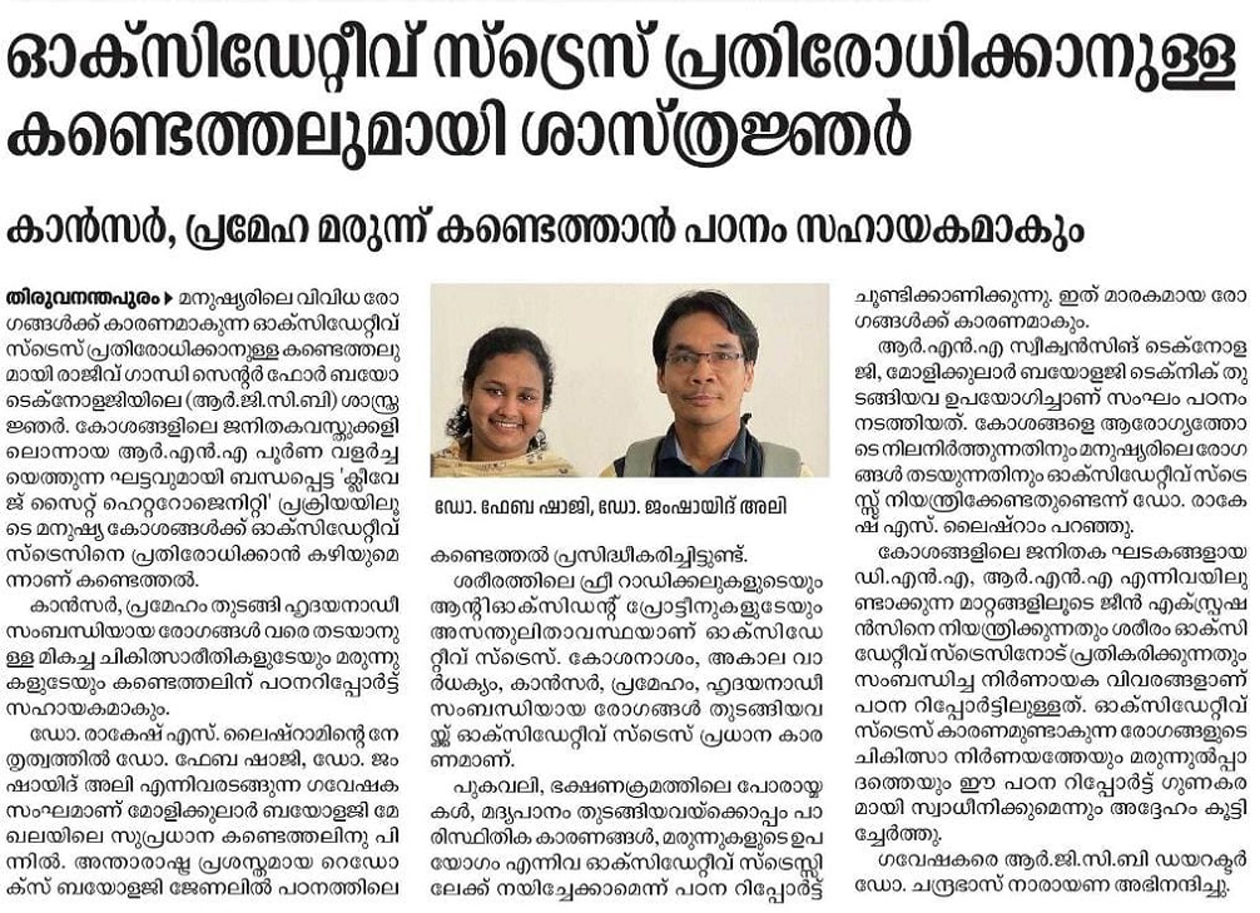
?? View GalleryIn a ground-breaking discovery, researchers at RGCB have found relation between mRNA processing to oxidative stress response, a condition that plays a major role in the pathogenesis of many ailments, such as cancer, diabetes, and cardiovascular and neurodegenerative diseases, alongside aging. Oxidative stress, particularly, in the heart, is critical in different conditions, including hypertension, heart failure, hypoxia, ischemia-reperfusion injury, atherosclerosis, and hypertrophy (excessive development of an organ or part). The team of researchers at Rajiv Gandhi Centre for Biotechnology (RGCB), led by Dr Rakesh S. Laishram (Scientist), Dr Feba Shaji and Dr Jamshaid Ali, noted that during oxidative stress when the production of reactive oxidative species molecules exceeds cell's ability to neutralize, production of antioxidant protein is ramped up by increasing the fidelity of RNA processing. This research is published in the prestigious Redox Biology journal.
In the gene expression pathway, DNA is transcribed into RNA that is further translated into proteins. These proteins act as the machinery to carry out variety of cellular functions. Manipulations in these pathways through DNA, RNA or protein alter gene expression under different cellular states. One of the key pathways through which gene expression is controlled is RNA processing, which involves cleavage of the RNA. Interestingly, the process of cleavage is not always perfect or precise; rather it is has potential of multiple places where the RNA can be cut (cleavage heterogeneity).
"Controlling oxidative stress is important for keeping cells healthy and preventing human diseases. One key way cells regulate oxidative stress is by controlling gene expression through manipulations in the DNA, RNA or protein in the cell," says the study, uncovering a critical new insight into how cells respond to oxidative stress through imprecisions of RNA processing. "This underscores therapeutic relevance of targeting cleavage precision on an RNA in mitigating oxidative stress response and associated pathologies," Dr Laishram points out. Hailing the research paper, RGCB Director Dr Chandrabhas Narayana said it is a significant study that will help determine the vital response of antioxidants in the pathogenesis and development of a disease.
The research in the past several decades, the mechanism, regulation, or the biological implication of this cleavage imprecision was unknown. Contrary to the popular belief of being error-prone, Shaji et al., reported that this imprecision is tightly regulated to control gene expression in the cellular oxidative stress response.
Key oxidative stress response genes (NQO1, HMOX1, PRDX1, and CAT) show higher heterogeneity compared to the non-stress response genes. Also, the number of cleavage sites on such RNAs are reduced to impart cellular response to oxidative stresses. Reduction in heterogeneity in cleavage site imparts tolerance to cellular oxidative stresses.
The RGCB research paper has finally elucidated that the heterogeneity is driven by the fidelity cleavage complex to cleave at the primary cleavage site under oxidative stress. This work represents the first example of a biological significance of cleavage imprecision or heterogeneity that regulates gene expression. This study shows a new cleavage imprecision-mediated anti-oxidant response that is distinct from the other pathways of oxidative stress induction. This finding will have ramifications in the understanding of disease pathogenesis, such as cardiovascular, cancer, inflammation, pathogenesis, neurodegeneration, aging, or diabetes, where the antioxidant response is critical.
The Padma Shri Dr. Balram Bhargava delivered a keynote address at BRIC-Rajiv Gandhi Centre for Biotechnology (RGCB) on the theme 'Accelerate Action' as part of RGCB's Women's Day celebration. Dr. Sharmila Bapat, Director, BRIC-National Centre for Cell Science, Pune, called upon women to come forward to do research in science.
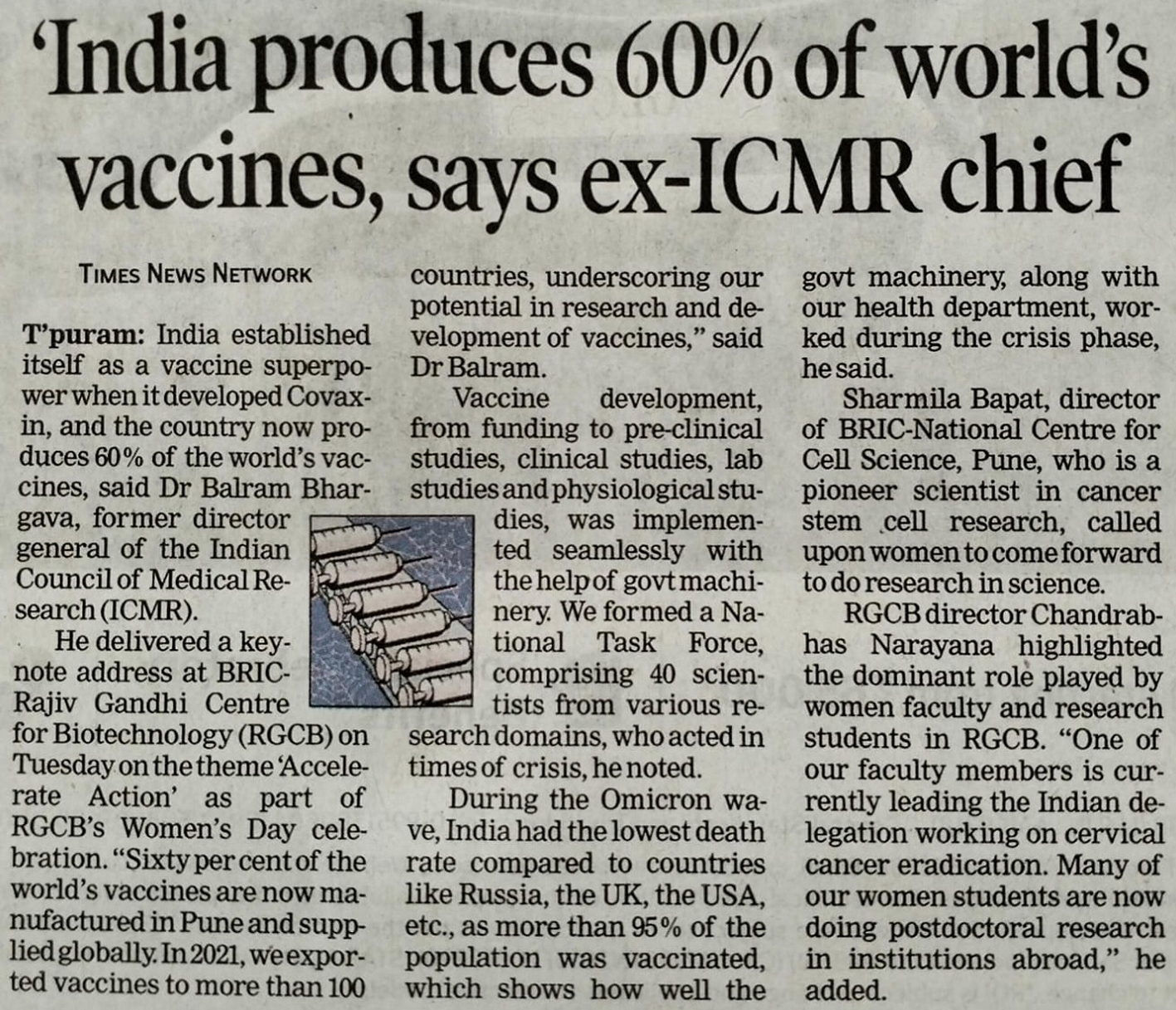
It is vital for researchers to acquire repertoire knowledge and skills in a wide variety of areas and systems as interdisciplinary science is the future, said Dr JN Moorthy, Director, Indian Institute of Science Education and Research (IISER), Thiruvananthapuram, today.
Dr Moorthy was delivering a lecture on 'Interdisciplinary Science-An Emergent Paradigm,' marking the National Science Day at Biotechnology Research and Innovation Council-Rajiv Gandhi Centre for Biotechnology (BRIC-RGCB) here.
BRIC-RGCB Director Prof Chandrabhas Narayana presided over the function. The theme of the National Science Day 2024 is 'Empowering Indian Youth for Global Leadership in Science and Innovation for Viksit Bharat'.
Urging researchers to embrace independent thinking, Dr Moorthy said they should have an excellent proven profile in their core domain as well as the ability to communicate across disciplines with domain knowledge and languages of other disciplines. Dr Moorthy, a noted chemist and Shanti Swarup Bhatnagar awardee, said scientific leaders need to be fostered with good education, and India has the third largest scientific and technical manpower in the world.
"India is the biggest provider of generic medicines in the world with 20 per cent of the volume of global generic drug exports. It is the result of the talent pool of scientists, researchers and engineers available here," he added.
In his address, Prof Narayana said since the country aims to become a developed nation, the younger generation needs to develop their scientific endeavours and contribute significantly to lead science and technology in the world.
In 1986, the Government of India designated February 28 as National Science Day to commemorate the announcement of the discovery of the 'Raman Effect' by Nobel Laureate and physicist CV Raman.
Researchers and staff of RGCB, as well as graduate and post-graduate students from various institutions, also attended the day-long National Science Day programmes at the institute.
Prizes were distributed to winners of the quiz competition and the expo conducted as part of the event.
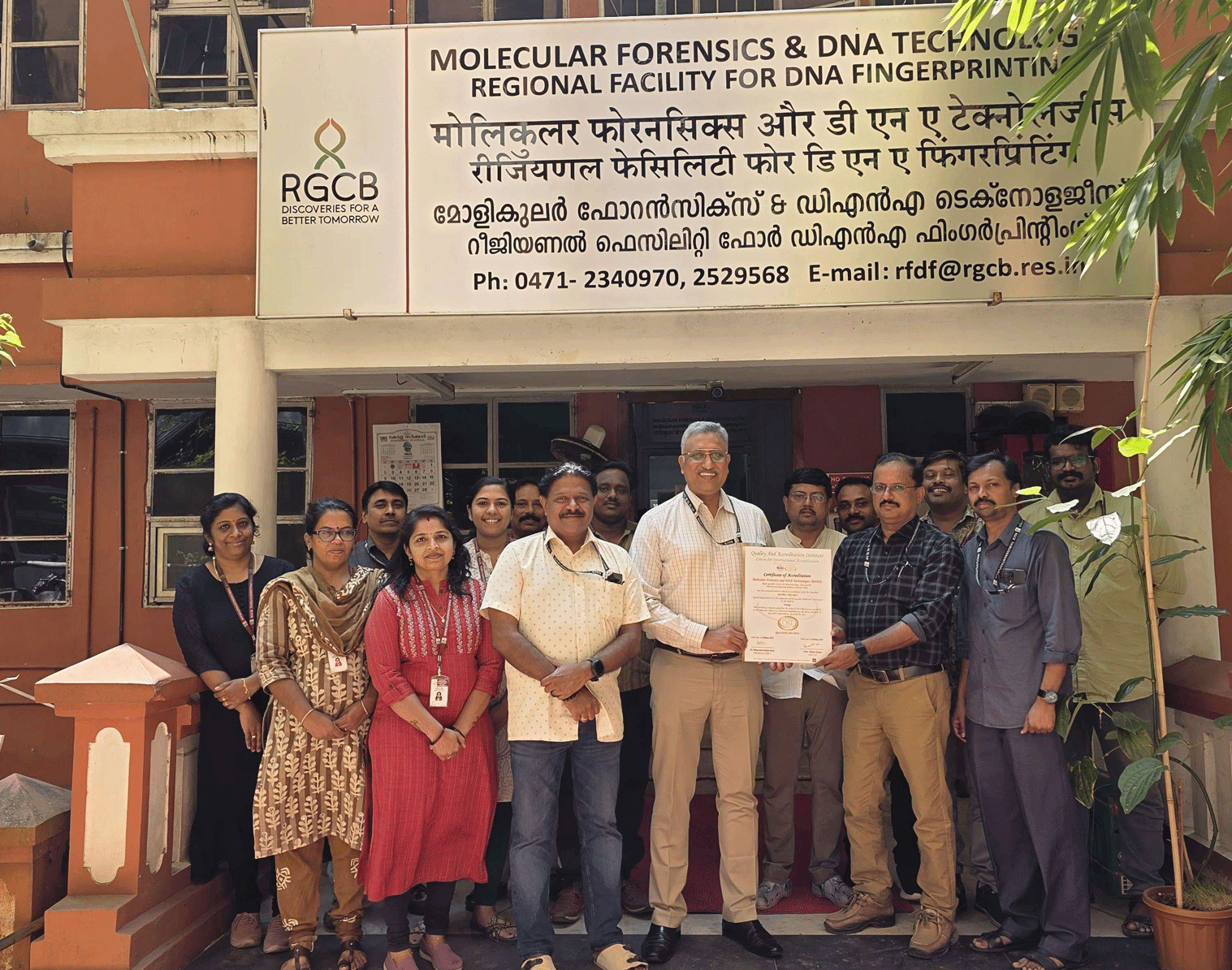
Molecular Forensics and DNA Technologies (MFDT), a division of BRIC-RGCB has been found to comply with the requirements of accreditation in Testing in accordance with ISO/ IEC 17025:2017 with the following Scopes of Accreditation. Human DNA Fingerprinting, Wildlife Forensics and DNA Barcoding of Plants, Animals, Bacteria & Fungus. MFDT directly went for accreditation without any external service personnel support. Congratulations to all the members of Molecular Forensics and DNA Technologies (MFDT) (erstwhile RFDF) for this proud achievement.
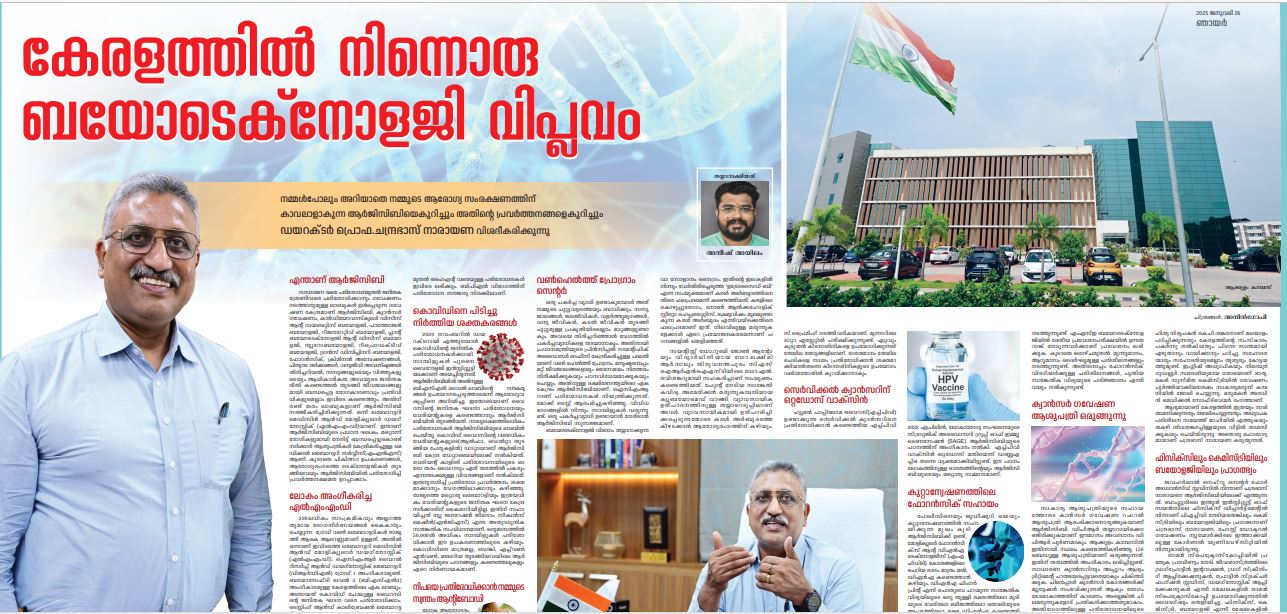
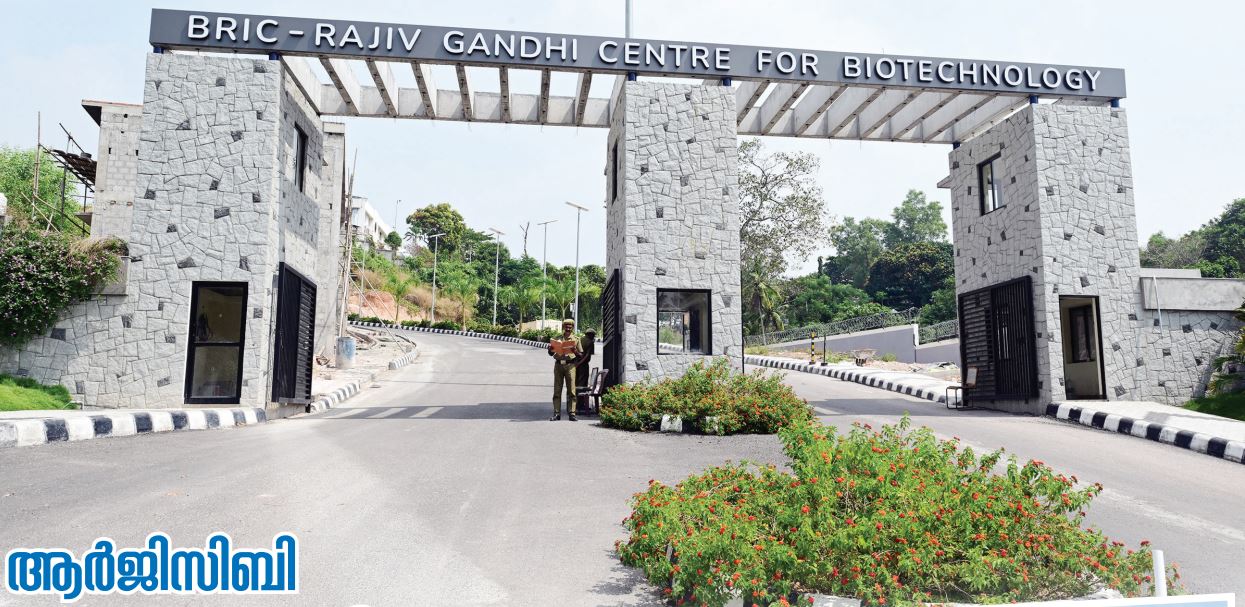
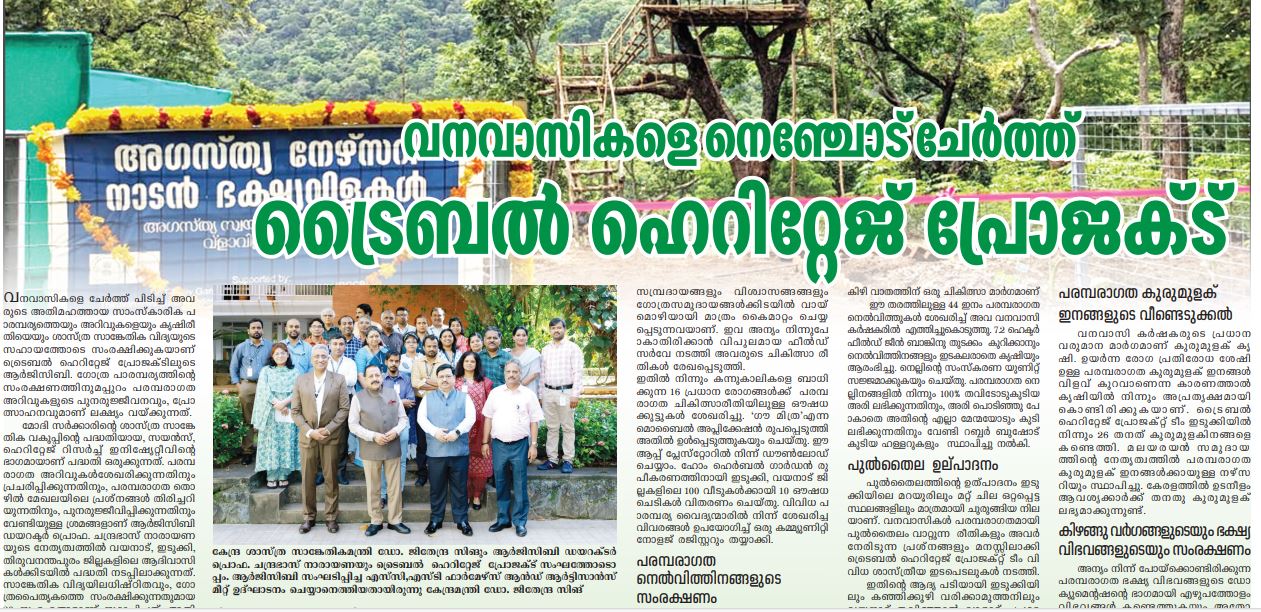

Dr. Parijat Senapati, Scientist C, Cancer Research Program, BRIC-RGCB, has been selected for membership in the Indian National Young Academy of Science (INYAS) for a period of 5 years beginning February 2025.
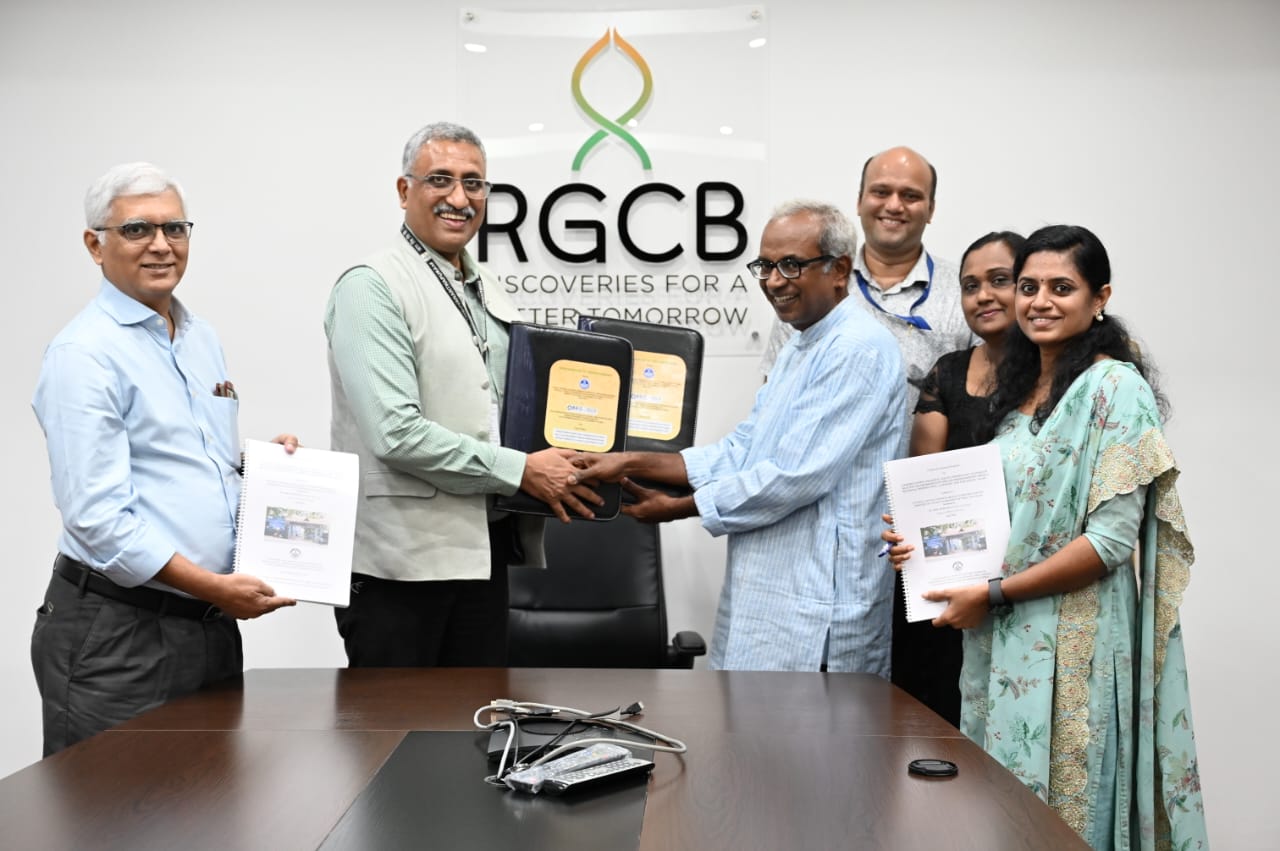
An MoU has been signed between BRIC-RGCB and CCRAS- Regional Ayurveda Research Institute (an autonomous institute of Ministry of AYUSH), Government of India to carry out an exhaustive study in understanding the genetics and epigenetic basis of Prakriti and its inheritance pattern. The MoU was signed by Professor Chandrabhas Narayana, Director BRIC-RGCB and Dr. V.Subhose AD In-Charge, CCRAS-RARI. The principal Investigators Dr. Moinak Banerjee from BRIC-RGCB and Dr. Sree Deepthi G.N, and Co-Investigators Dr. Sinimol and Dr. Praveen Balakrishnan were also present on the occasion.
Autism, a developmental disorder that causes functional abnormalities in brain development, is caused by a combination of environmental and genetic factors with its symptoms manifesting in childhood as early as the age of two years. Complexities of ASD (Autism Spectrum Disorder) include single gene mutations in early development genes.
A recent RGCB study linked a novel mutation in Tlx3 gene with abnormal development of the cerebellum (a major region of the hind brain that controls balance, motor movement, and other complex functions) and autism.
The study, conducted by Dr. Jackson James and his team from BRIC-Rajiv Gandhi Centre for Biotechnology (RGCB) here, has been published in the prestigious journal iScience.
Deleting Tlx3 gene from the cerebellum of a transgenic mouse (a mouse with its DNA altered through genetic engineering techniques) embryo potentially affects coordination of cerebellum function. When these mice embryos were allowed to grow until adulthood, they developed hallmarks of autistic behavior, including abnormalities in social skills, repetitive behaviour, and motor/movement function.
The RGCB team, in collaboration with CSIR-IGIB (Council Of Scientific And Industrial Research-Institute Of Genomics And Integrative Biology (CSIR-IGIB), New Delhi, also assessed the potential for this mutation to occur in the human population and identified TLX3 mutation variants that are linked to nine ASD cases and other co-morbid neurodevelopmental conditions.
Dr. James, however, stated that a genome-wide global cohort analysis is necessary to assess the frequency of this TLX3 mutation and the extent to which the variation is linked to specific populations, such as Indians and others. Together, these results indicate how erroneous regulation of this early embryonic gene manifests into ASDs during early childhood.
RGCB Director Prof. Chandrabhas Narayana said, "Autism is a serious childhood problem across the world. In India also, it has emerged as a significant challenge for researchers and medical fraternity as autism has wide social and medical ramifications. The RGCB study will offer new insights into this behavioural disorder."
ASDs lead to behavioural deficits, including lack of social cognition and restricted/repetitive behaviours, desires, communication, or actions in individuals.
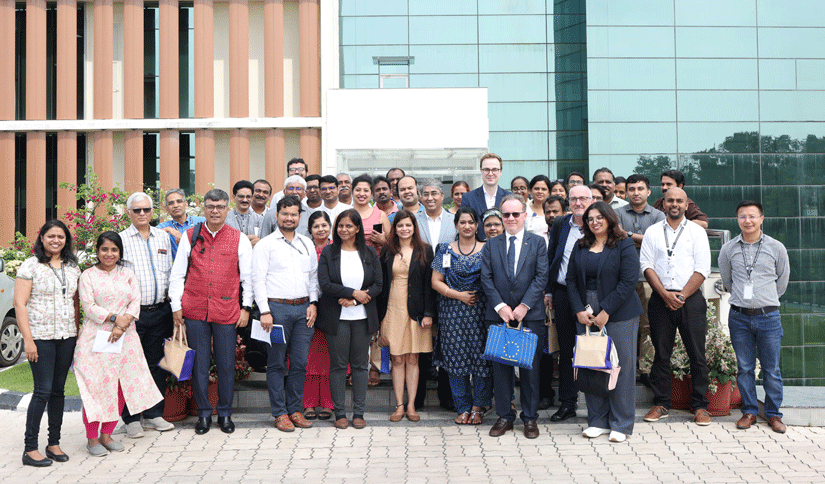
A delegation representing different member states of the European Union visited RGCB today. They interacted with the faculty of RGCB and provided an overview of different funding opportunities, such as Horizon Europe and EU member states bilateral cooperation opportunities
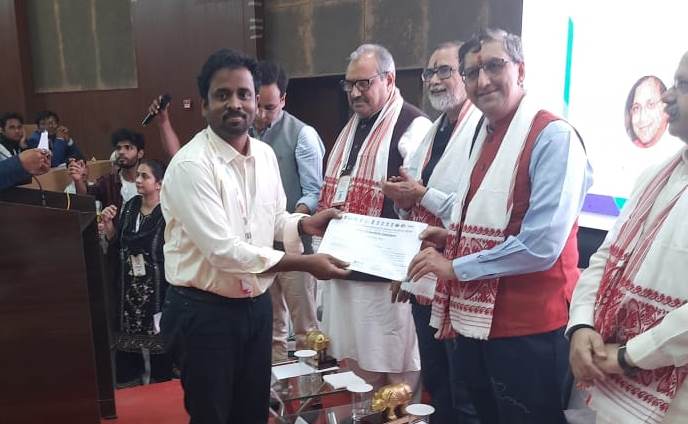
Dr. Arun Sankaradoss (Scientist, Pathogen Biology Program, RGCB) won the 1st Prize in the oral presentation, Young Scientist Conclave, IISF 2024, currently being held at IIT Guwahati. The title of the talk is "A Protective Nucleic-based Dengue Vaccine Engineered to Abrogate Antibody-Dependent Enhancement of Infection

Sarah Amalia Teichmann, a pioneering scientist in the field of cellular genetics and stem cell medicine, today said the Human Cell Atlas (HCA) project she is leading has the potential to help engineer cells for research and therapeutic purposes, which can offer new insights in diagnosing, monitoring and treating diseases.
Teichmann, the current India Academy of Sciences Raman Chair, was delivering a lecture on 'Mapping Molecules to Cells' at BRIC-Rajiv Gandhi Centre for Biotechnology (RGCB), as part of the Public Series Lecture organized by India Academy of Sciences.
Prof. Partha Majumder, National Science Chair, Govt. of India and RGCB director Prof Chandrabhas Narayana were present at the session.
"Human Cell Atlas has the potential to help us engineer cells for research and therapeutic purposes. For tapping this potential, we first need to understand the molecular basis of cells in our body and we need to define the cell types in our body. If we can achieve this, we have the potential to restore tissues, engineer cells, and that would be a revolution," Teichmann said while explaining the advance made in the field of genomics.
"The mission of HCA is to create a comprehensive reference map of the types and properties of our cells, the fundamental units of life, as a basis for understanding our bodies, understanding ourselves and get new insights into physiology, tissue function, and also for application in diagnosing, monitoring and treating diseases," noted Teichmann who is also the Chair of Stem Cell Medicine at the University of Cambridge, about the globally inclusive interdisciplinary human cell mapping process.
HCA is a consortium co-founded by Teichmann and her team in 2016 to create comprehensive reference maps of all human cells. "HCA is focused on creating the reference map of the healthy human cell and this already enabling major biomedical advancements. With this reference map we can compare and integrate disease data with a healthy reference state of our cells and understand in detail what changes are occurring," she said.
Teichmann also explained how the mapping helps in understanding the virus entry points in humans.
"HCA can act as a guidebook, and will be valuable and purposeful in understanding viral entry factors. This knowledge can enable us to ask questions not only on viral entry factors, where are genes expressed involved for rare diseases and common diseases, where our hormone receptors are, where our drug targets expressed-which can impart knowledge on side effects and toxicities," Teichmann said on her research during Covid 19.
"So this project that we are building together with scientists around the world including India will have a huge impact in bio medical advancement," she said. The journal Nature has published a series of fourty scientific discoveries as the first draft of the whole human cell atlas.
Raman Chair was instituted by Govt of India in memory of scientist Sir CV Raman in 1972. Raman chair was previously occupied by eminent scientists including Nobel laureates Prof. J. B. Goodenough, Prof. Harold E Varmus, Prof. Ben L Feringa, Prof. Dorothy Hodgkin and Prof. B. S. Blumberg
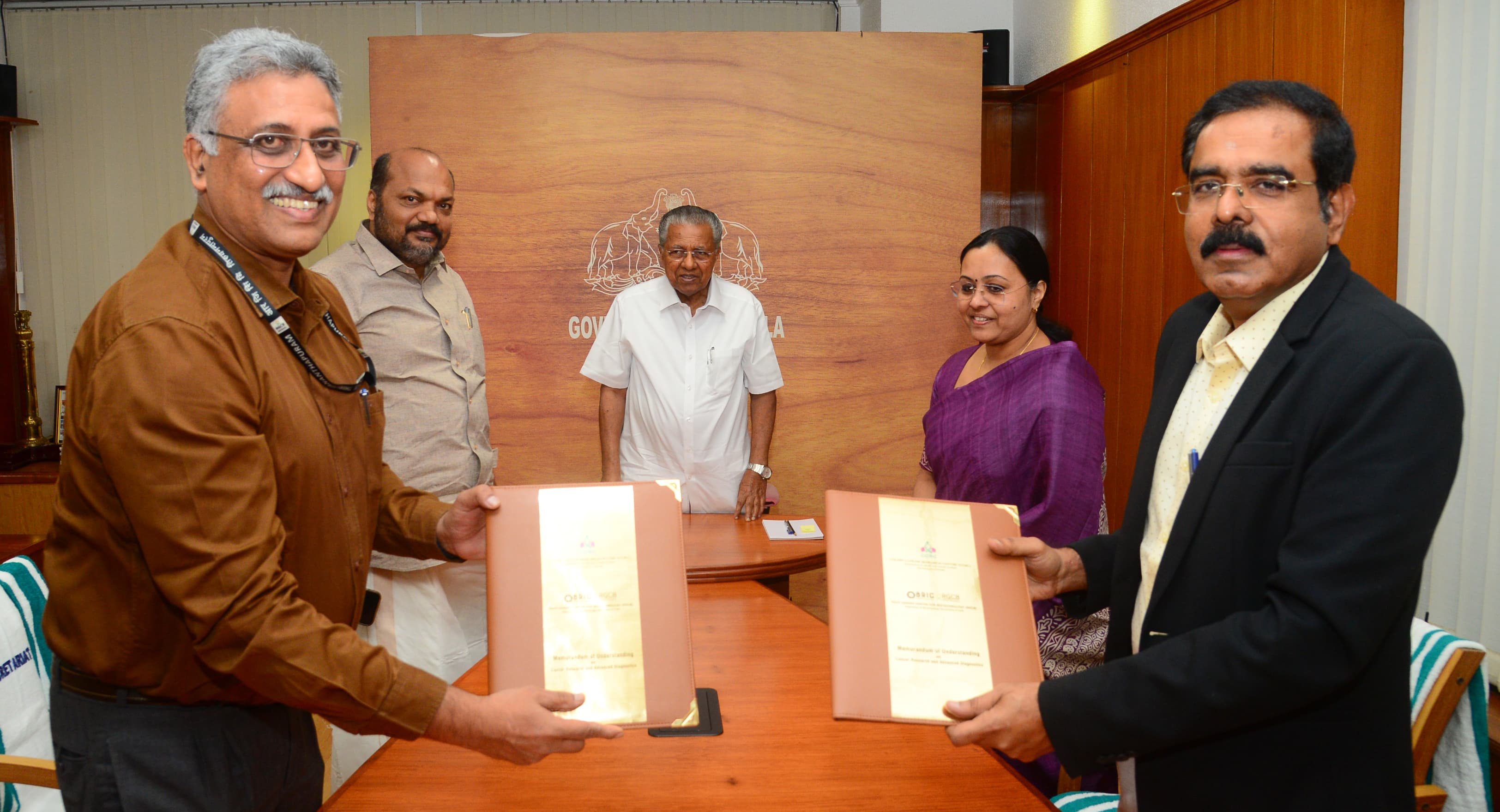
The Rajiv Gandhi Centre for Biotechnology (BRIC-RGCB) and Cochin Cancer Research Centre, Kochi (CCRC) today signed a Memorandum of Understanding (MoU) on cancer research, therapy and advanced diagnostics.
The MoU was signed between Prof. Chandrabhas Narayana, Director of RGCB, and Dr Balagopal P.G., Director of CCRC, in the presence of Chief Minister Shri Pinarayi Vijayan, Health & Family Welfare Minister Smt. Veena George, and Law and Industries Minister Shri P. Rajeeve, at the State Secretariat here.
Under the MoU, RGCB, an institute of the Biotechnology Research and Innovation Council (BRIC) under the Department of Biotechnology, Govt. of India, will act as a nodal institution for a period of five years for establishing the Research and Diagnostic facility at CCRC and anchor its Research and Diagnosis Service Division since it requires expert stakeholder governance in the initial phase.
"The MoU is quite important because the RGCB will extend its expertise and sophisticated lab facilities to make a significant headway in research on cancer treatment and prevention. The cooperation in the cancer research will essentially benefit the common man," said Prof. Narayana.
As part of the agreement, RGCB will provide scientific mentoring and overall technical management of the R&D facility at CCRC and also provide structured training to its research staff and clinicians.
The major areas of research will be cancer development, cancer progression, and cancer therapy & diagnostics.
Roll out fruits of scientific research for inclusive growth: Dr Jitendra Singh
Minister launches online SC-ST community enterprises backed by BRIC-RGCB, Swadeshi Science movement
Thiruvananthapuram, Oct. 17: Union Minister of State for Science and Technology Dr Jitendra Singh today said it is time to scale up efforts to add value to the fruits of scientific research of leading institutions and roll them out for the inclusive progress of the society.
Dr Singh was speaking after inaugurating the community enterprises of Scheduled Castes-Scheduled Tribes communities of Kerala promoted jointly by the Tribal Science Heritage project of Biotechnology Research and Innovation Council - Rajiv Gandhi Centre for Biotechnology (BRIC-RGCB) and Swadeshi Science Movement-Kerala (SSM-K) at BRIC-RGCB campus here.
Around 200 beneficiaries of the BRIC-RGCB's Tribal Heritage Project and Agro Based Science Technology & Innovation Hub of Swadeshi Science Movement-Kerala and Vijnana Bharati were present at the function, presided over by BRIC-RGCB Director Dr Chandrabhas Narayana.
After Shri Narendra Modi took over as the Prime Minister, a big thrust has been given to sectors like Biotechnology by unveiling the Bio-E3 policy, which emphasizes Economy, Environment and Employment as the country prepares for the next Industrial Revolution, Dr Singh said.
Referring to the presence of leading science and technology institutions in the city, Dr Singh said Kerala's capital has become the Science Capital of the country, just as it is known as the tourism capital.
“Thiruvananthapuram can also be called the science capital of India as it has become a favourite destination for scientists... It has immense scientific and research potential, because of the resources and also because of the legacy of science research and innovation which has been there for generations,” Dr Singh said.
He emphasized combining the country's scientific potential with the industrial startup ecosystem. “We were just 50 startups in 2014, now it is almost 9000. Our bioeconomy was just 10 billion USD, today it's about 130 billion USD.”
During the COVID-19 outbreak, Indian scientific institutions demonstrated their strength before the world. A faculty from RGCB was part of the global vaccine presentation.
The ST hubs concept aligns with Prime Minister Modi's vision of inclusive development for marginalized sections. This initiative in Kerala serves as a pilot project for the rest of the country.
Scientific institutions like CSIR, DBT, and RGCB collaborating with industry can boost production and marketing of ethnic products.
The floriculture and medicinal plant cultivation momentum, and the "purple revolution" to promote the fragrance industry, has created opportunities for agri-startups, which are uniquely Indian.
The Minister also released two books: "The Taste of the Wild - An Inventory on Ethnic Food and Wild Edibles" and "Revitalizing tribal traditions: Initiatives for Sustainable Vikasit Bharat".
Dr Chandrabhas Narayana said BRIC-RGCB has been engaging with remote districts like Wayanad, Idukki, and Thiruvananthapuram to promote tribal community products.
Dignitaries at the event included Dr S Unnikrishnan Nair (Director, VSSC), Dr C Anandharamakrishnan (Director, CSIR-NIIST), former Union Minister Shri V Muraleedharan, SSM President Dr K Muraleedharan, and Shri Vivekananda Pai (Secretary General, Vibha).
Units inaugurated virtually by Dr Singh included:
-
Ethnic food units: Kammana (Wayanad), Vlavila
(Thiruvananthapuram), Avani (Idukki)
- Medicinal plant
units: Vlavetti (Thiruvananthapuram), Kanjikkuzhi (Idukki)
- Fixed oil unit: Kulathupuzha
Artisans and farmers from Wayanad, Idukki, Thiruvananthapuram, Pathanamthitta, Palakkad, and Malappuram participated. An expo displayed 50 wild tuber varieties and 60 paddy varieties from Wayanad.
The Tribal Heritage Project focuses on value addition using tubers, fruits, and medicinal plants preserving traditional knowledge, empowering tribes, and supporting economic growth.
Thiruvananthapuram, Oct. 16: Union Minister of State for Science and Technology Dr Jitendra Singh will address around 300 beneficiaries, including artisans and farmers from Scheduled Caste and Scheduled Tribe (SC/ST) communities who have received support from various projects launched by Biotechnology Research and Innovation Council-Rajiv Gandhi Centre for Biotechnology (BRIC-RGCB) and Swadeshi Science Movement-Kerala (SSM-K) at the RGCB campus on October 17.
The 'SC/ST Farmers and Artisans Meet' under the Science and Technology Innovation Programme, scheduled at 12:15 PM, is jointly organized by BRIC-RGCB, SSM-K, and Vijnana Bharathi. Dr Chandrabhas Narayana, Director, BRIC-RGCB, will preside over the function.
The event will bring together 100 beneficiaries of BRIC-RGCB's Tribal Heritage Project and 200 SC artisans from SSM-K's SC Hub project. Both projects are funded by the Department of Science and Technology, Government of India, with the goal of documenting traditional tribal knowledge and empowering livelihoods.
An expo featuring 50 wild tuber varieties and 60 paddy varieties from Wayanad will also be held.
RGCB launched the Tribal Heritage Project to support traditional tribal enterprises in Idukki, Wayanad, and Thiruvananthapuram districts under the Government of India’s Science Heritage Research Initiative (SHRI). The initiative aims to protect tribal heritage through scientific interventions involving tribal communities.
Dr Singh will also launch six community enterprise units and three ethnic food processing units under BRIC-RGCB’s project. In addition, he will release the books "The Taste of the Wild - An Inventory on Ethnic Food and Wild Edibles" and "Revitalizing Tribal Traditions: Initiatives for Sustainable Vikasit Bharat".
The Tribal Heritage Project emphasizes value addition and fortification of products using underutilized local resources such as tubers, fruits, and medicinal plants. Around 20 community enterprises combining traditional knowledge with modern science have been established under the project.
These groups are producing over 40 products, including plant saplings, non-timber forest products (NTFPs), food items, and medicinal preparations. Ethnic food processing units also manufacture value-added products from wild tubers and fruits.
The initiative has significantly impacted tribal communities in Kerala, focusing on the preservation of traditional knowledge, empowerment of tribal populations, conservation of indigenous flora, economic growth, and the promotion of native practices and products.
Through extensive fieldwork and community-based interventions, the project has revitalized tribal traditions and led to the establishment of sustainable community enterprises, directly empowering over 425 tribal families.
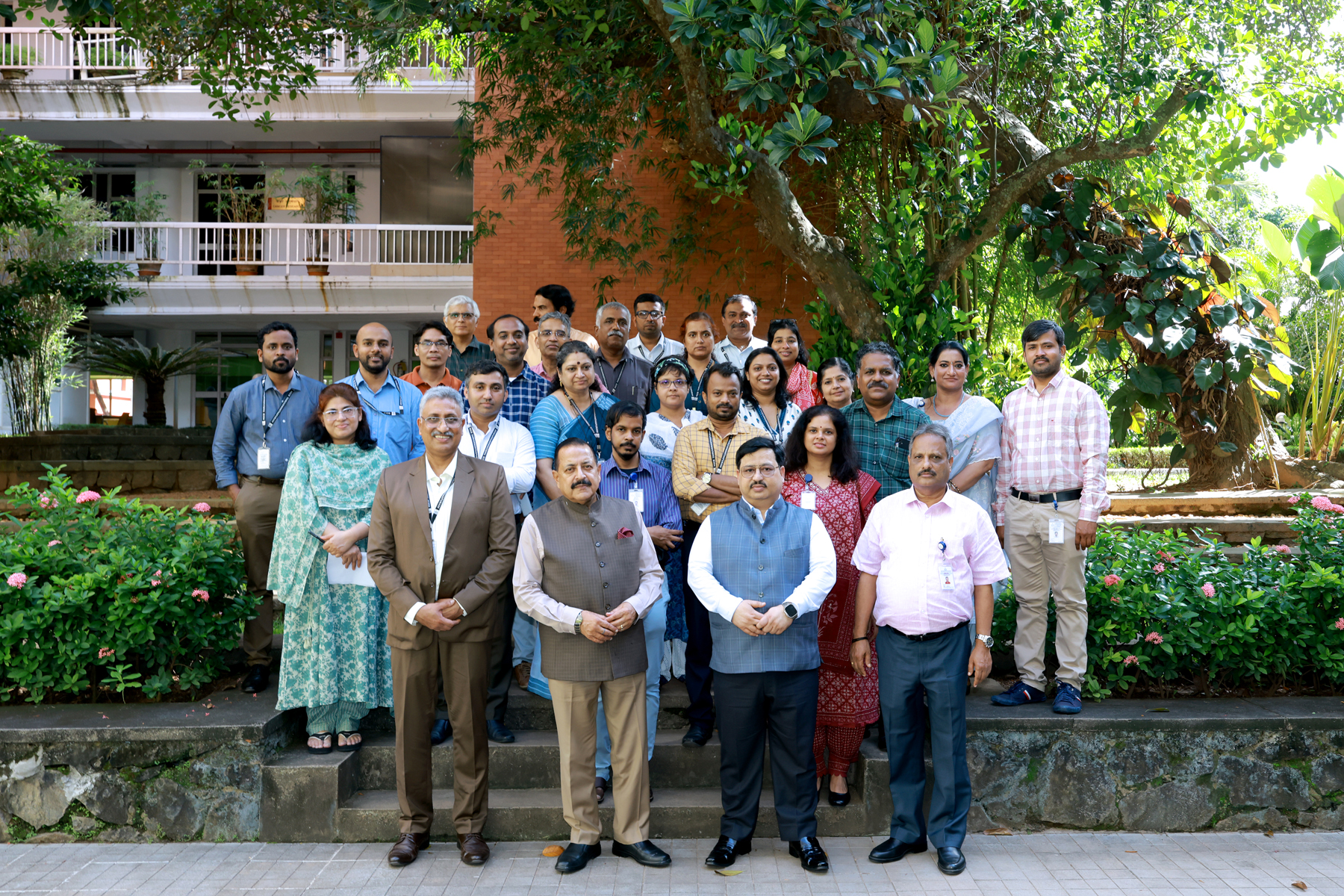
Dr Jitendra Singh, Hon'ble Union Minister of State for Science and Technology, visited RGCB and interacted with faculty. Prof. Chandrabhas Narayana, Director RGCB, briefed him about the ongoing research programs at RGCB, followed by an interactive session with the Minister. We thank the Hon'ble Minister for his valuable time and also for providing critical suggestions and feedback on our various research programs.
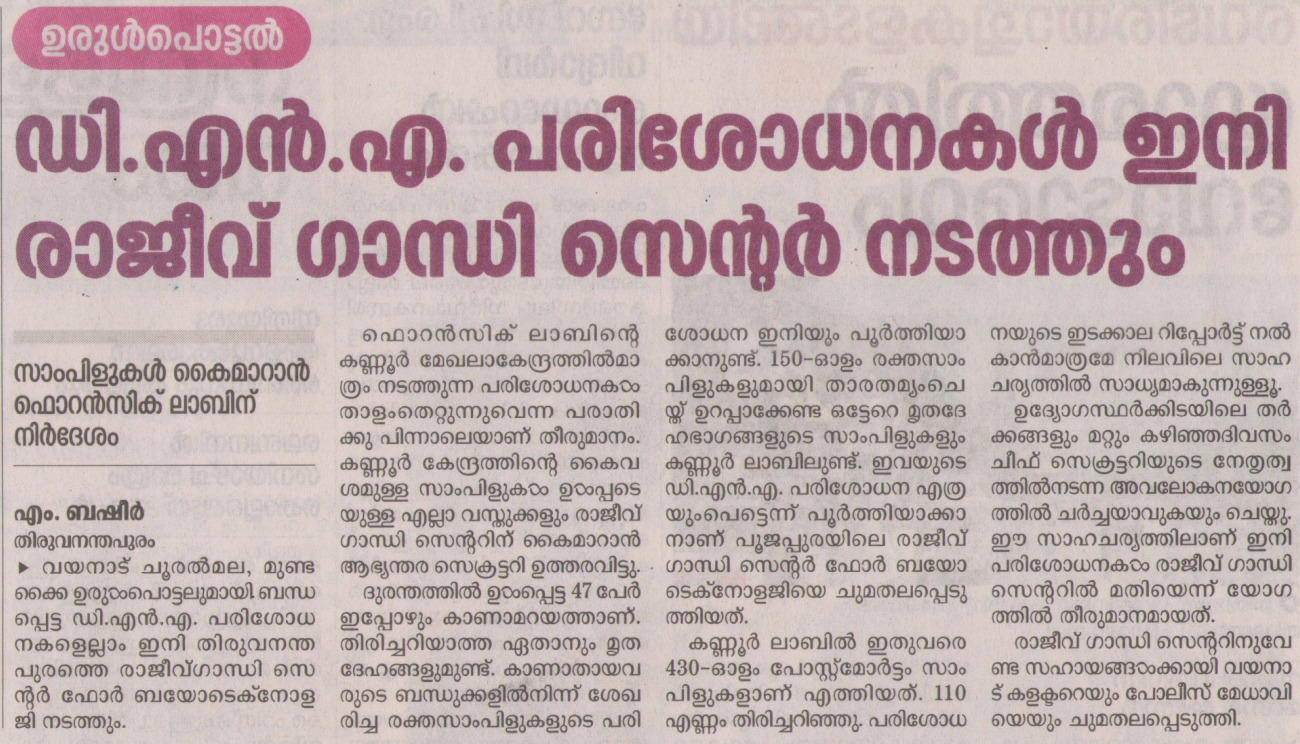
RGCB assigned responsibility for DNA testing of Wayanad landslide victims: The DNA samples of deceased people in Wayanad's Chooralmala and Mundakkaya landslides will be tested at #RGCB hereafter. The decision was finalized after complaints were raised against ongoing tests at Kannur Regional Forensic Lab. The Home Secretary has ordered to immediately hand over all the DNA samples and related documents possessed by Kannur Forensic Lab to RGCB in order to complete the testing process in a timely manner. The Wayanad Collector has been assigned to assist RGCB in the process.
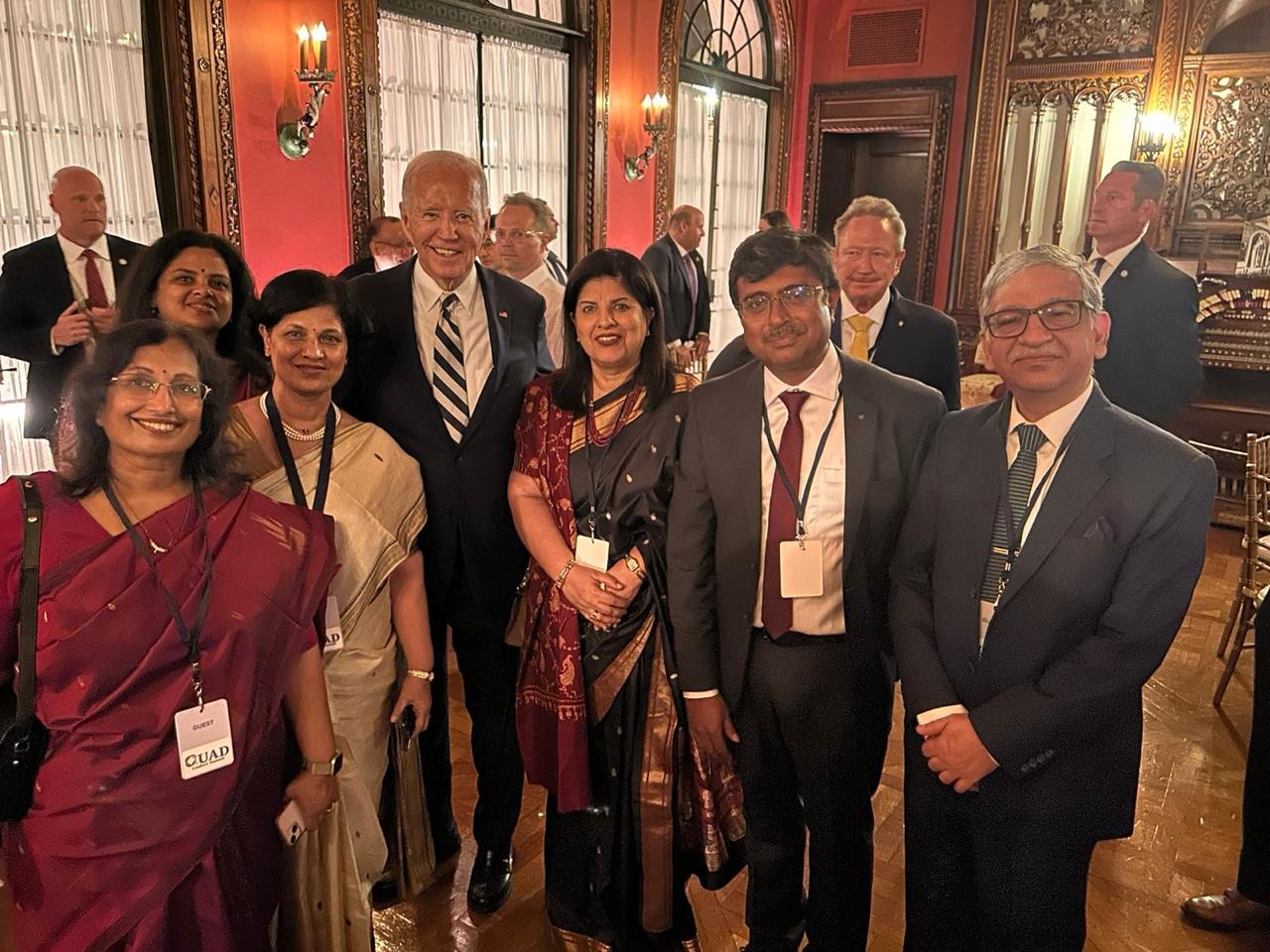
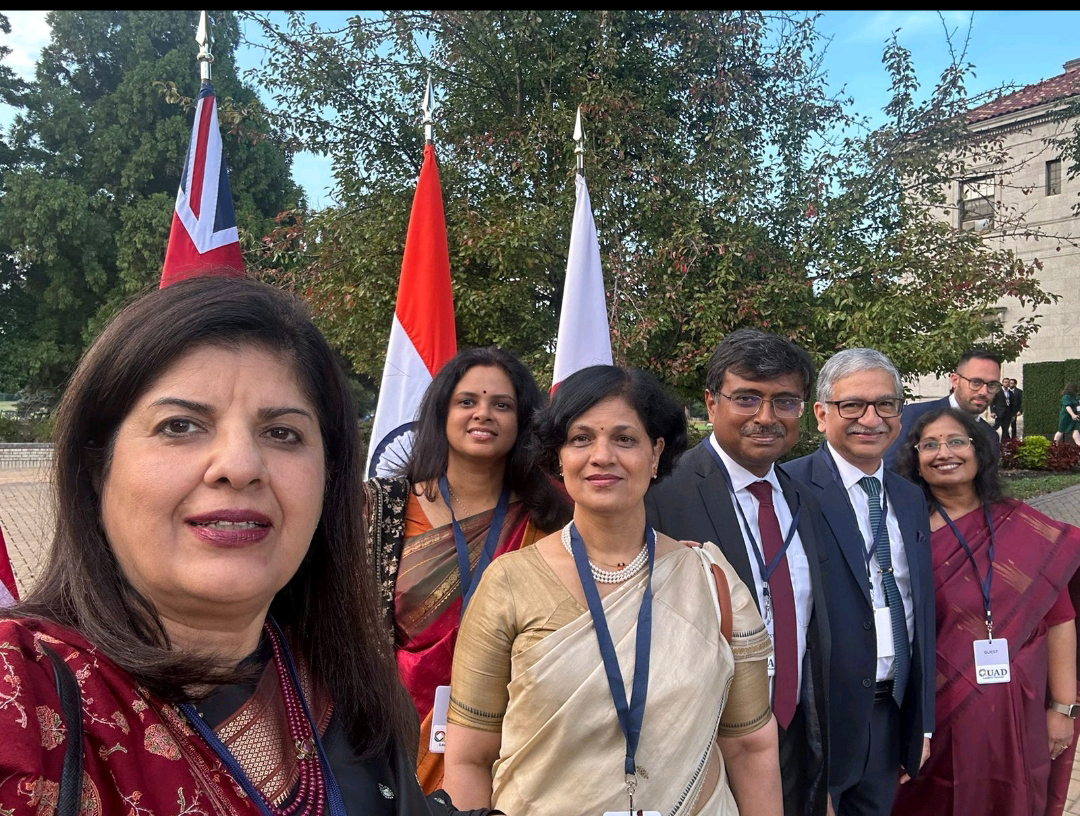
Visit of Indian delegation along with Shri Narendra Modi, Honorable Prime Minister of our nation, at the QUAD Moonshot Cancer Dialogue at Wilmington, DE, USA on 21st September. Dr Devasena Anantharaman, Scientist F, BRIC-RGCB, was part of the delegation. It was a proud moment for RGCB. The delegation had a discussion with Mr Joe Biden, the Honorable President of the USA and Mr Eric Garcetti, US Ambassador to India.
.jpg)
.jpg)
.jpg)
.jpg)
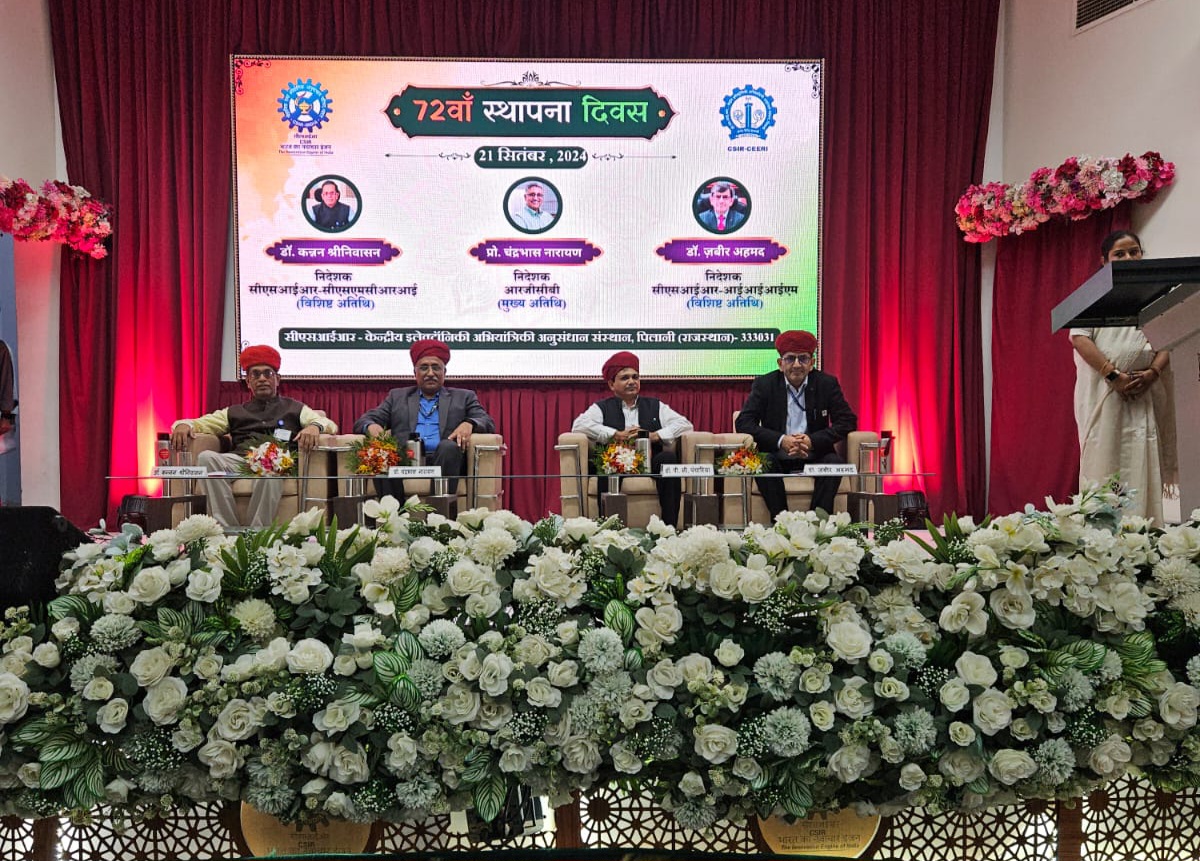
Professor Chandrabhas Narayana, Director RGCB, was the Chief Guest at CSIR-CEERI Pilani's 72nd Foundation Day. On the dias, Dr. P C Panchariya, Director CEERI (on the left), Dr Kannan Srinivasan, Director CSIR-CSMCRI, Bhavnagar (second from right), and Dr Zabeer Ahmed, Director CSIR-IIIM Jammu (Extreme right).
The Union Cabinet, chaired by Prime Minister Shri Narendra Modi, approved a new scheme, Biotechnology Research Innovation and Entrepreneurship Development (Bio-RIDE), with a new component, namely Biomanufacturing and Biofoundry.
The proposed outlay for the implementation of the unified scheme Bio-RIDE is ?9,197 crore during the 15th Finance Commission period from 2021-22 to 2025-26.
As the new BioE3 Policy seeks to place India at the forefront of the next industrial revolution, the scientific community today foresaw the prospect of massive investments for innovation that can help the bioeconomic sector achieve a growth of ?25 lakh crore by 2030.
The Rajiv Gandhi Centre for Biotechnology (RGCB) began groundwork on initiating Kerala's shift from chemical-based industries into bio-manufacturing hubs that power the country's economy while tackling the challenges of food, energy and climate.
Dr Chandrabhas Narayana, Director of RGCB, hailed the proposed shift and announced that the institution will organise a series of awareness programmes across Kerala about the BioE3 initiative.
At a panel discussion attended by top officials from the Department of Science and Technology (DST), RGCB expressed its commitment to leading Kerala in implementing the BioE3 policy biotechnology for economy, employment and environment to drive cleaner and greener development.
The state-wide campaign began with a workshop at KRIBS BioNest Campus, where experts emphasized BioE3's role in helping India achieve carbon neutrality. They also noted its potential to address demands for food and fuel while generating employment.
Dr Praveen Roy (DST-TTI Division) described the paradigm shift from chemical to bio-based production as a leap toward sustainability. The policy will also introduce bio-AI hubs for gene therapy, food processing, and data analysis.
Dr Santhosh Kumar T.R. from RGCB highlighted the immense potential the policy holds for startups and SMEs. He emphasized public-private partnerships to overcome implementation challenges and ensure industrial collaboration with research institutions.
The event, moderated by KRIBS Bionest CEO Dr K Ampady, included inputs from Dr Pramod S and Dr Shardul Rao of DST. Startups raised queries on funding, institutional collaboration, and permissions for bio-innovation commercialization.
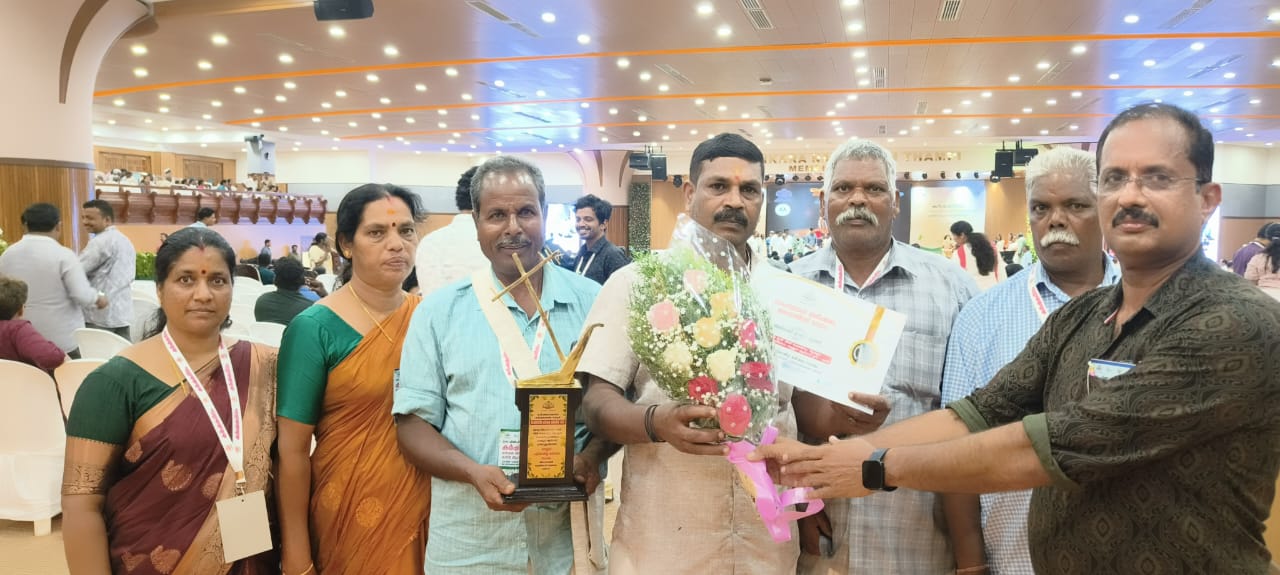
Nellara Pattika Varga Kashaka Sangam, a community enterprise supported under the DST Tribal Heritage Project, was honored this year with the Kerala State Government Award for their exemplary efforts in conserving traditional crops and associated heritage, bestowed by the Department of Agriculture.
Professor Chandrabhas Narayana, the Director of RGCB, officially inaugurated the conservation plot and nursery for wild edibles established at Nellarachal, Muttil Gram Panchayat, Wayanad on September 18th of the previous year.
The RGCB family extends their heartfelt congratulations to the group of farmers for this well-deserved recognition of their dedication and hard work.
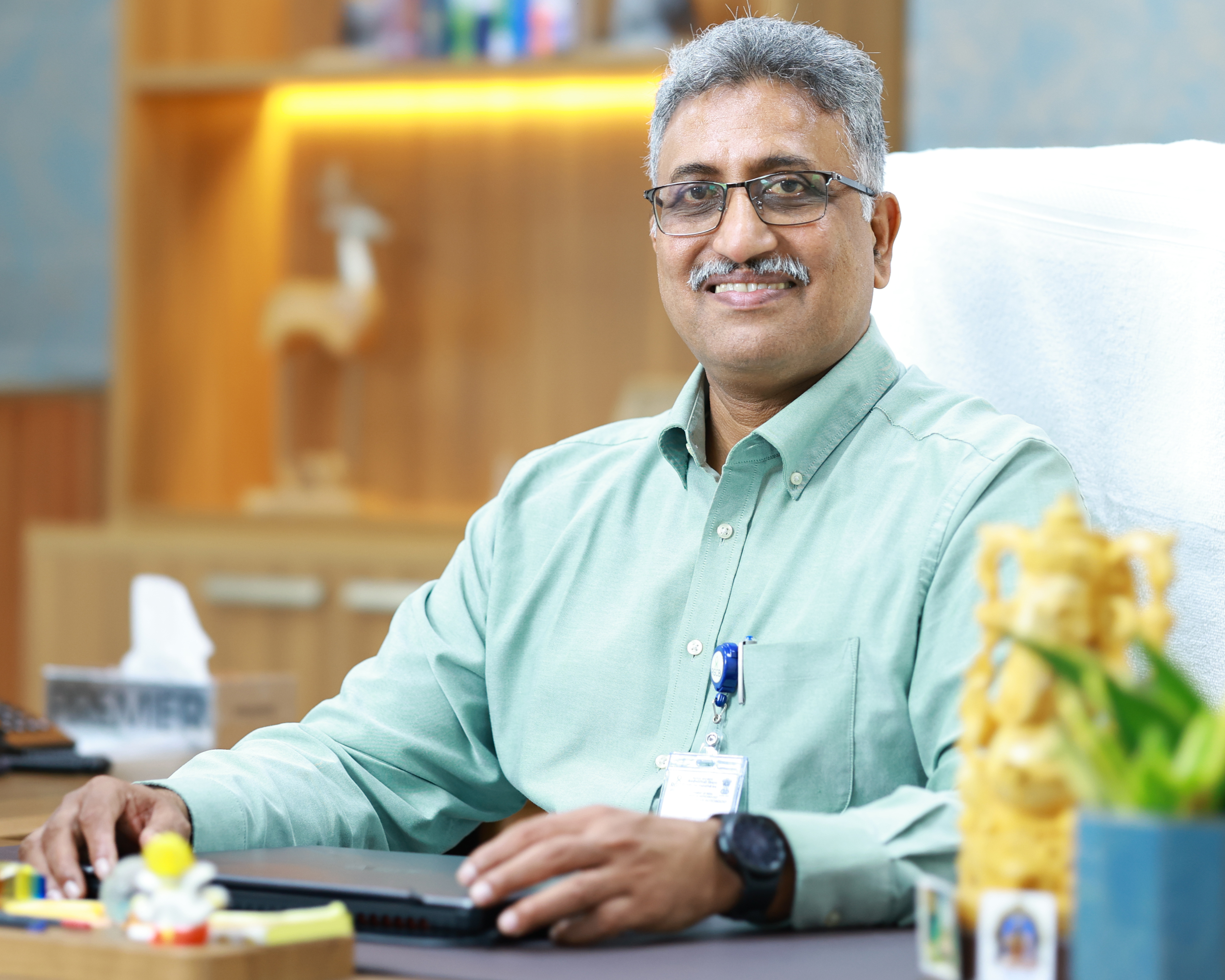
RGCB is very happy to share the news that Professor Chandrabhas Narayana, Director of RGCB, has been selected for the Dr APJ Abdul Kalam National Award given by the APJ Abdul Kalam Study Centre.
Union Minister of State for Tourism, Petroleum & Natural Gas Shri Suresh Gopi today said he would take up with the Centre the need to expedite the ambitious projects of the campus-II of Rajiv Gandhi Centre for Biotechnology (RGCB) at Aakkulam here as a hub of advanced medical research and medicine development.
After a visit to the campus and extensive interaction with the Director and senior scientists, Shri Suresh Gopi said he would take up with the ministers concerned the need to fast-track the path-breaking projects undertaken by RGCB's campus-II, including that of setting up a referral hospital for cancer patients needing palliative care.
RGCB is an institute under the Department of Biotechnology, Ministry of Science and Technology, Government of India.
"I came here for a 30-minute session with the institute's scientists. But it went on for two-and-a-half hours. Many people do not know about the advanced scientific research projects taken up by the institute and its competence and efficiency," Shri Suresh Gopi said.
Shri Suresh Gopi said he would take up issues relating to the development of the campus with Union Minister for Science and Technology & Minister of Health Sciences Dr Jitendra Singh.
Also, he will take up with Union Minister for Health and Family Welfare Shri J P Nadda the RGCB's proposal to set up a referral hospital and request Union Finance Minister Smt Nirmala Sitharaman to provide adequate funds for the project.
The minister also recalled the service rendered by RGCB during the Covid-19 pandemic, especially as a leading swab testing facility from which the society benefited significantly at the time.
Emphasising that the campus needs to be a green one, the Minister also planted a flower-tree and named it 'Kasturba.' He assured adequate support to plant more trees on the campus.
RGCB's campus-II, located about 10km from the campus 1 in the city, is the hub for research on vaccines and immune-therapeutics, molecular diagnostics, biomarkers, chemical and nano-biotechnology, and tropical disease biology. It is a unique knowledge centre for mid and high-level innovation founded on deep and advanced-level technical platforms.
RGCB Director Dr Chandrabhas Narayana said the interaction with the Union Minister was highly engaging and fruitful.
Shri Suresh Gopi showed keen interest in various pioneering projects of the campus that will benefit the society and pledged his support for their realisation.
He said the Minister was briefed on the RGCB's proposal to develop a 150 to 200 bed referral hospital in PPP model for cancer patients, especially those needing palliative care. The project, envisaged as a facility with ICU-convertible beds, is estimated to cost Rs 400 crore.
Prof Narayana said the Minister also promised to look into a proposal to develop the campus as an international medical tourism hub with advanced facilities to hold international medical events and conferences.
"Medical tourism concentrating on traditional medicine can be augmented by testing of patient samples from the baseline test like regular blood parameters to high-end proteomics, metabolomics, genomics etc. The Ministry of Tourism could extend all the support for carrying forward this initiative," Prof Narayana said.
The institute is developing facilities like an amphitheatre with a seating capacity of 2500 to conduct national and international events.
Another major project that came up during the interaction was that of intervention in the health of tribal communities to address genetic health issues found among them. For this, RGCB has a project of preparing a health card for tribal people with genetic features recorded in them.
While stroke has emerged as one of the leading causes of death globally, the genetic factors of different ethnic groups and regional disparities in comorbidities play a critical role in influencing the burden of the disease, says a study conducted by RGCB here.
"The underlying genetic factors are very critical in determining and defining the regional variations in influencing the stroke and its comorbidities which, in turn, can define the burden of stroke," observes the study conducted by researcher Moinak Banerjee, who is associated with Neurobiology Division of Rajiv Gandhi Centre for Biotechnology (BRIC-RGCB).
The research, published in the prestigious biomedical publication eLife, demonstrated that metabolic risk in America and Europe and vascular risk in Asian and African regions are the major drivers for stroke risk, in a proof that the stroke and its comorbid factors show strong regional disparities and ethnic and region-specific genetic factors. Comorbidities in stroke can amplify the risk of stroke and its outcome.
The findings of the study, one of the largest ever performed globally covering 204 countries, were based on the data collected from 2009-19 for stroke and its major comorbid risk. A total of eleven diseases were studied, and these included overall stroke, its subtypes ischemic stroke (IS), intracranial haemorrhage (ICH), along with its comorbid factors like ischemic heart disease (IHD), diabetes type 1 & type 2, chronic kidney disease, high blood pressure, high body mass index (BMI), and high LDL cholesterol.
Stroke affected over 101 million people worldwide and caused over 6.55 million deaths in 2019, making it one of the leading causes of mortality.
RGCB Director Prof Chandrabhas Narayana said it is an important study that can significantly contribute to the prevention and management of the stroke, as it views the disease from population point of view.
The study points out that majority of the public health researchers interpret the burden of stroke from socio-economic perspective while biomedical researchers investigate stroke in isolation.
"We demonstrate that the stroke and its comorbid factors show strong regional disparities. Comorbidities in stroke can amplify the risk of stroke and its outcome. Thus, prevention of stroke needs to mainly focus on the management of its comorbid factors and reduce the burden of these factors," it points out, signifying population-specific risk.
The study stressed the need for understanding the epidemiological observation for major condition or its comorbid conditions from its genetic viewpoint, which can help health policymakers to understand the areas of concern.
The last of the series of event organized on the occasion of the International Women's Day (IWD) was celebrated at RGCB on 20th April 2024. In recognition of the fact that breast cancer is the leading cancer site in women of our country today, and early detection will help us save lives, the changing lifestyle remains an important risk factor RGCB focussed on education and self-awareness around these themes. With the support of Snehita Women's Health Foundation, a Thiruvannathapuram-based non-profit voluntary organization, breast awareness and a clinical breast examination camp were arranged at the main campus of RGCB. The camp saw active participation from women across all strata; a total of 125 participants benefited from this drive. The camp was well appreciated by the participants.
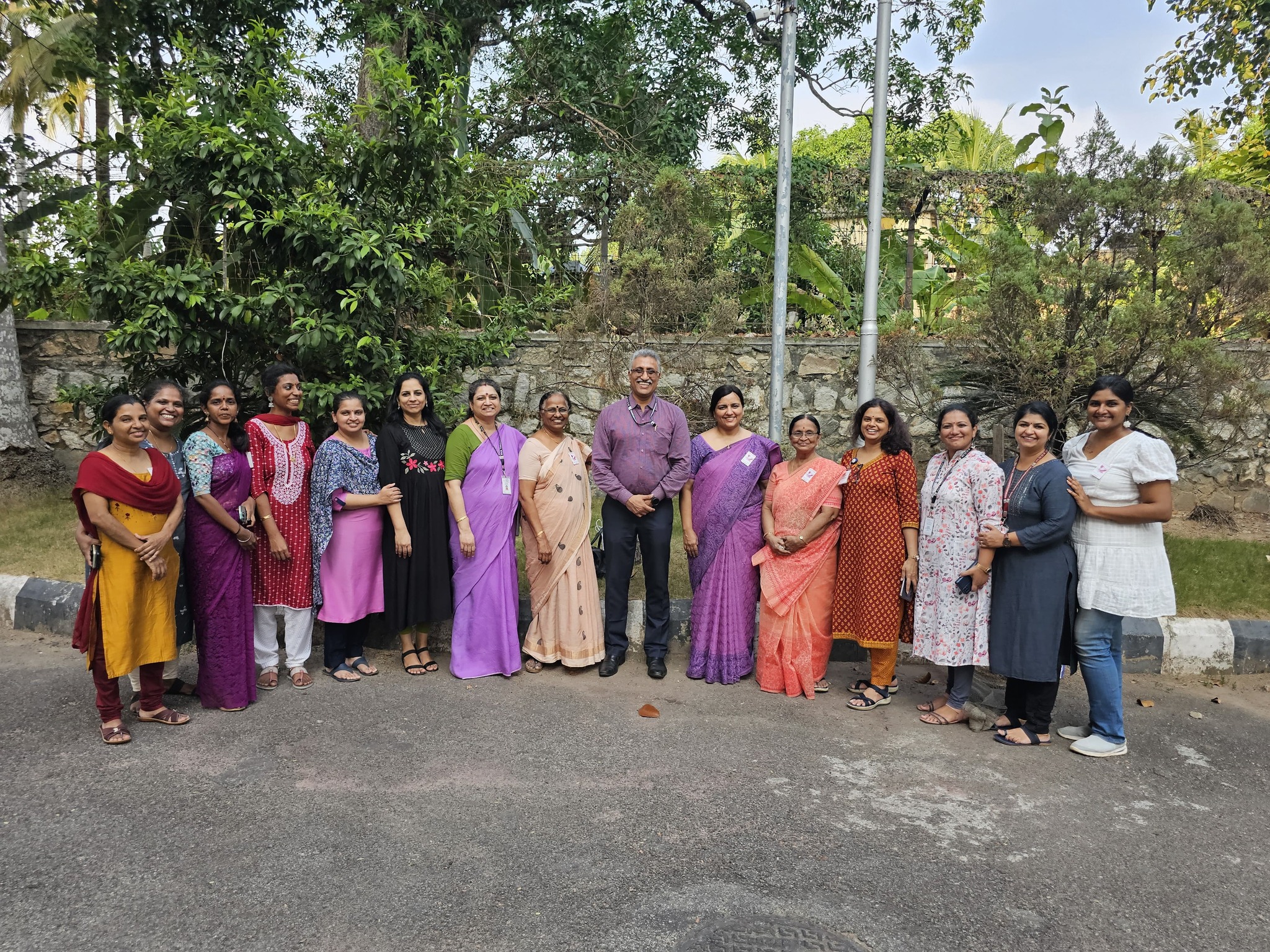
Link to the cover page: https://pubs.acs.org/toc/nalefd/24/12
Link to the article: https://pubs.acs.org/doi/10.1021/acs.nanolett.3c03247
In an age of scientific advancement, women need to take up unique fields as well as learn how to manage emotional intelligence to become empowered themselves, said Dr Tessy Thomas, eminent scientist and the former Director General of Aeronautical Systems, Defence Research and Development Organisation (DRDO).
Dr Thomas was delivering a lecture on 'Invest in Women: Accelerate Progress' as part of the lecture series organised to mark International Women's Day 2024 celebrations of Rajiv Gandhi Centre for Biotechnology (RGCB) on its campus at Jagathy here today.
Currently, the Vice Chancellor of Noorul Islam Centre for Higher Education, Kumarakovil, Tamil Nadu, Dr Thomas was the Project Director for the Agni-IV missile in DRDO and the Project Director (Mission) for the long-range AGNI-5 system.
Known as the 'Missile Woman' of India, she is the first woman scientist to head a missile project in India.
RGCB Director Prof Chandrabhas Narayana welcomed the gathering.
Referring to women's strengths, Dr Thomas said that though women possess unique capabilities like dedication, responsibility, commitment, and passion, their emotional intelligence has to be strengthened to tackle situations that arise in their distinct careers.
She said emotional intelligence is the ability to simultaneously react by keeping one's feelings and responding to others reasonably in challenging situations.
"A woman has to be self-empathetic, self-esteemed, fully committed and aware of situations along with her technical knowhow and leadership qualities. Then she can be an empowered person," Dr Thomas said.
According to her, a woman's intuitive capability and self-confidence are of great importance in her growth.
Noting that there are a lot of opportunities for women within DRDO, the scientist recalled her association with her illustrious peers and personalities like Dr APJ Abdul Kalam, who had instilled in her ample courage and motivation to work.
Commenting on giving equity and respect to the girl child, she said it has to be started within the family to progress in educational institutions and should be promoted at the career level.
In his address, Prof Narayana urged students and researchers to emulate Dr Tessy Thomas by giving cent per cent dedication to their respective fields to emerge as well-known experts.
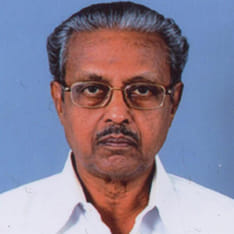
The RGCB family is deeply saddened by the demise of Dr. A Sukumaran Nair, the Founder Director of the organization. He was also the former Vice-Chancellor of Mahatma Gandhi University, Kottayam. We extend our deepest condolences to his family.

Dr Karthik Subramanian, Scientist, Pathogen Biology Program, has been selected as an Early Career Board (ECB) member of the journal "ACS Infectious Diseases".

Dr. Arya Aravind, Veterinary Medical Officer, Animal Research Facility, was honored with the Prof. TV Anil Kumar Comparative Medicine Award for the Best Laboratory Animal Veterinarian of Kerala for the Year 2023 at the Indian Veterinary Association (IVA) Kerala Annual Convention, Colligo - 2 held on 28th & 29th December 2023 at Das Continental, Thrissur.
Dr K R Mahendran, Scientist, Transdisciplinary Biology Program, has been selected as a member of the National Committee for the International Union of Pure & Applied Biophysics (IUPAB) for the term of January 1, 2024 - December 31, 2026, reconstituted by the Indian National Science Academy.
Professor Chandrabhas Narayana, Director, has been selected as the Chairman of the National Committee of International Science Council for the International Union of Crystallography (IUCr) for the term of January 1, 2024 - December 31.
The Indian National Science Academy (INSA) is the adhering organization of IUCr in India, and this nomination was made based on INSA recommendations.
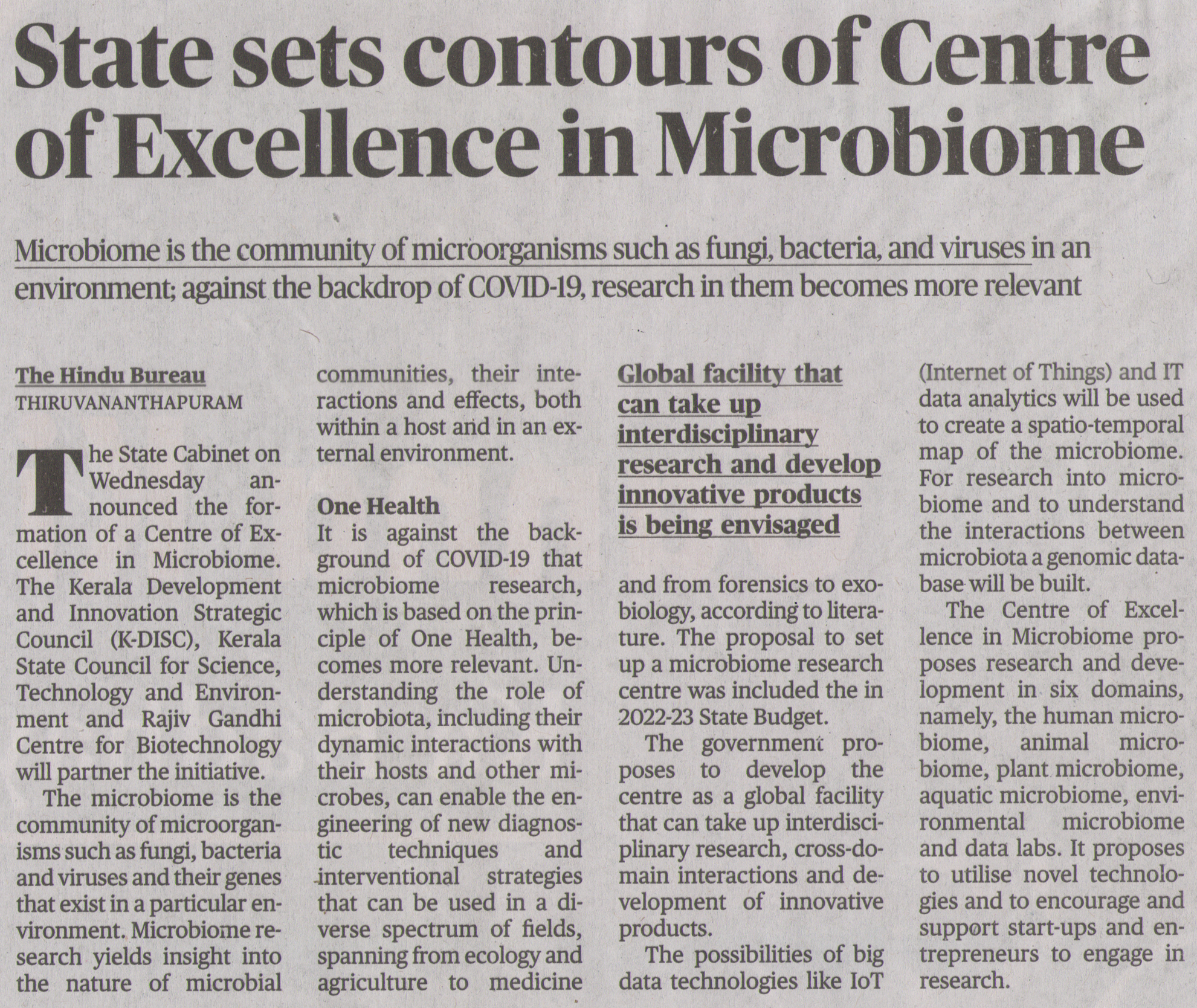
The Kerala State Cabinet announced the formation of a Centre
of Excellence in Microbiome. This will be a joint
initiative of RGCB, Kerala Development and Innovation
Strategic Council (K-DISC), and Kerala State Council for
Science, Technology and Environment (KSCSTE).
Dr.
Sabu Thomas, Former Faculty at RGCB, is the
founding director of the center.
A state-of-the-art bio-safety level-3 (BSL-3) laboratory
under Rajiv Gandhi Centre for Biotechnology (RGCB) began
functioning today, bringing in a new-age facility for
research on viruses with high potential for life-threatening
diseases. This is a dedicated modular-type BSL-3 laboratory
being commissioned in southern India, coming after, National
Institute of Animal Biotechnology (Hyderabad), Indian
Institute of Science (Bangalore) and Manipal Centre for
Virus Research.
While the country has laboratories
functioning exclusively on research of disease-causing
microbes, the BSL-3 category implies those facilities
carrying out studies on risk group-3 agents that can trigger
severe/fatal ailments but with less potential to spread as
an epidemic, revealed RGCB BSL-3 laboratory in charge Dr
Rajesh Chandramohanadas.
Labs need to be of BSL-3
standard for research on disease-causing microbes such as
coronavirus, some varieties of influenza virus and
mycobacterium tuberculosis. Such facilities follow protocols
that contain dangerous viruses through infrastructure and
engineering devices besides guaranteeing the safety of those
working in the lab.
BSL-3 labs focally promotes
research on epidemics, molecular medicines and
biotechnology, while also ensuring instruments for diagnosis
of diseases as well as facilities to develop medicines and
their tests. These will guard people against new and
recurring viral diseases, Dr Chandramohanadas pointed out.
The BSL-3 lab at RGCB will function in association with
other high-profile research institutes, government agencies
and international organisations to contribute to medical
studies amid efforts to enable the public guard against
potential epidemics.
The 1990-instituted RGCB is an
autonomous institute under the union government's Department
of Biotechnology.
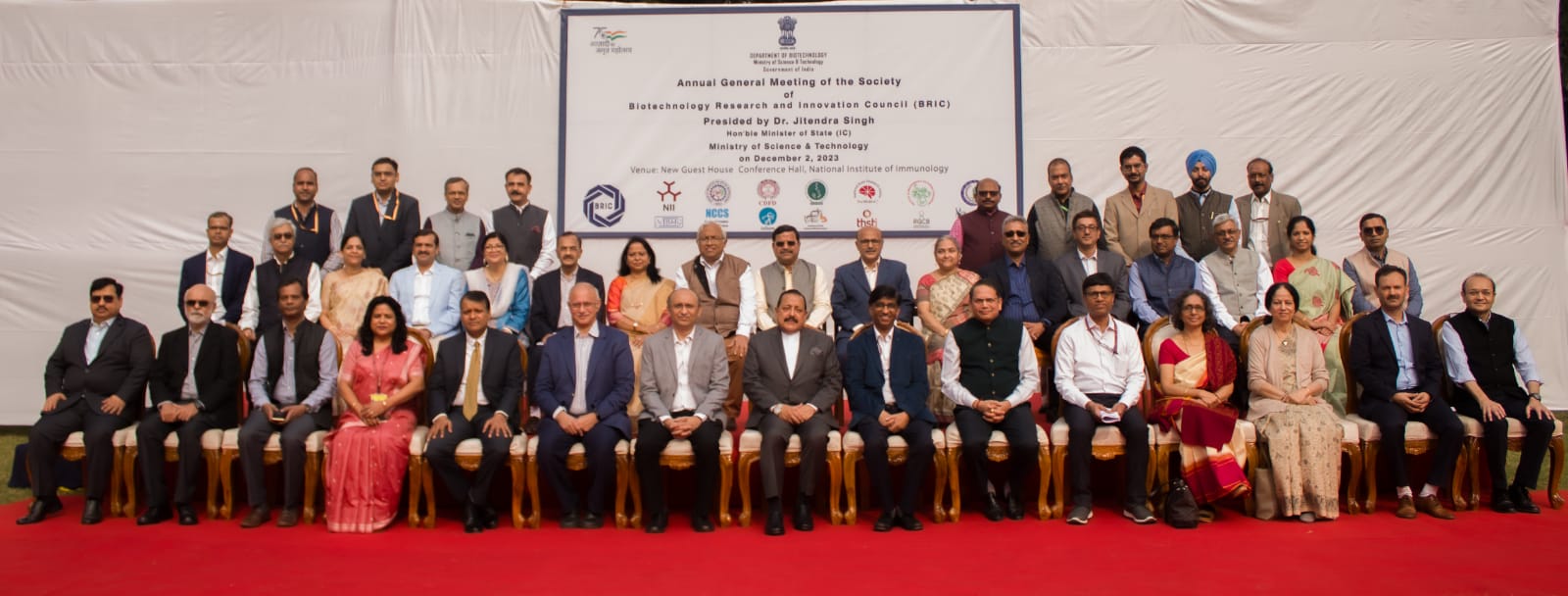
The Department of Biotechnology (DBT) has merged 14 autonomous institutions under it into an apex body called the Biotechnology Research and Innovation Council (BRIC), which will help to streamline governance and outcomes in related research activities.
BRIC was registered as an autonomous institute on November 10, 2023. The BRIC is officially launched today at the Annual General Meeting of the Society presided by Dr. Jitendra Singh, Hon'ble Minister of Science & Technology in the presence of Dr. Rajesh S Gokhale, Secretary DBT and Directors of all the fourteen AI's of DBT.
Rajiv Gandhi Centre for Biotechnology (RGCB) has announced that it will assist all district and taluk hospitals and family groups in Kerala to identify rare paediatric genetic diseases and provide them free genetic testing, support and counselling for these conditions affecting children.
This was announced by RGCB Director Prof. Chandrabhas Narayana, while hosting an awareness programme on Paediatric Rare Genetic Disorders to celebrate International Children's Day. "By organising this awareness programme, RGCB tries to fulfil the mandate of International Children's Day on the right to life, health, education and family life," he added. As per the Ministry of Health and Family Welfare statistics, around 72 to 96 million people suffer from some form of rare condition in India. There are reported 7,000 rare conditions but as per the ICMR's National Registry for Rare Diseases, only 4,000 rare diseases have so far been reported in the country. Reports indicate that 80 per cent of rare diseases are genetic in origin, of which 70 per cent start in childhood.
"It is extremely important that these issues are understood, discussed and addressed by conducting awareness campaigns. It is heartening to note that Department of Biotechnology, Govt. of India, has initiated a nationwide mission mode programme on Paediatric Rare Genetic Disorders (http://praged.cdfd.org.in/), of which RGCB is an integral part," Prof. Narayana said, expressing his full support to achieve the objectives of the project.
RGCB principal investigator Dr Moinak Banerjee appealed to all segments of society to be a part of this mission either through clinical support group, family support group or volunteer support group to address the unique needs of children facing these rare conditions. On the occasion, Dr K. Thangaraj, Programme Coordinator and former Director, CDFD, Hyderabad, shared his extensive experience on population genetics and its significance in resolving rare disease condition.
The event was attended by several collaborating paediatricians and paediatric neurologists who shared their clinical experience on challenges in diagnosing rare paediatric disorders and the way forward. A short documentary, "Vision of the Blind Lady", a brainchild of a passionate scientist, was also screened to spread awareness.

Hearty congratulations to Rakesh S Laishram, Scientist, Cardiovascular Diseases & Diabetes Biology Program RGCB for his selection to the prestigious National Academy of Sciences, India (NASI) as a fellow (FNASc) for his outstanding contributions in our undertaking of eukaryotic post-transcriptional gene regulation. His work has discovered the novel regulatory functions of non-genomic polyadenylation in diverse biological processes.
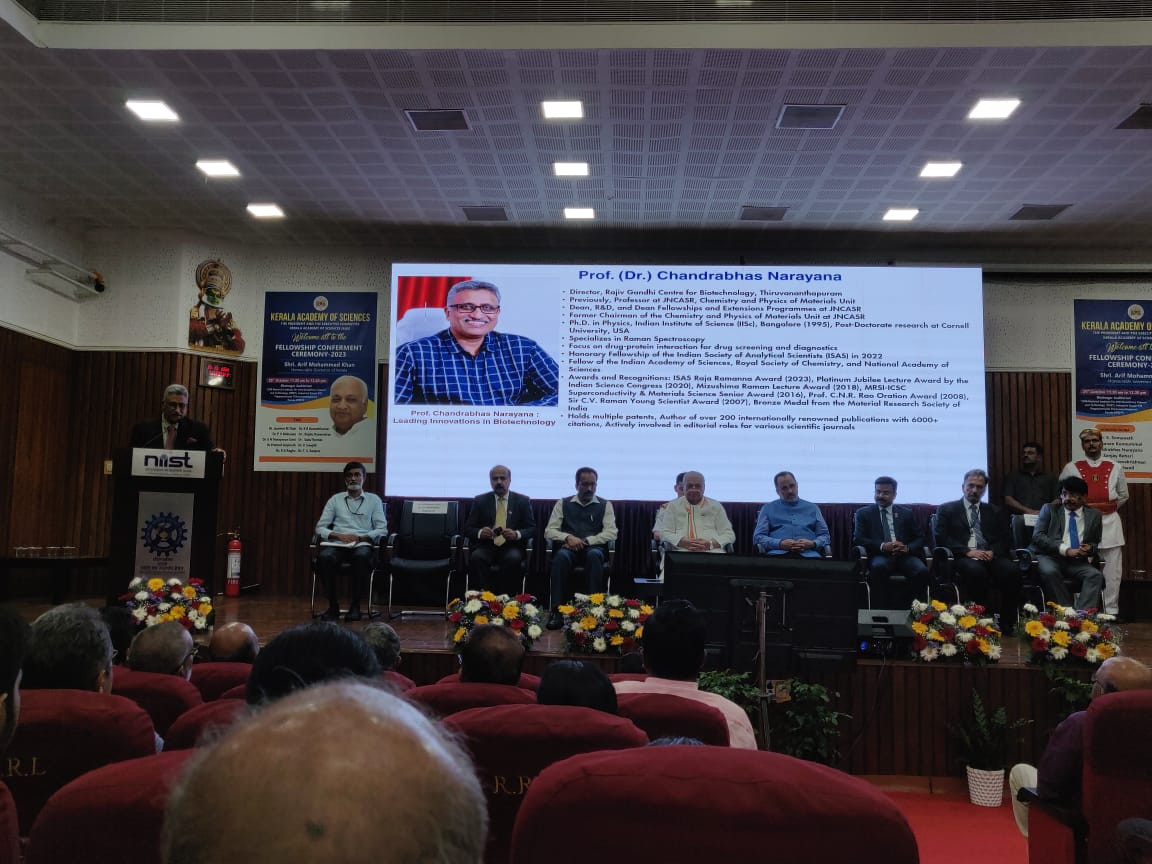
Kerala Academy of Sciences conferred an honorary fellowship (honoris causa) to Professor Chandrabhas Narayana, Director RGCB. This was conferred by Shri. Arif Mohammad Khan, the honorable Governor of Kerala, in a function held at NIIST auditorium, Thiruvananthapuram, on 25th October 2023. KAS recognizes the scientists who have made outstanding contributions to science with the honorary fellowship.



The Government of Kerala has decided to set up a Centre of Excellence in Microbiome with the support and partnership of the Rajiv Gandhi Centre for Biotechnology (RGCB). The proposed centre will operate under the Kerala State Council for Science, Technology and Environment.
Dr. Sabu Thomas, former faculty of RGCB, will be the first director of the centre. Research will focus on six domains: human microbiome, animal microbiome, plant microbiome, aquatic microbiome, environmental microbiome, and data labs.
The laboratory for initial research activities will be established at the RGCB-BIC campus located at KINFRA Park, Kazhakootam.
Six-day workshop organized by RGCB in association with IUIS, IIS, and FIMSA "Immuno-India 2023: Epigenetic Regulation of Immune Responses" started on 1st October, 2023 with an inaugural lecture by Dr. Shekhar Mande, Former DG, CSIR. Professor Chandrabhas Narayana, Director RGCB welcomed the gathering and introduced the speaker.
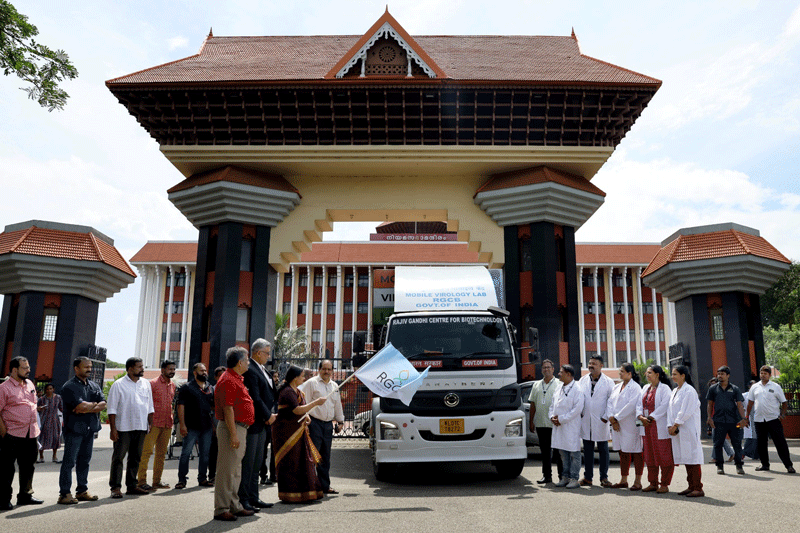
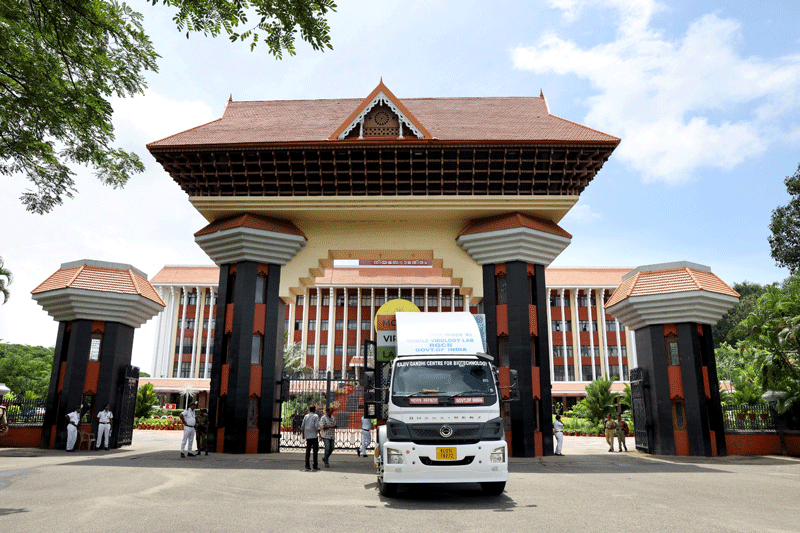
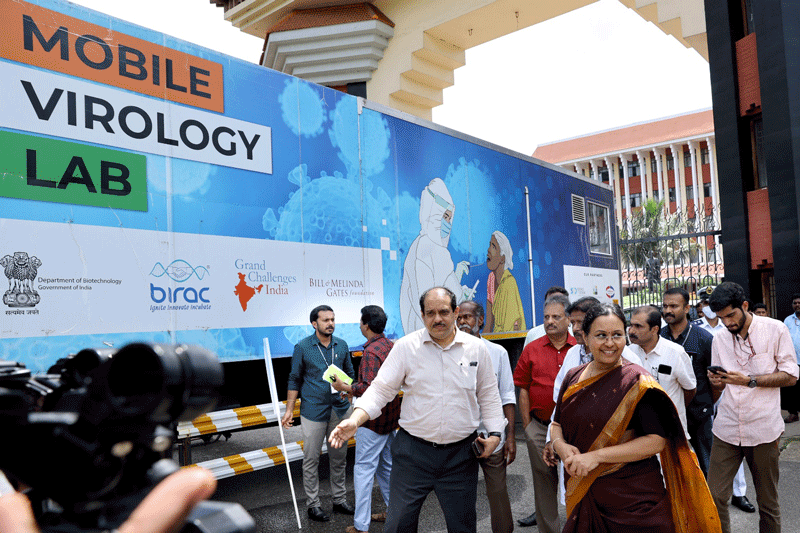
The self-contained mobile virology testing unit of RGCB is flagged off on 14 September, 2023 by Mrs. Veena George, Hon'ble Minister for Health & Family Welfare, Government of Kerala, in the presence of Mr. Mohammed Hanish IAS, Principal Secretary, Health and Family Welfare Department, GoK, Professor Chandrabhas Narayana, Director, Mr. S. Mohanan Nair, Chief Controller, Dr. Radhakrishnan R Nair, Scientist-In-Charge, RGCB-LMMD, Mr. R Kumar, Deputy Controller of Finance and Dr. R. Ashok, Consultant RGCB-MLS.
This mobile unit will be operated by a highly experienced staff with over eight years of expertise in molecular diagnostics from RGCB-LMMD. It is equipped with cutting-edge machinery for testing viruses, bacteria, fungi, and food quality. The inventory includes PCR machines, gel documentation systems, centrifuges, -80°C freezers, DNA/RNA extractors, and more. The lab is fully connected to RGCB for rapid data analysis and reporting.



A team of researchers at RGCB has found that dengue, a
recurring tropical disease that witnesses an outbreak in the
monsoon, becomes more severe and hostile in animal models when
its virus (DENV) while being grown in mosquito-derived cells is
exposed to higher environmental temperature. The
ground-breaking research, which can phenomenally help in
predicting and mitigating the severity and virulence of dengue,
has assumed critical importance as it seeks to establish the
impact of global warming on the disease, with an estimated
global disease burden of 390 million cases per year (WHO).
"Dengue being a mosquito-transmitted disease, the ability of
the causative virus to grow in the cells of mosquito as well as
in human is a critical factor in viral virulence. The body
temperature of mosquitoes is not constant as in higher animals
and it increases or decreases with the environmental
temperature," says Dr. Easwaran Sreekumar, the team leader of
the research that has been published recently in the
prestigious The Federation of American Societies of
Experimental Biology (FASEB) journal of America.
"So far
it is not known whether the higher temperature growth condition
will affect the virulence of the virus. For the first time, our
recent study points that there is such a possibility. DENV
cultured at a higher temperature in mosquito cells was
significantly more virulent than the virus grown at a lower
temperature," point out the researchers. The team of
researchers at Rajiv Gandhi Centre for Biotechnology (RGCB)
here comprised Ayan Modak, Srishti Rajkumar Mishra, Mansi
Awasthi, Sreeja Sreedevi, Archana Sobha, Arya Aravind, Krithiga
Kuppusamy, and Easwaran Sreekumar.
"In seasons of
enhanced environmental temperature, with intermittent rainfalls
promoting mosquito growth, there is a chance of emergence of
more virulent dengue virus and severe disease conditions. In
the dengue outbreaks happening in various parts of the country,
this aspect has never been looked into. Our study alludes to
the growing implications of global warming and its possible
effects on infectious disease dynamics," the researchers added.
It was earlier observed that a relatively higher environmental
temperature shortens the incubation period of the virus in
mosquitoes, resulting in an increase in human transmission.
RGCB Director Prof Chandrabhas Narayana said the researchers
have been making efforts to understand why dengue becomes
serious at times. "But even after decades of research, there
are still no effective vaccines or antivirals to control or
prevent the recurring disease. This study has major
implications in predicting severity of dengue outbreaks." The
study was conducted in a mouse model, where the virulent strain
obtained from the higher temperature growth caused enhanced
presence of viruses in the blood, haemorrhage, severe tissue
changes in vital organs such as heart, liver, and kidney, which
are the hallmarks of the disease, and even death.
Dengue
is a viral infection caused by DENV and transmitted to humans
through the bite of infected mosquitoes. Globally, the
incidence of dengue is on the rise over the years, with a
corresponding increase in the disease severity and fatality.
While in majority of the patients, the disease is mild and
self-limiting; in some patients, it causes life-threatening
thrombocytopenia (extremely low platelet count in blood) and
shock syndrome.
The RGCB family is deeply saddened by the untimely death of Padma Shri Prof. M.R.S Rao, Professor and Former President, JNCASR, Bengaluru and former Professor IISc. He was associated with RGCB in several capacities: Chairman faculty selection committee, and member Scientific Advisory Committee. Dr Rao also delivered the foundation day lecture on 19th November 2021. We extend our deepest condolences to his family.
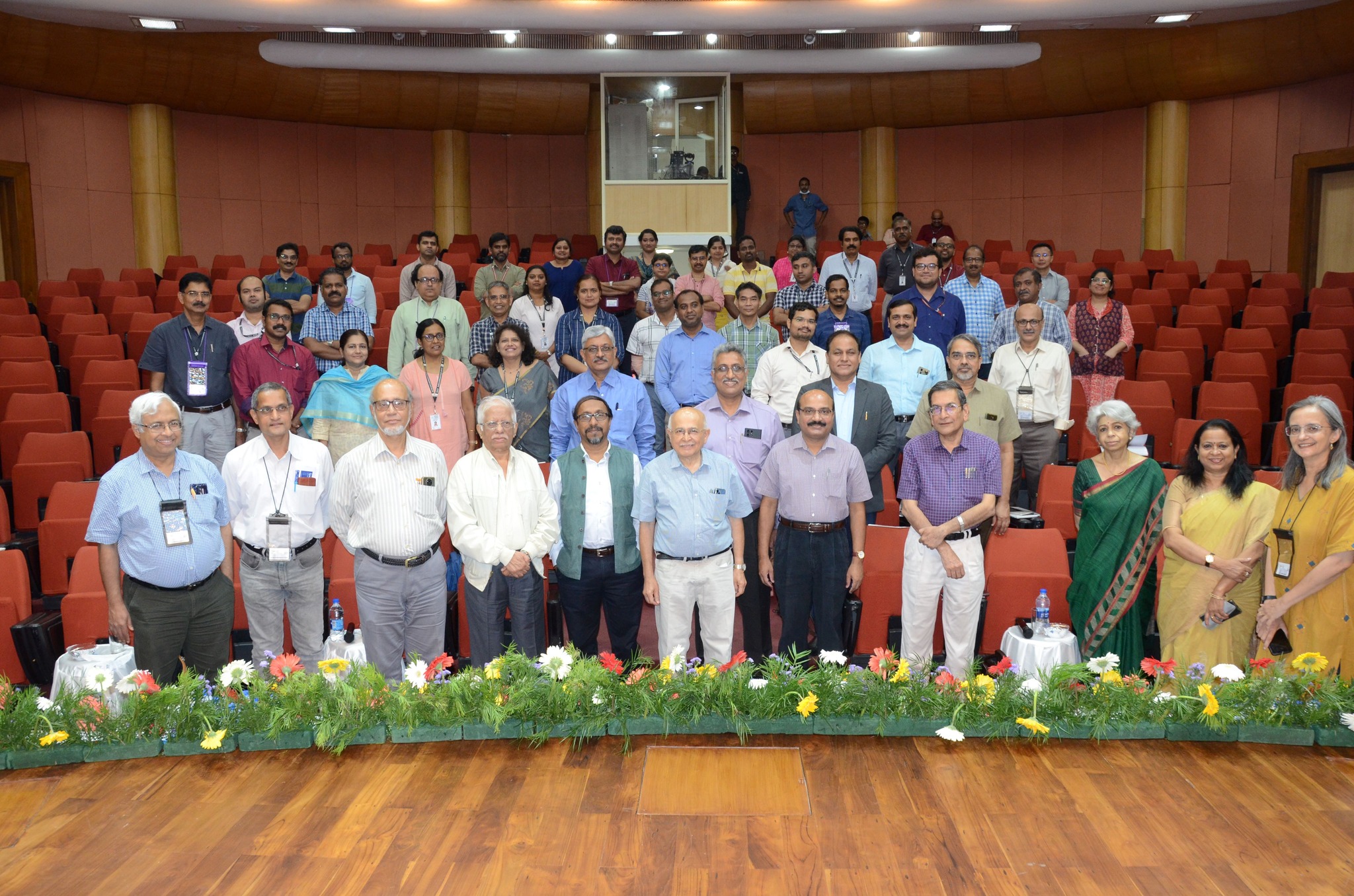
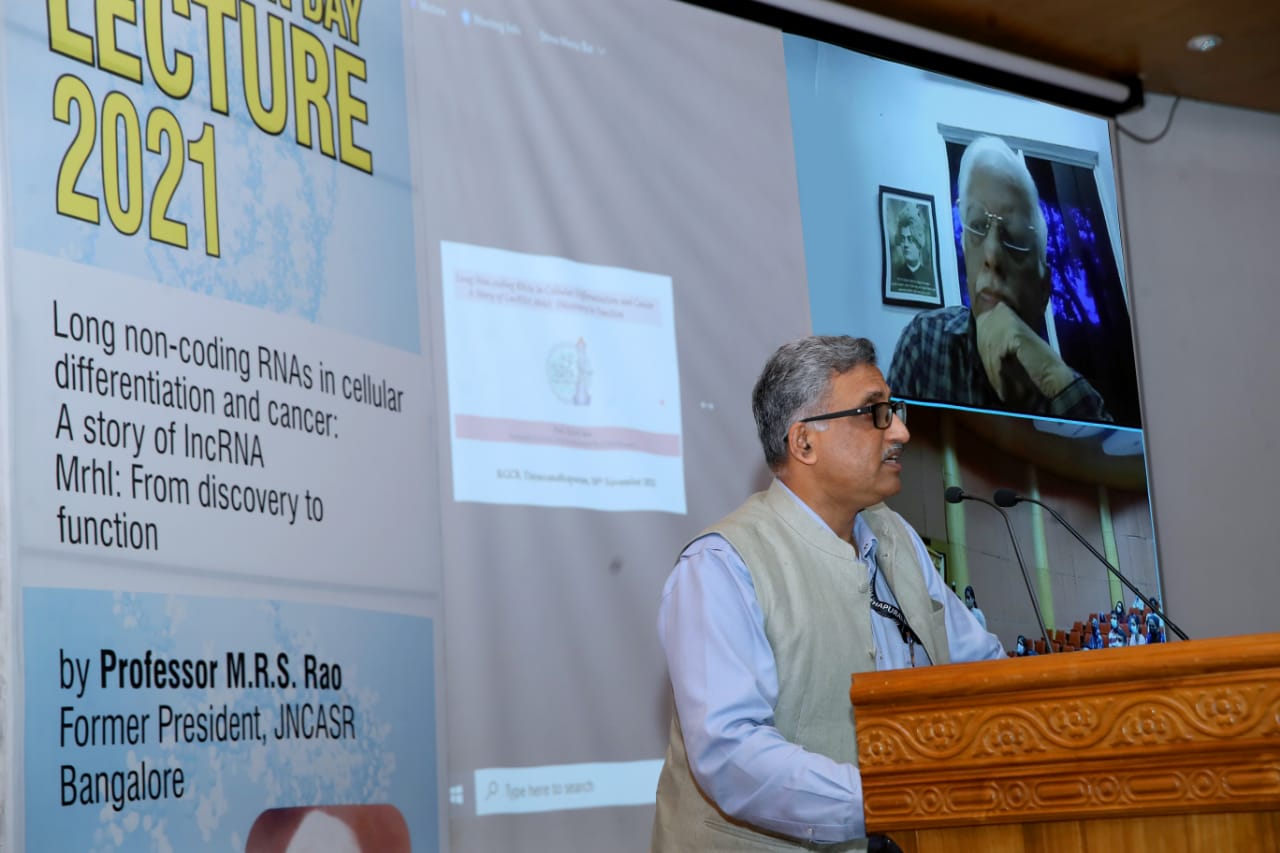
The first comprehensive Bio-safety Level-3 Laboratory at the Rajiv Gandhi Centre for Biotechnology (RGCB) here has been approved by Department of Biotechnology, Govt. of India, to carry out research activities involving live infectious organisms classified as BSL-3 agents, such as SARS-CoV-2 and avian influenza. RGCB's BSL-3 modular facility has been set up at its new campus located at Aakkulam. RGCB Director Prof. Chandrabhas Narayana said the new BSL-3 Lab will foster collaborations across industry, academia and clinical partners to develop novel drugs and vaccines against pathogens of regional relevance. "The laboratory will also serve as a core platform to undertake ground-breaking research on zoonotic infectious agents and pathogen adaptations towards future pandemic preparedness," he added.
Dr. Saraswati Nayar, Program Scientist, Plant Biotechnology & Disease Biology program, RGCB won the prestigious INSA Young Scientist award.
Dr. Nayar demonstrated for the first time the LONELY GUY, a putative cytokinin activating enzyme, has a role in cell division, cell growth, and chloroplast function of Chlorella. LONELY GUY's overexpression led to the formation of a stay-green phenotype and a high biomass-producing strain in Chlorella. She also characterized a MADS box transcription factor (TF) for the first time in Coccomyxa subellipsoidea, a unicellular green microalga. She discovered that this TF homodimerizes to localize precisely in the nucleus.
The Rajiv Gandhi Centre for Biotechnology (RGCB) opened a Science Museum at Meppadi in Wayanad district, carrying forward the Union government objective to promote scientific approach among the students as well as local communities.
RGCB Director Dr Chandrabhas Narayana handed over the state-of-the-art facility to the Principal of the Government Higher Secondary School, Shri Moncy Joseph. It is among the 75 such museums the Centre has planned as part of nation-wide Azadi Ka Amrit Mahotsav which also promotes public awareness about scientific intervention through bio-resources.
The museum, which was developed and guided by Dr Narayana with core focus on biotechnology, has been conceived to reach out to students to inspire them for a career in science while celebrating the history and future of research as well as innovation in the country. With a view to providing updates on new scientific discoveries, the museum has the potential to attract students to the field of research in science and technology.
Dr Narayana said Covid-19 has kindled unprecedented interest among common people on biotechnology. Noting that the new museum goes beyond conventional features, he pointed out that "it, for instance, features the model of a body to show all its functions," at the function in Meppadi on Wednesday. "Our idea is to inculcate scientific temper among the public at large, with the Department of Biotechnology cooperating with RGCB in the project."
The function was followed by a science workshop for students. It was led by experts Dr T.R. Santhosh Kumar, Dr Sabu Thomas and Dr Tessy Thomas.
The museum, besides displaying a variety of research equipment, will host lectures, seminars, scientific camps and outreach programmes at its premises. The highlights of the facility include videos, posters and graphic representations of research findings, global research scenario and bio-resources management including plant tissue culture and GM crops. It also displays instrument used in biotechnology applications and research, lending the ambience of a well-equipped laboratory.
The RGCB, headquartered in the state capital, is an autonomous institute under Union government Department of Biotechnology. With Discoveries for a better tomorrow as its mission, the centre strives for sustainable use of resources through biotechnological interventions for the socio-economic growth of the region.
The state-of-the-art Science Museum developed by the Rajiv Gandhi Centre for Biotechnology (RGCB) at the Government Higher Secondary School at Meppadi in Wayanad district will be dedicated on January 18, which is one of the 75 such museums planned as part of Azadi Ka Amrit Mahotsav across the country to promote scientific temperament among students.
RGCB Director Prof Dr Chandrabhas Narayana will hand over the museum to the school authorities at a function on the campus at 9.30 am, which will be followed by a science workshop for students. The project has been envisaged and implemented by RGCB and the Department of Biotechnology, Government of India, with the objective of promoting a scientific approach among the students and the local community, besides creating general awareness about scientific intervention through bio-resources.
Conceived and developed under the guidance of Prof Narayana, the museum, which has its special focus on biotechnology, will reach out to students to inspire them for a career in science and technology while celebrating the history and future of research as well as innovation in the country. "Wayanad is one of the prime biodiversity hotspots of the Western Ghats. It is also an important region of tribal population where ethnic culture and invaluable traditional knowledge are preserved. This is why Wayanad was chosen under the project," said Prof Narayana.
Besides displaying a variety of research equipment, lectures, seminars, scientific camps and outreach programmes will be organised as part of the activities of the museum for the benefit of students, teachers and the local community. The highlights of the museum include video screening, display of posters and graphical representations of research findings, global research scenario and bio resources management including plant tissue culture, GM crops.
Every instrument used in Biotechnology applications and research are exhibited, most of which are in working condition, giving the museum the ambience of a well-equipped laboratory. This museum will be instrumental in fostering scientific temperament among students in the region, where RGCB will make several outreach activities to promote it in all aspects. The RGCB, Thiruvananthapuram, is an autonomous institute under Department of Biotechnology, Government of India, with the mission on 'Discoveries for a better tomorrow' and their sustainable use through biotechnological interventions for the socio-economic growth of the region.

Dr Dhanya R, ICMR-DHR Young Scientist (Mentor: Dr Rakesh S. Laishram, Scientist E-II), Cardiovascular Diseases & Diabetes Biology Program, RGCB won Kerala State Young Scientist Award-2022 by the Kerala State Council for Science, Technology and Environment (KSCSTE).
The Award carries cash award of Rs. 50,000/-, Chief Minister's Gold Medal, research grant up to Rs. 50 lakh and travel support for a visit abroad for presenting the research work at a conference. The Award will be given by the Hon'ble Chief Minister of Kerala on the 12th February 2023, during the inaugural session of the 35th Kerala Science Congress at Mar Baselios Christian College of Engineering, Kuttikkanam.
The prestigious Kerala state young scientist award has been given for the contributions in the field of Health science. We developed cardiomyocytes or heart cells from skeletal muscle stem cells (satellite cells) by transcriptional reprogramming. The satellite cell derived cardiomyocytes possess the migratory characteristic of satellite cells and functional properties of cardiomyocytes. These cells, when injected into the systemic circulation of myocardial injured animal models, migrate to the myocardial injury site, get intercalated with the resident cardiomyocytes and improve the cardiac functional parameters. In humans, about 1 billion cells die during a heart attack or myocardial infarction which will not regenerate to cope with the loss, but heals by forming scar tissue. This compromises the cardiac contractility and can eventually lead to cardiac failure. Currently, no therapies are available to induce formation of cardiomyocytes in damaged hearts, the only feasible remedy is transplantation. This revolutionary conceptualization will raise the possibility of reprogrammed satellite cell based therapies for cardiac repair.

Dr. Karthika Rajeeve, Scientist EI, Pathogen Biology Program
RGCB, recently featured in She Sight magazine
Dr. Chandra Vadhana interviewed Dr. Karthika and the
link to the YouTube interview is here.
Dr. Karthika Rajeeve, Scientist EI, Pathogen Biology
program, was selected for the Ben Barres Spotlight Award
2022.
Ben Barres Spotlight Awards
The Hindu

Dr. Priya Srinivas, Scientist G, Cancer Research program, selected for the Short Term ICMR-DHR International Fellowship for Senior Scientists (2022-23)
Union Minister Dr. Jitendra Singh announces India's first indigenously developed vaccine, "Ceravac" for the prevention of cervical cancer. The Rajiv Gandhi Centre for Biotechnology (RGCB) is contributing significantly to determining the efficacy of Cervavac, India's first indigenously developed vaccine for the prevention of cervical cancer, the second-most prevalent cancer among women in the country. Cervavac was developed by the Serum Institute of India in coordination with the Department of Biotechnology (DBT). "RGCB, as the scientific partner and stakeholder in this effort, has made significant contributions to the country's determined efforts to eliminate cervical cancer," its director Prof Chandrabhas Narayana said. "The RGCB laboratory for HPV testing facility is qualified as per international standards set by the WHO."
At the launch function in the national capital, Dr. Devasena Anantharaman, the scientist who is heading the project at RGCB was invited as an expert to discuss the current status of HPV diagnostics and the future directions for academic research in this area. Dr. Anantharaman said vaccination against HPV is the most effective intervention for preventing cervical cancer. "Vaccines mimic natural infections resulting in the development of specific antibodies. In the case of the qHPV vaccine also, the efficacy is measured by the development of antibodies against each type of HPV present in the vaccine," she pointed out. Various online and print media gave wide coverage to the contribution by RGCB.
Various online and print media gave wide coverage to the contribution by RGCB.
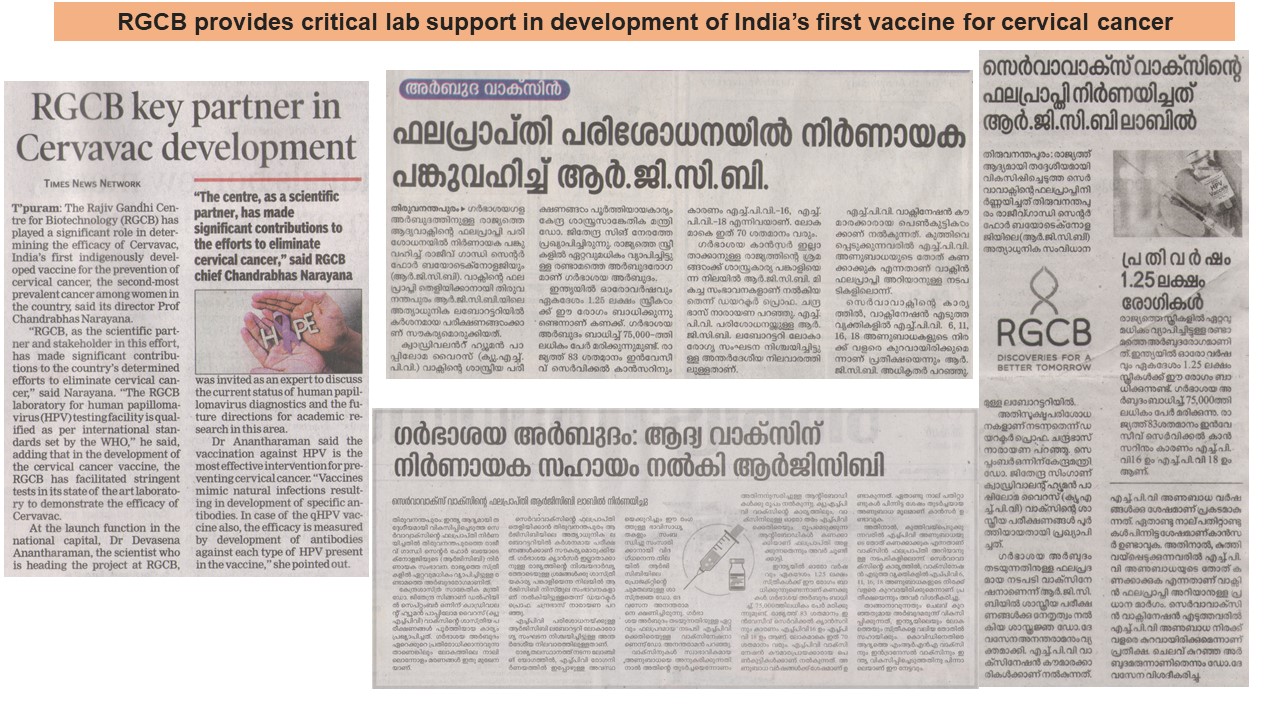
Gender Advancement for Transforming Institutions (GATI) is a DST initiative to promote gender equity in science and technology. RGCB is one of the 30 selected institutions under this pilot project.
The awareness program featured talks by district collectors and members of the RGCB-GATI team. It was a significant step toward gender-inclusive scientific progress.
?? View Gallery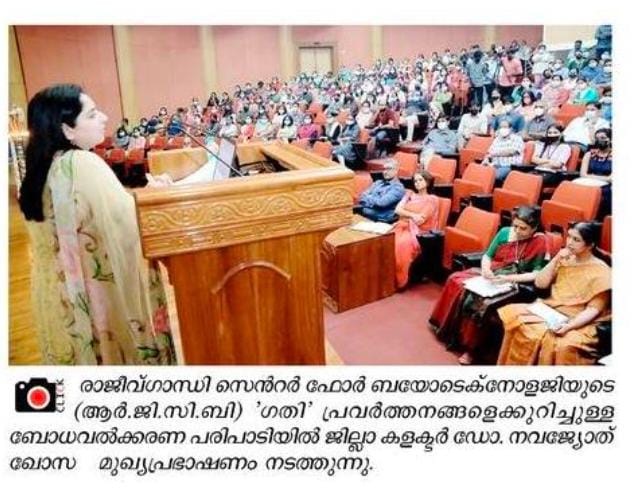

On June 27th, World Microbiome Day, Professor Chandrabhas Narayana, Director of RGCB (DBT, Govt. of India) released the first copy of the book Human Microbiome: Clinical Implications and Therapeutic Interventions, edited by Dr. Sabu Thomas and team- Dr. Aparna Shankar, Lekshmi N, Karthika S, & Ms. Merin Paul in the presence of Dr. T.R. Santhosh Kumar (Dean) and Mr. S. Mohanan Nair (Chief Controller).
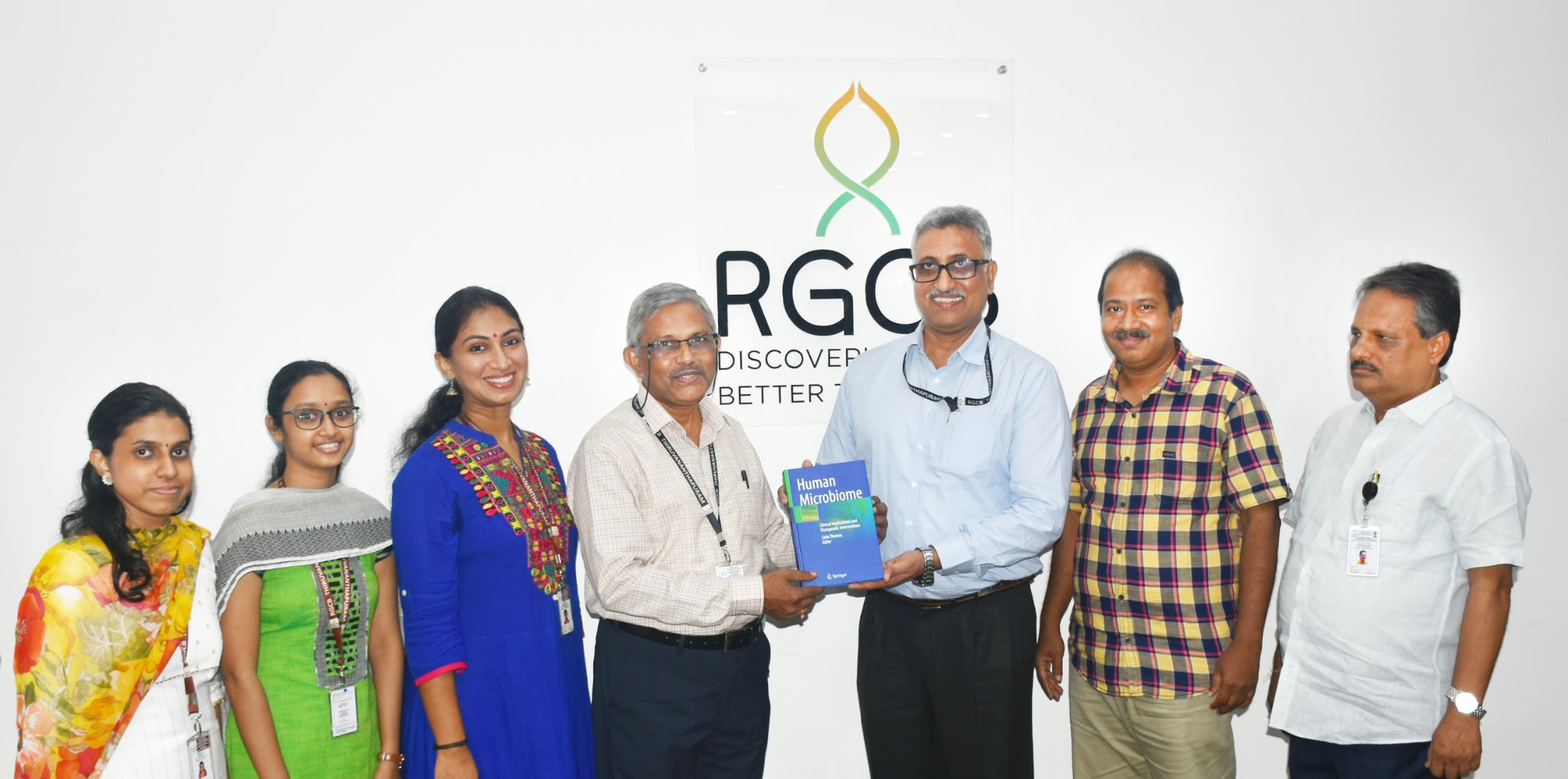
27th June is celebrated as World Microbiome Day. The
theme for World Microbiome Day 2022 is "Celebration of The
Microbial World" (worldmicrobiomeday.com).
On this occasion Dr. Sabu Thomas, Scientist F, RGCB wrote an
editorial to create awareness in the general public.
Click Here
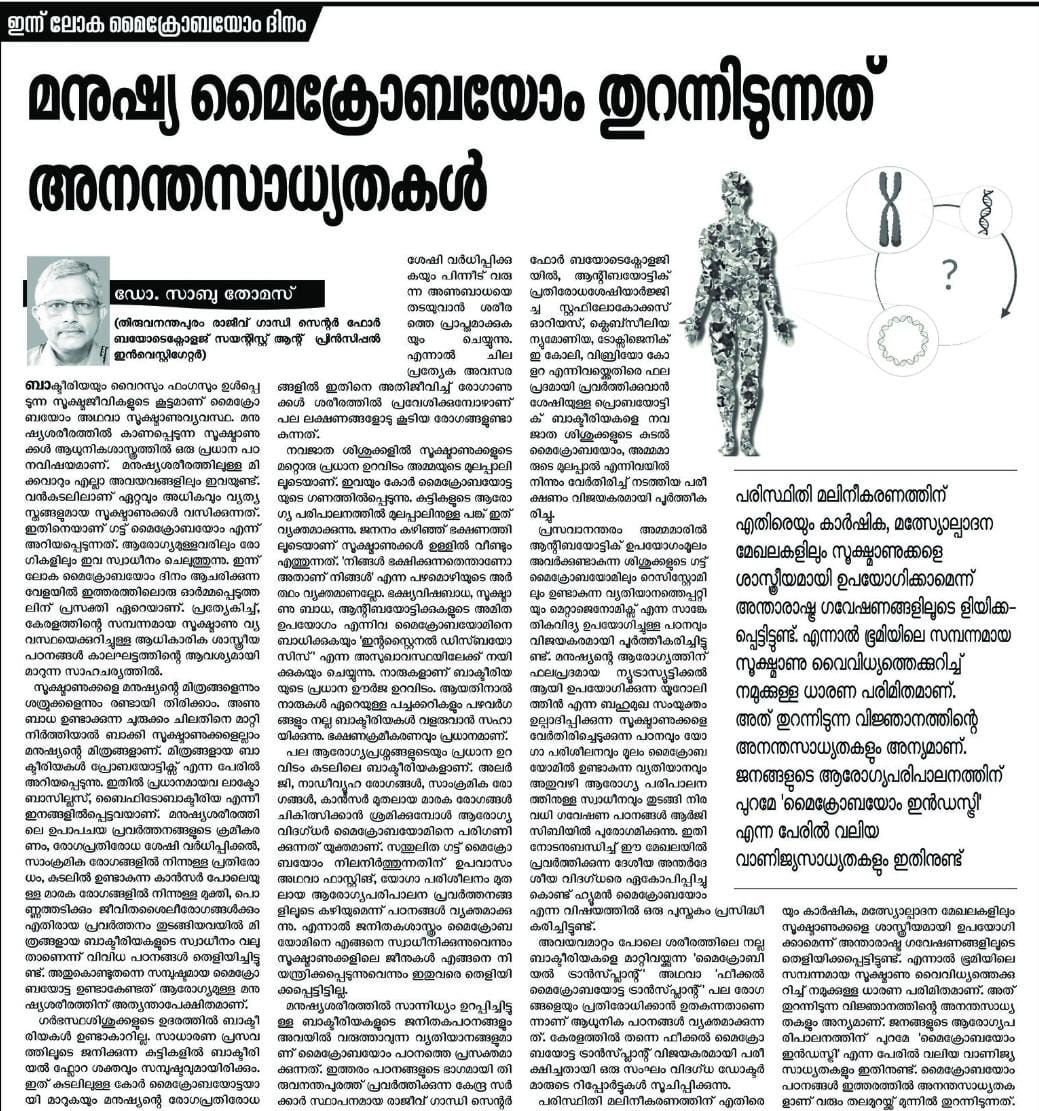
Eight students of the RGCB M.Sc Biotechnology program cleared the DBT-BET 2022

Dr. Rakesh Singh Laishram, Scientist E-II and Swarnajayanti
Fellow, Cardiovascular Biology Program, was selected as a
member of the prestigious Guha Research Conference.
http://115.111.90.204/node/1
'Gau Mitra' app is developed by Rajiv Gandhi Centre for Biotechnology with DST support...
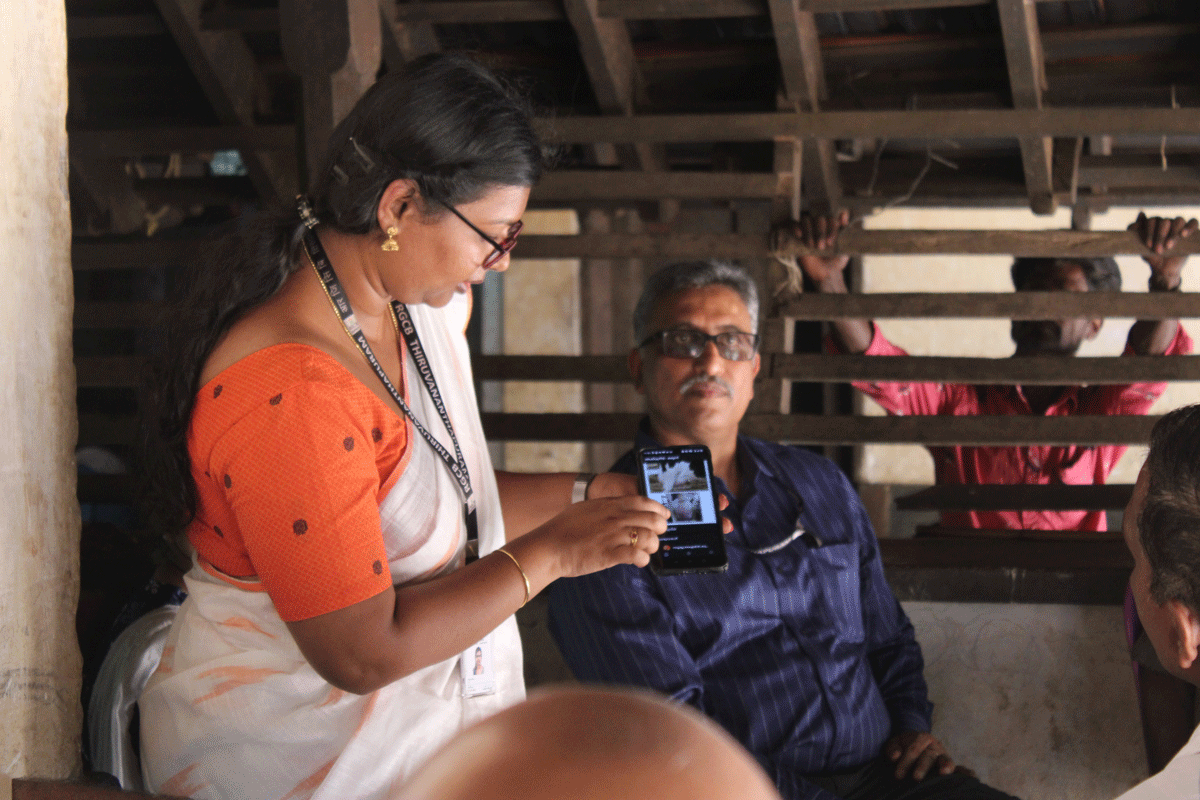
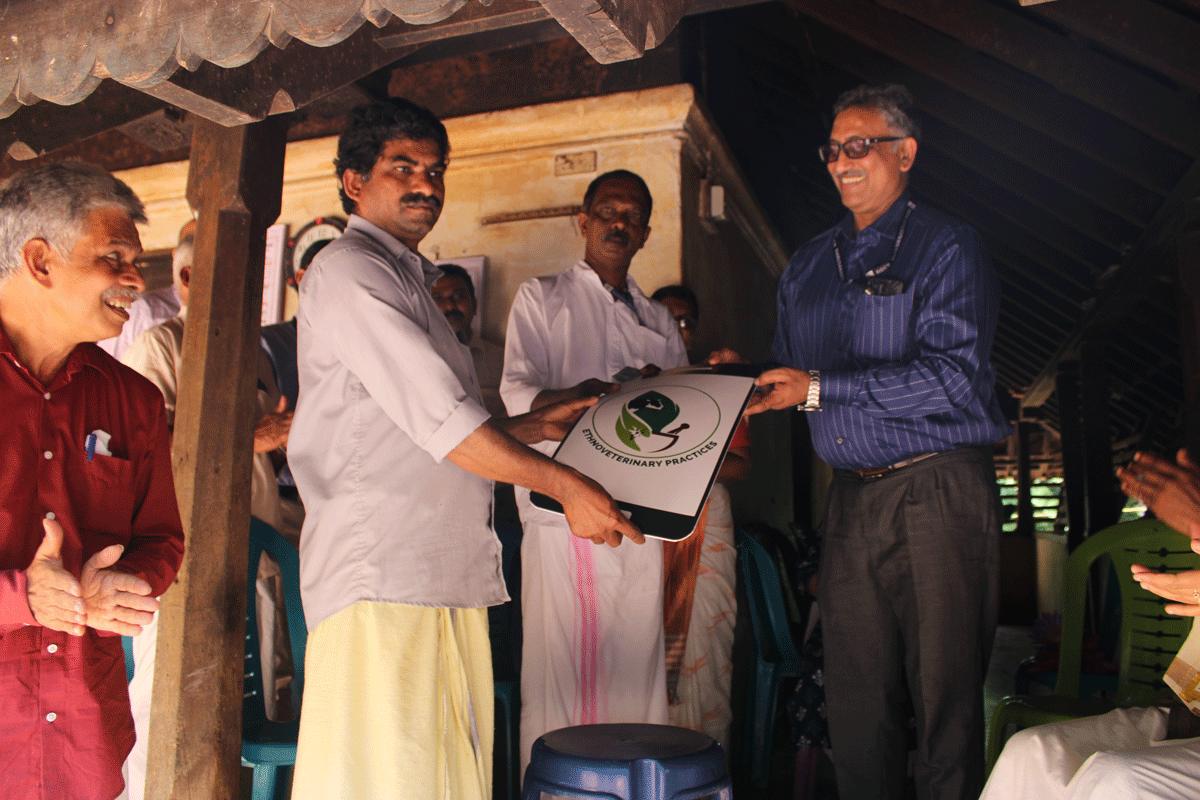
Professor Mamannamana Vijayan, the doyen of crystallography research in India passed away today. He was born in Cherpu, Thrissur district of Kerala on 16 October 1941. He completed his studies at Kerala Varma College and Allahabad University. He then joined IISc Bangalore for his Ph.D. program in X-ray crystallography under the guidance of Professor MA Viswamitra. He joined the laboratory of Nobel laureate Dr. Dorothy Hodgkin at the University of Oxford. During his stay at Oxford, he was involved in the landmark paper describing the structure of insulin, published in Nature in 1960.
Later in 1971, he joined the Molecular Biophysics Unit of IISc and continued there to date. Undoubtedly he established protein crystallography research in India. His major areas of research were structural studies involving lectins, Mycobacterium tuberculosis, and other mycobacterial proteins. His studies have opened up several avenues for structure-based inhibitor design. He has been the President of the Indian Biophysical Society, Indian National Science Academy, and founder President of the Indian Crystallographic Association. He is a member of all the three science academies in India. He received numerous awards in his career including the SS Bhatnagar Award, the first GN Ramachandran Medal by INSA, Distinguished Alumni Award by IISc, Ranbaxy Research Award, Kerala Sastra Puraskaram, etc. The Government of India conferred him with Padma Shri in 2004.
He was closely associated with KSCSTE and Kerala Biotechnology Commission and was involved in formulating the Kerala Biotechnology policy. His autobiography "A Life among Men, Women, and Molecules: Memoirs of an Indian Scientist" was published by INSA in 2020. Professor Vijayan was associated in several capacities at RGCB since its beginning. His untimely demise leaves a large void in the field of Indian Science and Protein Crystallography. The Director, faculties, and staff of RGCB express their deep sadness and convey heartfelt condolences to the bereaved family.


Dr. Malini Laloraya, Scientist G, Molecular Reproduction Division of RGCB, gets the first DBT-supported project in the country on creating patient-derived endometrial organoids. These organoids are used as a tool to understand "Recurrent Implantation Failure" a phenomenon often described as the black box of human reproduction which presents a significant challenge for clinicians.
Dr. Vijay Bhatkar, an Indian computer scientist, educationalist, and brain behind the development of Param supercomputers gave the inaugural lecture on the topic "Use of Artificial Intelligence and Machine Learning in Health Care" during the 16th Scientific Advisory Committee (SAC) meeting of RGCB.
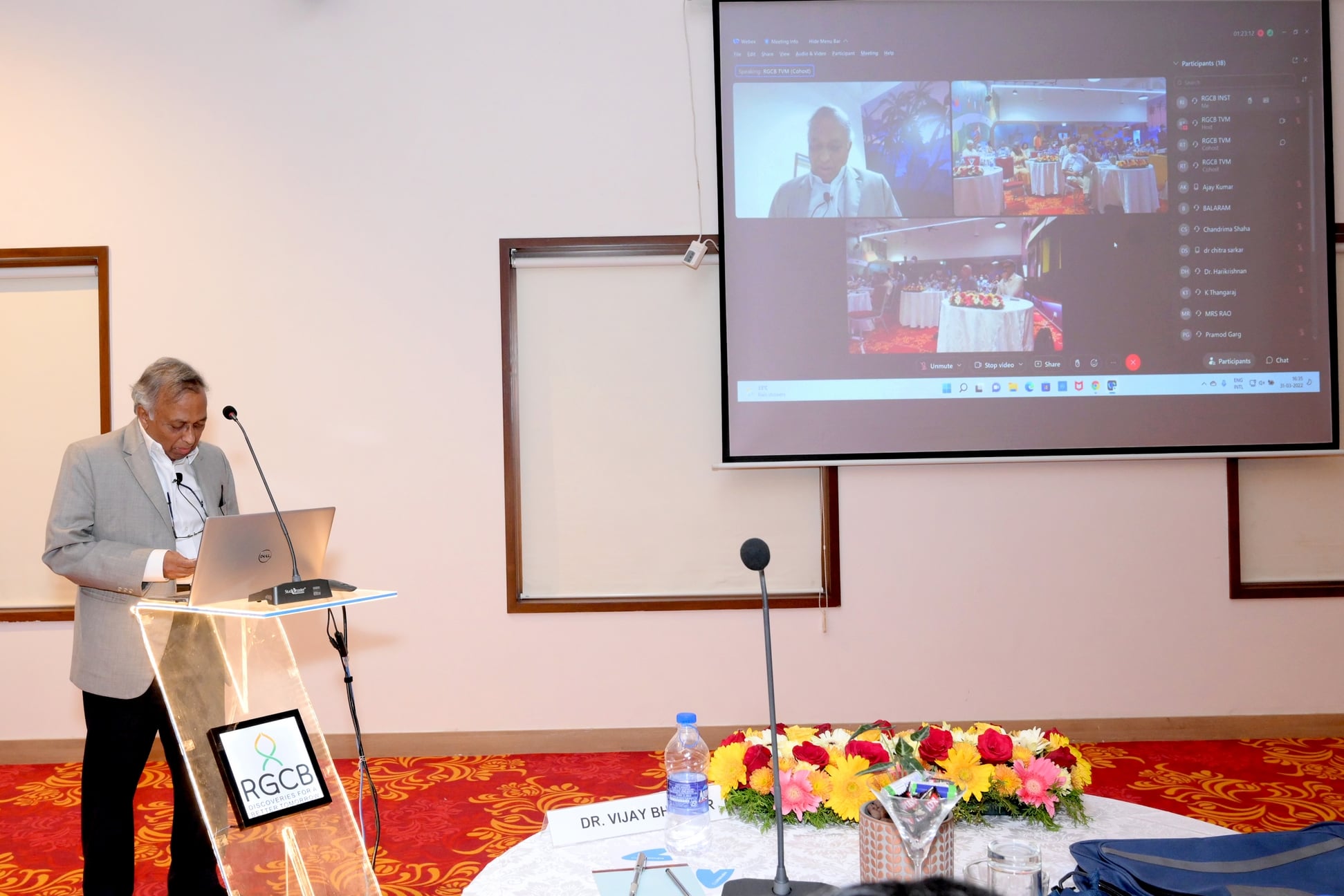
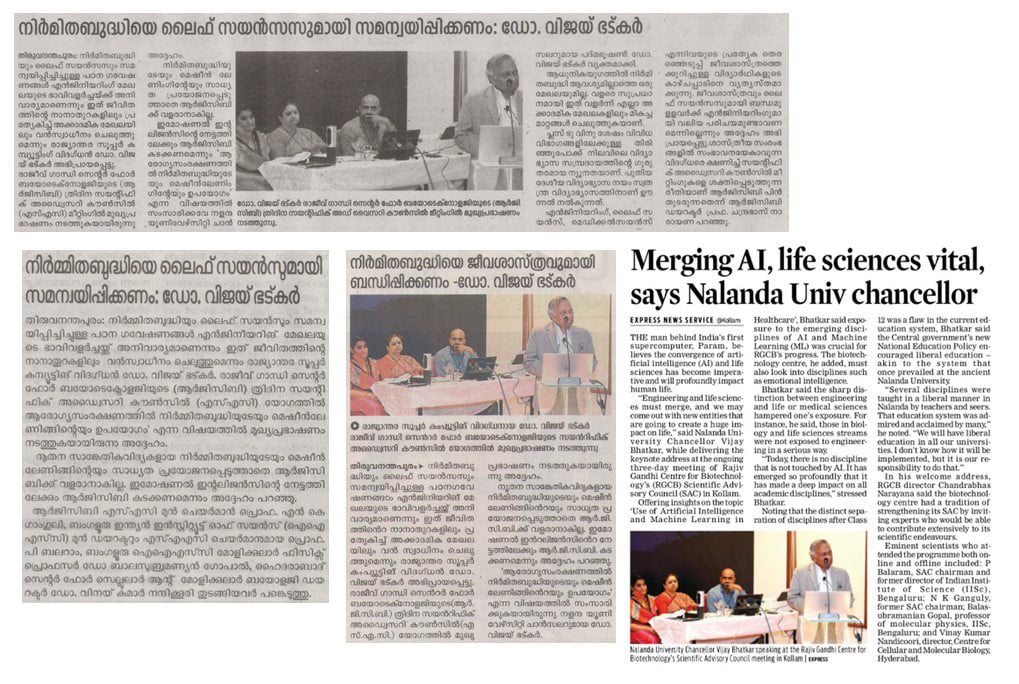
The students of the RGCB M.Sc Biotechnology program cleared the CSIR/UGC examination, 2022. Hearty congratulations to all the successful candidates.
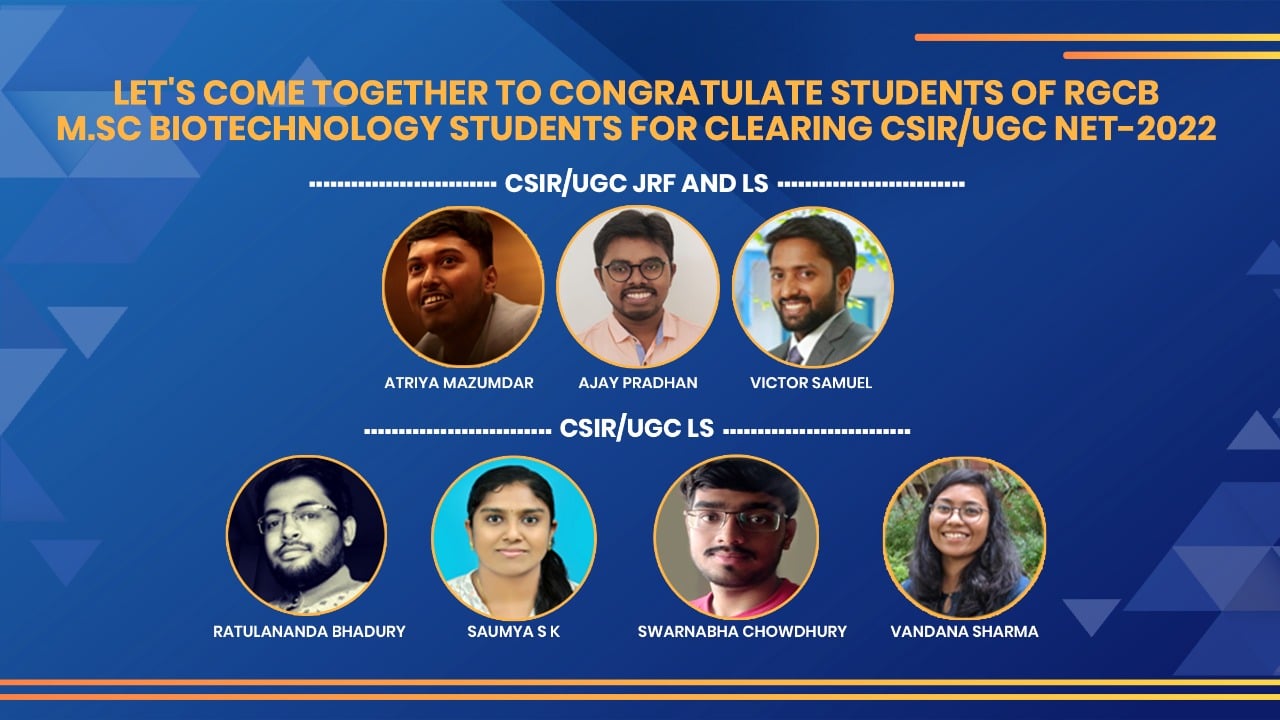
The students of the RGCB M.Sc Biotechnology program cleared the GATE-2022 examination. Hearty congratulations to all the successful candidates.
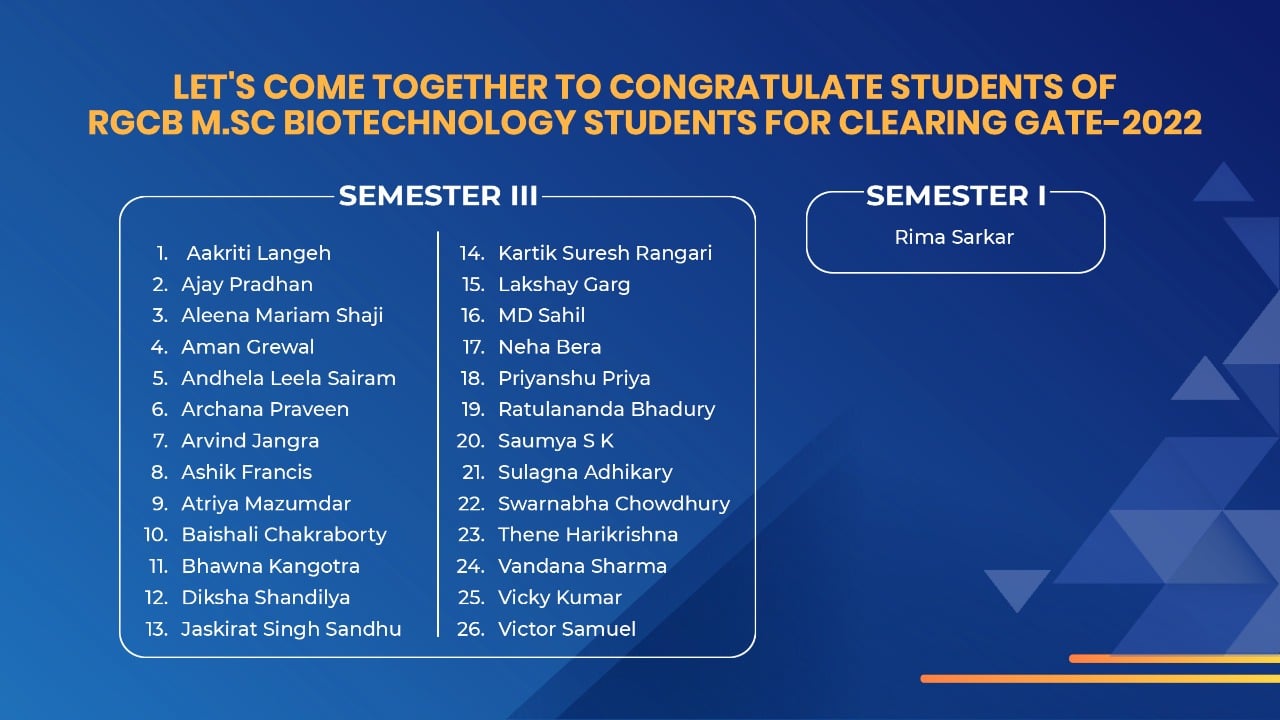
Dr. Sabu Thomas, Scientist F, Pathogen Biology Program, was selected for the Best Scientist Award of UTOCA (University Teacher's Orthodox Christian Association). The award will be conferred on 30th March 2022.
RGCB Director Professor Chandrabhas Narayana is recently featured in the FAQ program of Tatwamayi News. The interview is in Malayalam and link to the video:
RGCB MLS started a nodal laboratory unit in the Taluk Hospital, Pala. The unit was inaugurated by Mr. Jose K. Mani MP in presence of Professor Chandrabhas Narayana, Director RGCB. This is the first center of MLS outside the Thiruvananthapuram district.
Professor Chandrabhas Narayana, Director RGCB was given the plenary lecture during the International conference "Frontiers in Chemical Sciences, FCS-2022" organized by the Department of Chemistry, University of Calicut on 3rd March 2022.



Dr. S. Asha Nair, Scientist F, Cancer Research Program, RGCB has been selected to be the "mentor" for the prestigious Biotechnology Ignition Grant (BIG) provided by DBT-BIRAC awarded to BioDimensions Technology Private Limited.
A family of harmful bacteria that causes diseases like TB and leprosy has become increasingly resistant to antibiotics, and the alarming situation warrants novel strategies to control evolution of drug resistance in mycobacteria, says a study by Dr. Krishna Kurthkoti, a scientist and researcher at Rajiv Gandhi Centre for Biotechnology (RGCB). The study, published in Antimicrobial agents and chemotherapy, reveals that application of antibiotics results in a two-phase killing of bacteria, with a significant part of the population being killed rapidly while a smaller sub-population of bacteria called ‘persister’ endures the antibiotic and persist in the environment for extended periods. The persisters also get killed because they remain susceptible to antibiotics, but the killing rate is much slower. Non-compliance with the duration of antibiotic therapy results in a relapse of infection caused by the persisters. Recent reports also suggest that antibiotic persisters (APs) of mycobacteria develop resistance upon treatment with lethal doses of ciprofloxacin or rifampicin.
The research conducted in the laboratory of Dr Krishna demonstrated that the persister population of M. smegmatis generated by antibiotic treatment showed high levels of reactive oxygen species (ROS), which consequently resulted in the rapid emergence of drug resistance to single and multiple antibiotics. Strategies to tackle drug-resistant strains include identification of new antibiotics or targeting the bacterial mechanisms that reduce the rate of evolution of resistance. “We took the second approach as identifying new and potent antibacterial antibiotics takes time and should pass rigorous safety standards before using human therapy,” said Dr Kurthkoti. The study tested the efficacy of Suramin, a WHO-approved drug used for treating Trypanasomal (sleeping sickness and river blindness) infections. It showed that a combination of Suramin during antibiotic therapy reduced the emergence rate of drug resistance in M. smegmatis and M. tuberculosis under laboratory conditions. Since Suramin is already an approved drug, its repurposing to control the emergence of drug resistance would increase the life expectancy of existing drugs providing valuable time to develop and approve new antibiotics.
RGCB director Dr Chandrabhas Narayana said it is a significant study as it highlights suramin's novel application as a broad-spectrum agent in combating the development of drug resistance. It will bring into focus the need to discover new antibiotics to counter the emergence of antimicrobial resistance (AMR), which has become a major global health concern compelling the WHO to declare that the crisis needs immediate attention. A group of six virulent and drug-resistant pathogens, Enterococcus faecium, Staphylococcus aureus, Klebsiella pneumoniae, Acinetobacter baumannii, Pseudomonas aeruginosa, and Enterobacter spp (ESKAPE), have been identified as the biggest threat to public health. In a recent report published in Lancet, 1.27 million deaths were directly linked to AMR bacteria, significantly more than the deaths caused by HIV/AIDS or malaria. Also, TB caused by Mycobacterium tuberculosis continues to be a leading cause of death, with nearly a million cases dying annually. To complicate matters, the emergence of multidrug-resistant (MDR) strains resistant to frontline drugs isoniazid and rifampicin makes the course of treatment much longer. According to the WHO report on TB, India adds the maximum number of reported cases (around 2.5 million) and 124,000 cases of MDR TB. With the Central Government taking an aggressive policy to control TB, developing new therapeutics and understanding the mechanisms that cause drug resistance in mycobacteria become necessary.
Researchers at the Rajiv Gandhi Centre for Biotechnology (RGCB) have identified Cyclophilin A as a potential drug target for reducing risk of heart disease in patients with diabetes. The protein plays a role in several human diseases and influences plaque rupture in arteries.
Dr. Surya Ramachandran, a scientist at RGCB, stated that Cyclophilin A increases vascular risk in diabetic patients. Inhibiting this protein could reduce vulnerability to heart attacks and serve as a marker for vascular inflammation. RGCB Director Prof. Chandrabhas Narayana emphasized the findings' significance in understanding cardiovascular disease mechanisms.
The research, published in the journal Cells, shows Cyclophilin A disrupts cell death clearance, accelerating plaque buildup. The protein kills macrophages, which are responsible for clearing dead cells, thus worsening inflammation and plaque development.
The study highlights the global potential of Cyclophilin inhibitors in treating cardiovascular and other diseases, including cancer and viral infections.
Dr. Pradeep Kumar G, Scientist G, Reproduction Biology Program, awarded Prof. G. P. Talwar Gold Medal Award - 2022. The award will be conferred during the forthcoming International Conference on Reproductive Healthcare & 32nd Annual Meeting of the Indian Society for the Study of Reproduction and Fertility (ISSRF-2022) scheduled to be held during 11th - 13th February 2022, virtually.
Dr. Malini Laloraya, Scientist G, Reproduction Biology Program, selected for Prof.P.Govindarajulu Gold Medal Oration 2020. The award will be conferred during the forthcoming annual meeting of the Society for Reproductive Biology and Comparative Endocrinology (SRBCE), to be held from 28th to 30th December 2021 at Mysore.


In a path-breaking genetic study that could significantly reduce the risk of organ rejection and other medical complications, scientists of the Rajiv Gandhi Centre for Biotechnology (RGCB) here have formulated a method to predict the optimal dose of an immunosuppressant drug given to kidney transplant patients.
The dose prediction study was focused on the immunosuppressant drug tacrolimus, which is given to a kidney, heart or liver transplant patient to lower the body's immunity and thereby considerably reducing the chances of organ rejection.
For maximum effectiveness, the drug level has to be maintained at an optimum concentration in the blood, especially during the initial period after transplantation.
Dr. Radhakrishnan Nair and Dr. Lekshmy Srinivas of the Division of Laboratory Medicine and Molecular Diagnostics, RGCB, conducted the pharmacogenetic study involving patients who have undergone kidney transplantation at the Government Medical College, Thiruvananthapuram, and those who received tacrolimus as their immunosuppressant. They studied the effect of the genes and their variants which are involved in determining the drug concentrations in patients' blood.
"We developed an equation/technique that can be used by nephrologists to predict the starting dose of tacrolimus, which has to be administered to patients to attain optimal drug level in the initial period after the surgery, based on their genetic profiles," Dr. Radhakrishnan Nair said.
"This equation is specific to patients from Kerala who undergo kidney transplantation. The molecular-based method uses testing the DNA of patients for a specific variation, before transplantation surgery," Dr. Lekshmy Srinivas added.
This variation, along with their body weight, can be used to calculate the optimal starting drug dose for the patient. It will help the patients achieve optimal Tacrolimus levels post-transplantation and thus prevent the adverse effects due to overdose and rejection.
At present, the dose is calculated based on the patient's body weight. This approach can lead to a lot of variations in the drug levels.
To attain this, blood levels have to be closely monitored and drug doses adjusted, as lower levels can lead to rejection of the transplanted kidney, while higher levels can lead to undesired medical complications. Not only is this trial-and-error method of dose adjustment time-consuming and costly, but it also causes a lot of complications among the patients "Though there have been similar studies in other populations before, the predictive value of pharmacogenetic factors identified were insufficient and not much of clinical use. The new development would help prevent the adverse effects of overdose and thereby help a lot of patients," said Prof. Chandrabhas Narayana, Director, RGCB.
The pioneering study was conducted in collaboration with Dr. Noble Gracious of the Department of Nephrology, Government Medical College, Thiruvananthapuram. The group also discovered the genetic variants which increases the chances of rejection and adverse effects associated with the drug.
The research, which has the potential to save lives of kidney transplant patients significantly, was jointly funded by the Science and Engineering Research Board (SERB), and RGCB and was published in the journal Frontiers in Pharmacology.
A vaccine testing and research facility for a host of ailments, including cancers and infectious diseases, will be set up on the second campus of the Rajiv Gandhi Centre for Biotechnology (RGCB) here, Union Minister of State (Independent charge) for Science and Technology Jitendra Singh announced on Friday. Addressing the annual general body meeting of the RGCB held in New Delhi, he said the centre would be equipped with a BSL 3 facility for handling airborne viruses, including the one that spawned the COVID-19 pandemic. The facility would be the first of its kind in southern India. The second campus of the RGCB, to be named as "Shri Guruji Madhav Sadashiv Golwalkar National Centre for Complex Disease in Cancer and Viral Infection," is expected to be ready for dedication to the nation in the next few months. The campus is coming up at Akkulam in the city. Dr. Singh, who is also the president of the RGCB Society, said the RGCB would be developed as a hub for research and testing of multiple vaccines such as cancer vaccine and those for infectious diseases, including COVID-19. The Minister lauded the RGCB's model of supporting both innovative research and biotechnology incubation facility. RGCB Director Chandrabhas Narayana explained the new facilities that would be created on the new campus. He said the centre would have cutting edge technologies, therapies, clinical trials for cancer vaccines, and immune therapeutics. It would also have facilities for therapies such as stem cell replacement, gene therapy, molecular tumour, targeting, and imaging. Rajesh S. Gokhale, Secretary, Department of Biotechnology, Vishvajit Sahay, Additional Secretary and Financial Advisor, DBT, Sunil Kumar, Joint Secretary, DBT, Sundeep Sarin, Scientific Coordinator for RGCB at DBT, and Shekhar C. Mande, Director General, Council of Scientific and Industrial Research, were among those attended the meeting.
The country must acknowledge the role of scientists who worked against the odds imposed during the two centuries of English rule that focused on de-nationalising India more than colonizing it, National organizing secretary of Vijnana Bharati, Jayant Sahasrabudhe said here on Sunday.
History has largely neglected the contributions of scientists towards the freedom struggle since the 1757 Battle of Plassey that gave the British East India Company a decisive victory in the subcontinent, till 1947 when the country earned Independence, he said, while delivering the 'Sir C V Raman lecture' at the Rajiv Gandhi Centre for Biotechnology (RGCB).
"Those scientists strived to regain the identity of India from the hands of the invaders," Mr. Sahasrabudhe noted in his speech on 'Freedom Struggle and Science' organized on the occasion of the 133rd birthday of physicist Dr C.V. Raman. "We stand on their shoulders in our continuing efforts towards progress," he said.
At the function coinciding with the 75th year of the country's Independence, Mr. Sahasrabudhe noted how the patriotic fervour exhibited by several scientists in imperial India added to the spirit of the nationalist movement. "The British implemented scientific studies in India primarily as a tool to consolidate their rule. They belittled our culture, reiterated that Sanskrit was a dead language that promoted superstitions through its literature centred around mythology," he said.
He however said western thinkers such as Werner von Braun and Noam Chomsky had reiterated the richness of India's contribution to global heritage, including language and science. RGCB Director Chandrabhas Narayana presided over the function.
Related News Links:
A compound, Uttroside-B, isolated from the leaves of a perennial shrub and a nightshade, Solanum nigrum, by a team of researchers at the Rajiv Gandhi Centre for Biotechnology has been found to be an effective chemotherapeutic agent against liver cancer. The drug molecule Uttroside-B was isolated from the leaves of "Manathakkali", found growing wild in the backyards of houses in Kerala, by Ruby John Anto and Lekshmi R. Nath of the RGCB. The compound has received the designation of orphan drug from the Food and Drug Administration in the United States, a release issued by the RGCB said here. Orphan drug designation supports development and evaluation of new treatments for rare diseases and allows fast track approval of the drug. The technology, patented by Dr. Anto and Dr. Nath, has been bought by the U.S. pharma company QbioMed, which has already handed over the first milestone payment. The technology transfer was done through the Oklahoma Medical Research Foundation (OMRF).
RGCB Director Chandrabhas Narayana said the research could prove to be a major breakthrough in the treatment of liver cancer, the incidence of which had been growing in recent times. Dr. Ruby and her team are currently studying the mechanism of action of Uttroside-B and evaluating its efficacy against fatty liver disease, non-alcoholic Steato Hepatitis (NASH), and liver cancer. They have teamed up with L. Ravishankar of CSIR-NIST, who has developed a novel method to isolate the compound from the leaves of Solanum nigrum. Dr. Anto said Uttroside-B had been found to be more effective in treating liver cancer than the lone FDA-approved drug available now. Toxicity evaluation in human volunteers had shown that the compound was also effective in treating fatty liver. Recent results from her lab also indicated that the therapeutic efficacy of Uttroside-B against liver cancer could be enhanced, if used in combination with Chloroquine phosphate, a drug already in use against malaria, the release said. The research work was published in the Nature group of Journal, Scientific Reports 6:36318 doi: 10.1038/srep36318, 2016
The mechanism to crack down on corruption in India is still in a nascent stage, which needs to be strengthened with proper legislative and legal provisions to ensure probity in all domains, said Dr K Radhakrishnan, former DGP of Tamil Nadu.
He was addressing a webinar held by Rajiv Gandhi Centre for Biotechnology (RGCB) as part of the Vigilance Awareness Week programmes, coinciding with the 146th birth anniversary of India's first Home Minister Sardar Vallabhbhai Patel.
The theme of this year's Vigilance Awareness Week observance, which concluded today, was "Independent India @75: Self Reliance with Integrity", to mark the 75th anniversary of the nation's Independence.
Fr Dr Mathew Thengumpally CMI, Principal, Christ Nagar School Kowdiar, was the chief guest at the valedictory function, presided over by Professor Chandrabhas Narayana, Director, RGCB, Dr.S. Asha Nair, Chief Vigilance Officer and Nandkumar Nair (Senior Manager, Security & Vigilance) were present.
The staff members of the RGCB, an autonomous research institution under the Department of Biotechnology, Government of India, took a pledge to work tirelessly to combat corruption.
Speaking on the topic "Vigilance Mechanism in Government of India," Dr Radhakrishnan said the cancer of corruption is rampant in the country and the youth should come forward to wage a relentless battle against the affliction.
"The awareness against bribe should start from home and school. It should be pursued in institutions. We have to inculcate moral and ethical values among kids and change should come from one's surroundings," he said.
Citing the 2020 report of Berlin-based Transparency International on corruption in nations, Shri Radhakrishnan said India's rank is 86 out of 180 nations with a score of 40. It uses a scale of zero to 100, where zero signifies the highest level of corruption and 100 is very clean. New Zealand and Denmark rank first with a scores of 88.
As part of the week-long programmes, an essay writing competition for RGCB staffs and students and interactive section for school students on the theme of the Vigilance Awareness Week was also held. Prizes were distributed for the winners of each category. The winners of the various competitions held in connection with the event were presented the prizes and certificates.
Uttroside B, a bioactive phytochemical isolated from manathakkali (Black nightshade), shows promising potential against liver cancer. Dr Ruby John Anto and the team from RGCB's Cancer Research Program characterized the compound and obtained several international patents. The technology is transferred to QBioMed, for further development and received orphan drug designation from the U.S. FDA against liver cancer. The extract of the plant is currently in a clinical trial for liver disease in two places.
Kerala Chief Minister Shri Pinarayi Vijayan has lauded Rajiv
Gandhi Centre For Biotechnology (RGCB), under the Department
of Biotechnology, Government of India, for providing all
services of its Medical Laboratory for citizens at their
homes amidst the Covid-19 pandemic. The project also came in
for appreciation from Health Minister Smt. Veena George, and
Minister for General Education and Labour Shri. V.Sivankutty.
They extended their greetings, gratitude, and support to RGCB
for its "Home, Clinical, Investigation" services. Bedridden
patients, senior citizens, pregnant women, differently-abled,
and kids are eligible for clinical lab services at home. The
At-Home project of the Medical Laboratory of RGCB, launched
in association with the Health and Family Welfare Department
of the Government of Kerala, will make available for people
all laboratory services including the RT-PCR test at the
government rates at their doorsteps.
Under the facility,
all laboratory tests including RT-PCR and Antigen tests can
be done at the government rates. Special packages are
available for senior citizens at affordable rates. Resident
associations can also utilize the service.
For further
information call 9895772893. RGCB's accredited labs have
sample collection units across the Thiruvananthapuram
district.
RGCB, in collaboration with the Government of
Kerala, has been doing extensive research to tackle the
Covid-19 pandemic. RGCB labs are doing Covid-19 tests along
with the Health Department since the outbreak of the
pandemic.

Dr. Karthika Rajeeve, Scientist E-I has been awarded SERB-POWER Fellowship. This fellowship is designed to identify and reward outstanding women researchers and innovators working in Indian academic institutions and R&D laboratories.

Dr. Karthik Subramanian got selected for the Ramalingaswami Re-entry Fellowship 2020-21 by the Department of Biotechnology, Ministry of Science and Technology Government of India.
Addressing the 13th General Body meeting of RGCB
through video conferencing, Dr. Harsh Vardhan said RGCB's
close association with multiple cancer hospitals in Kerala is
a good model that is expected to facilitate the advanced Cell
based therapy against cancer at affordable costs to needy
patients. A lead anti-cancer molecule discovered by
scientists at RGCB had been licensed to a multinational
company and was in the final stages of pre-clinical testing
at Oklahoma Medical Research Foundation in the US, he said.
The
BSL3 plus facility being established at the Akkulam campus
would undertake natural product-based drug discovery using
live virus and carry out research on any emerging pathogen
requiring high containment.
RGCB has transferred the technology of "COVID-Anosmia checker", developed by Dr. Jackson James. The tool uses odor strips with coffee and lemongrass oil for COVID-19 screening.
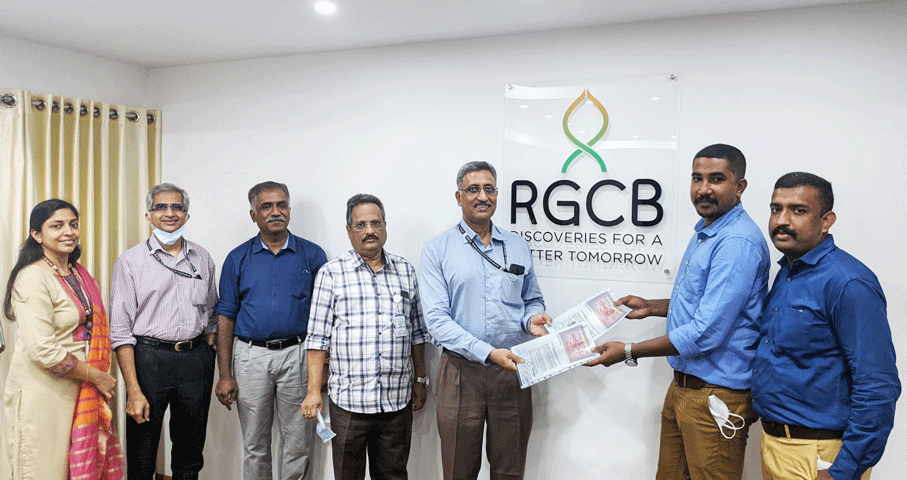
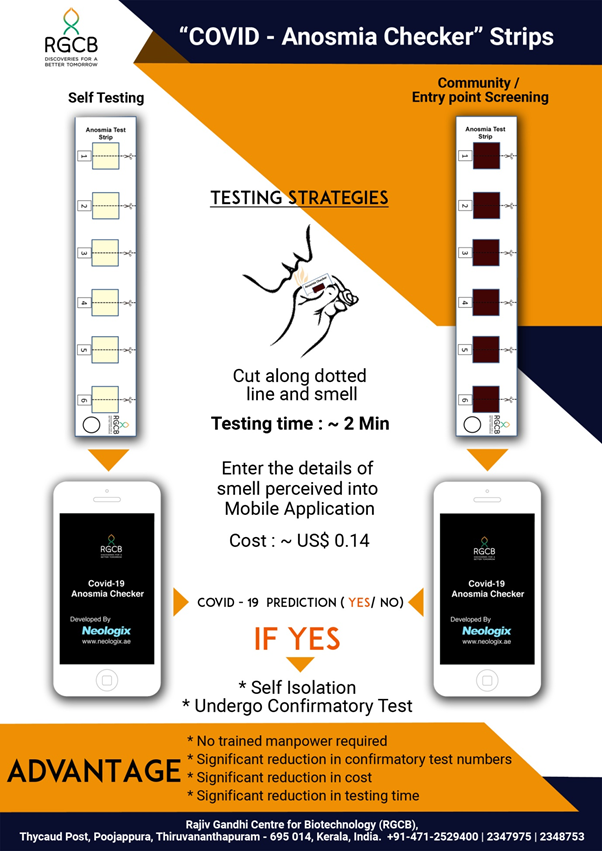
The second campus of the Rajiv Gandhi Centre for Biotechnology (RGCB) is ready for dedication to the nation, Union Minister for Science and Technology Harsh Vardhan announced here on Friday. "I am happy to announce that this research facility will be named Shri Guruji Madhav Sadashiv Golwalkar National Centre for Complex Disease in Cancer and Viral Infection," he said, while addressing a curtain-raiser session of the sixth edition of India International Science Festival (IISF).
RGCB's foundation stone was laid on November 18, 1995 by the then Prime Minister Shri P. V. Narashima Rao. To commemorate this RGCB celebrates November 18 as its Foundation Day, every year. This year happens to be the Silver Jubilee Year and it is our privilege to invite all of you for this year's Foundation Day Lecture by Professor P Balaram, Former Director, Indian Institute of Science, Bangalore on November 25, 2020 at 11.00 A.M.
The Central government has appointed Professor Chandrabhas Narayana, currently Dean (Research and Development) at the Jawaharlal Nehru Centre for Advanced Scientific Research (JNCASR), Bengaluru, as Director of the Rajiv Gandhi Centre for Biotechnology (RGCB). An accomplished scientist and interdisciplinary research leader, Professor Narayana succeeds Professor M. Radhakishna Pillai who retired as RGCB Director in August after a stint of over 15 years. The appointment is for a period of five years. Professor Narayana, who specialises in Raman Spectroscopy, has served as Professor of Chemistry and Physics of Materials Unit and Dean, Fellowships and Extension Programmes, JNCASR. He holds three international patents, a couple of which are on the verge of commercialisation.
Dr. E.V Soniya, Scientist G has been selected by Department of Biotechnology, Government of India for the National Woman Senior Bioscientist Award. The award is in recognition for her lifetime research contributions and their application to society. The award carries a cash prize of Rupees 5 lakhs together with citation and a gold medal.
Dr. Soniya has made significant contributions to understanding genomics of susceptibility of pepper to disease and also leads the DNA fingerprinting services. It was under her leadership that RGCB identified all victims of the Ochi cyclone and the Puttingal firework tragedy in record time.
http://dbtindia.gov.in/sites/default/files/Awardees_JA-NWB-2019.pdf
Decoding the language of genes
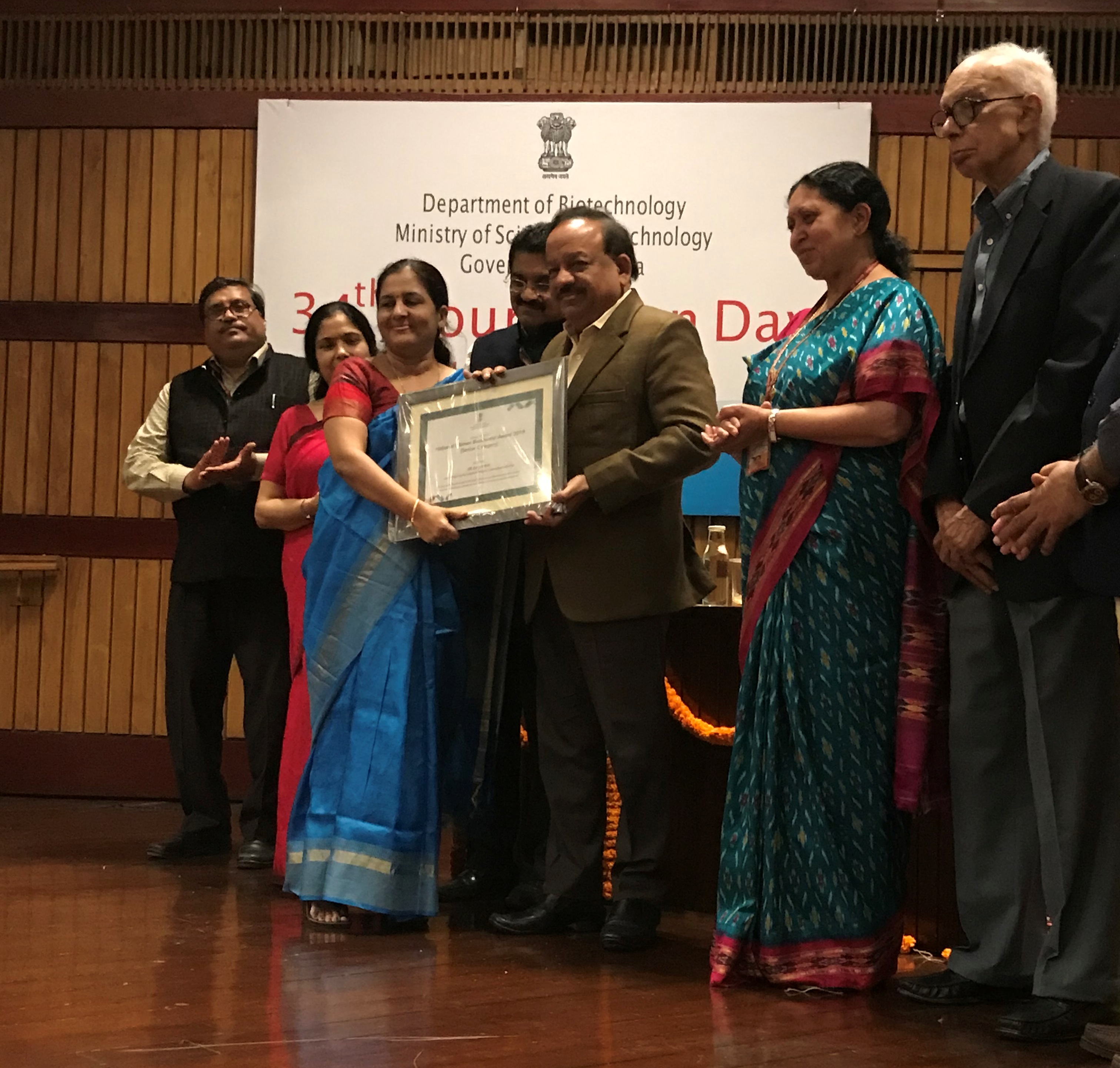
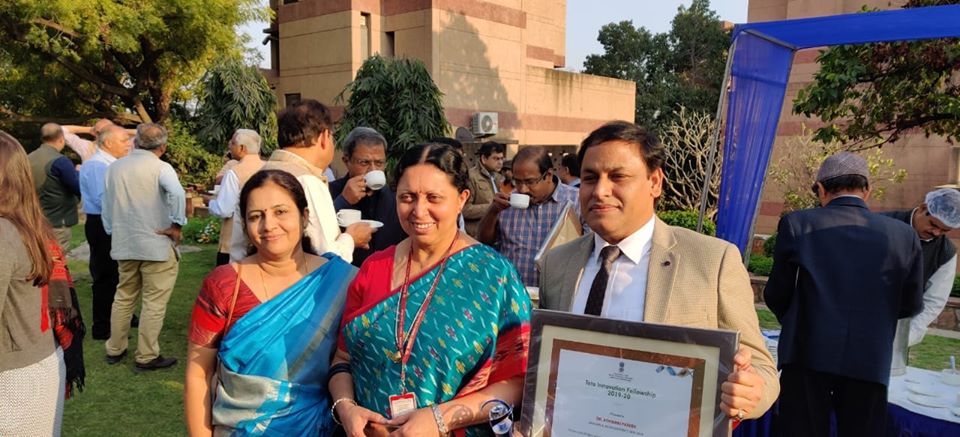
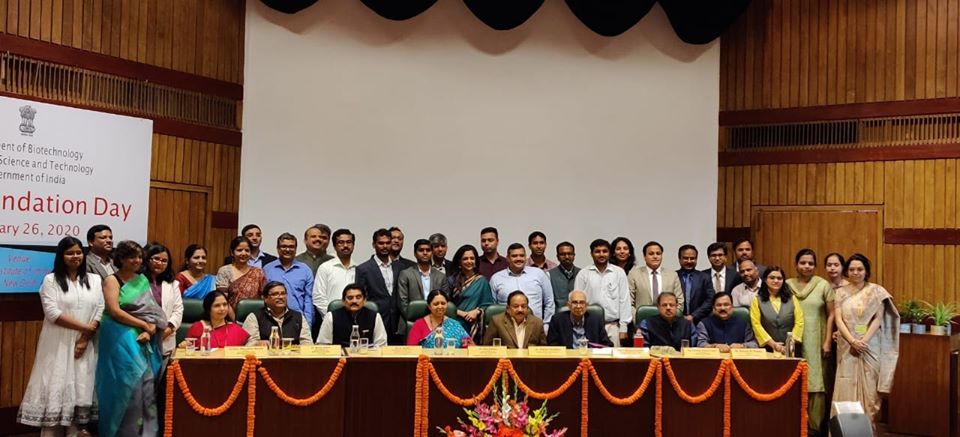
Dr. E.V Soniya receiving the DBT Woman Senior Scientist Award for lifetime research contributions from Honorable Union Minister for Science & Technology, Earth Sciences, Health and Family Welfare in Delhi on February 26, 2020.
Dr. E.V Soniya signing an MOU in the presence of the DBT Secretary on behalf of RGCB with a consortium of leading institutions in the UK for promoting collaboration in the area of crop sciences.
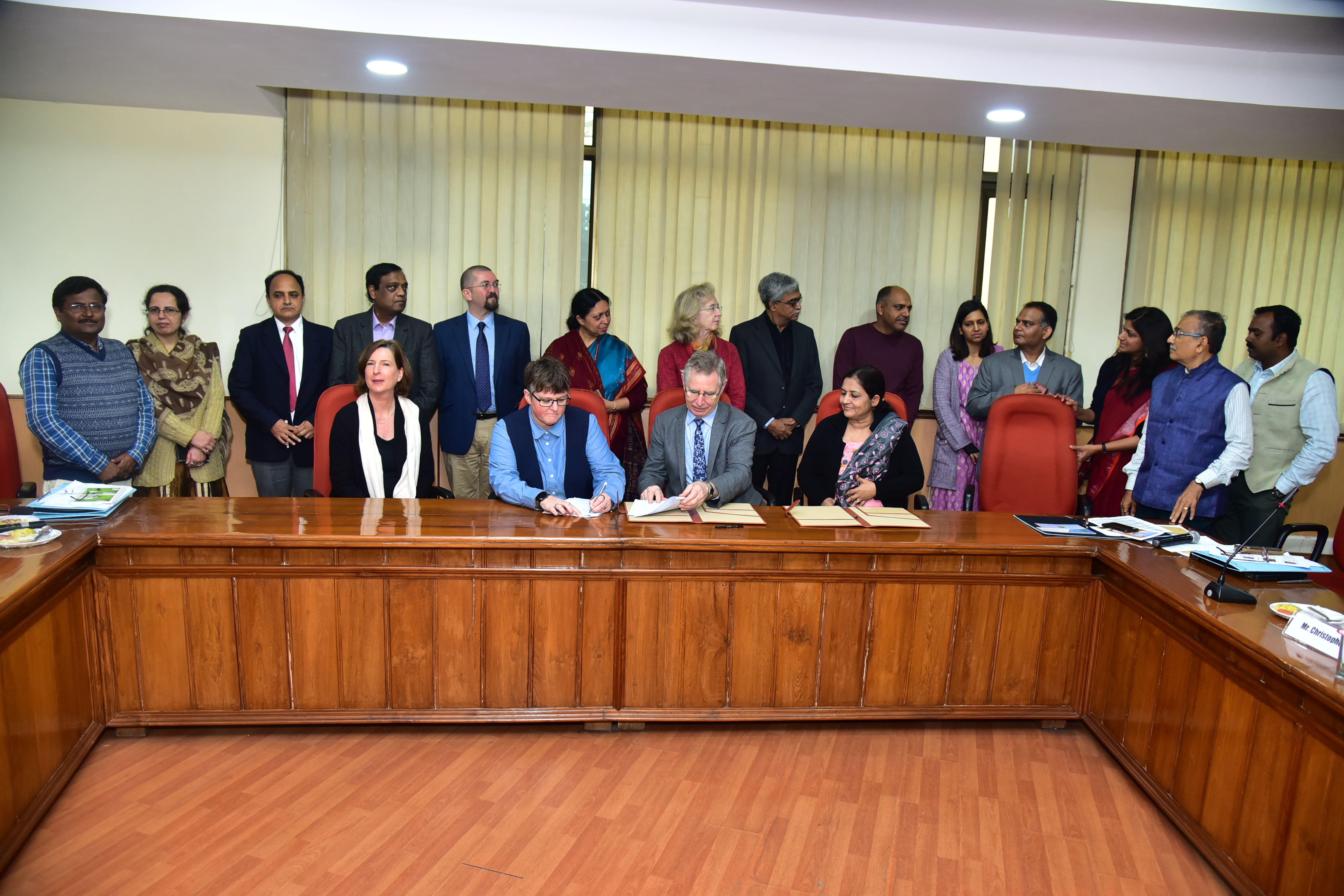

Dr. Rakesh Laishram, Scientist E-II & Wellcome Trust-India Alliance Intermediate Fellow, has been awarded the prestigious Swarna Jayanthi Fellowship by the Department of Science & Technology. Under this scheme, a selected number of young scientists, with proven track record, are provided special assistance and support to enable them to pursue basic research in frontier areas of science and technology.

Dr. K R Mahendran, DBT Ramalingaswamy Faculty Fellow, has received the Merck Young Scientist Award in Biological Science. The award carries a cash prize of ?2 lakhs together with a travel grant of ?1.5 lakhs.
Professor M. Radhakrishna Pillai, Director of Rajiv Gandhi Centre for Biotechnology (RGCB), has been selected for the Sun Pharma Research Award 2019 in Medical Sciences. The Sun Pharma Research Awards recognize excellence in original research in Medical and Pharmaceutical Sciences by Indian Scientists working in India and abroad.
The award carries a Trophy, Citation and a Cash Prize of ?2,50,000 (Rupees Two Lakh Fifty Thousand).
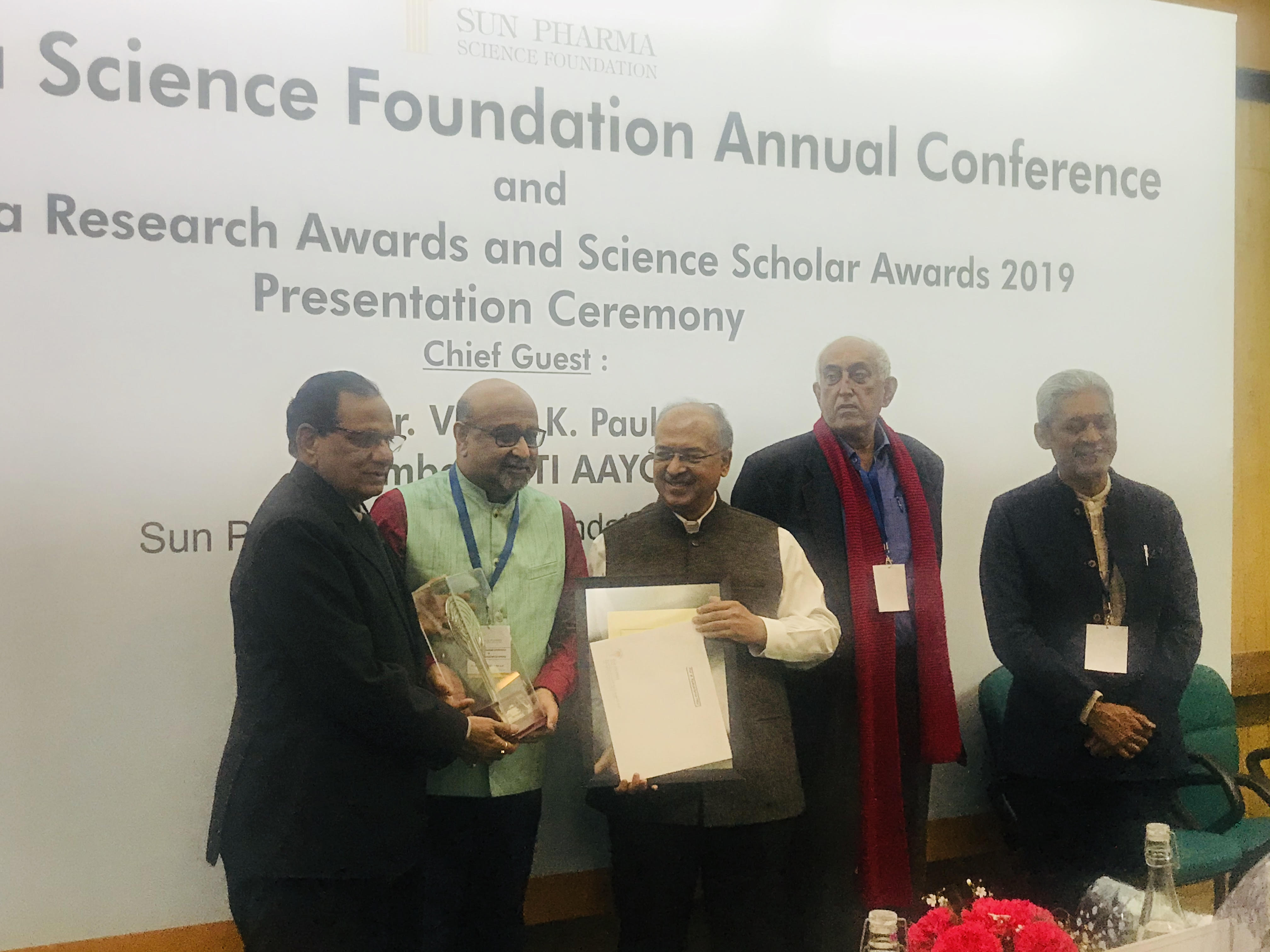
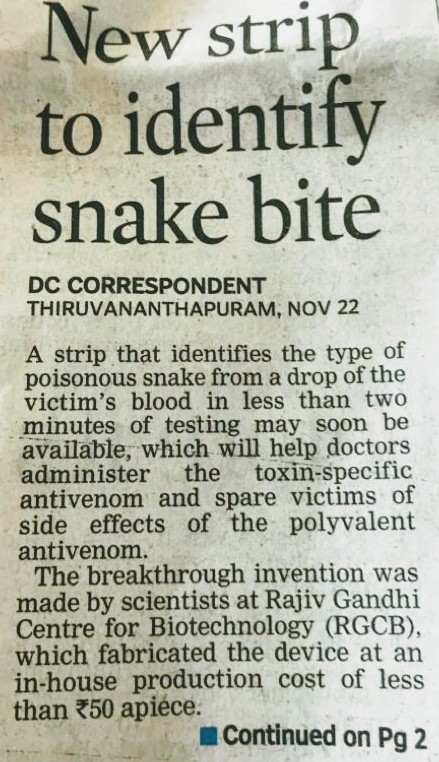
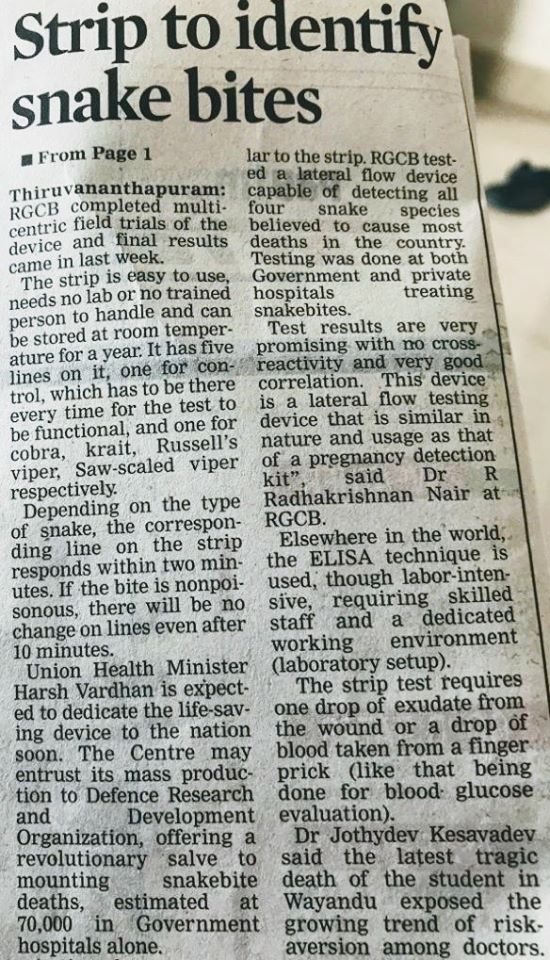

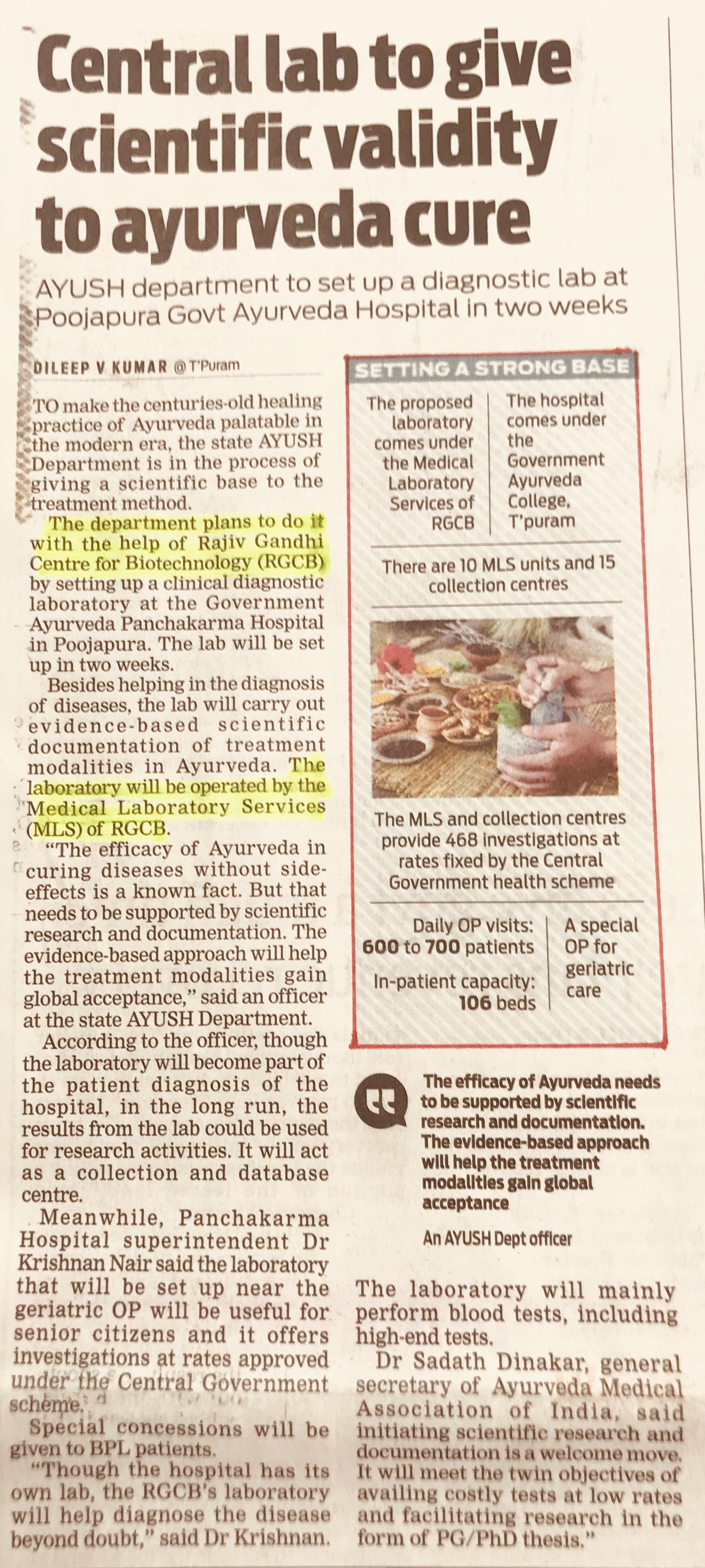
11.07.2019
Why bother with a master's degree? Across India, the post-graduate course has earned a slightly odd reputation. It's the scholar's stepping stone to a doctorate. It's lucrative in a handful of streams like business and development studies. But for much else it's seen as dated and out of touch with the job market.
Now, niche, post-graduate courses are fighting back. They offer interdisciplinary studies and specialisations in new domains that might help you get hired or get ahead. Industry professionals are included as faculty, and the curriculum is geared to provide hands-on experience. These are making a master's in law, arts, data analytics, data science and information technology (IT) especially productive.
The Sciences Get a Boost
Rajiv Gandhi Centre for Biotechnology (RGCB) recently launched its first masters programme with a specialisation in disease biology. The institute's director M Radhakrishna Pillai says most pharma, bio-pharma and biotech industries are typically unwilling to hire masters' level students. "The companies have to invest at least two years to get them job-ready," he says.
At the institute, most master's students "come from colleges and institutes that teach in an old fashioned way, with no access to modern technology," he says. They're not prepared for the research-oriented programme and the chance to work with India's top scientists.
So at RGCB, students actually work in the labs for their MSc programme. There's a large diagnostics facility for infectious diseases and a DNA fingerprinting facility. The institute's business-development incubator, BioNest, in Kochi, has 26 start-up companies and students intern with them. "There is high demand especially in the health industry, for trained people to work in advanced clinical diagnostics labs in the hospitals. And that is exactly what we are providing," he says.
J Irene Infancy, a first year student specialising in molecular diagnostics and DNA profiling says the facilities are a boon. "Not many institutes in India offer specialisation courses in biotechnology. It's one of the main reasons I chose to study here," she says. "The MSc biotechnology course has increased my scientific temperament and critical thinking."
19.08.2019
Rajiv Gandhi Centre for Biotechnology (RGCB) is all set to offer a new Masters programme in Biotechnology that is said to be the sole postgraduate programme in the country that allows students the opportunity to choose among three specialisations - disease biology, molecular plant sciences, and molecular diagnostics and DNA profiling.
It was the only standalone Masters programme offered by the Regional Centre for Biotechnology (RCB), Faridabad, through RGCB, Sudhanshu Vrati, executive director of the RCB said. Forty-one students have been enrolled for the first batch of the programme from over 700 applicants from across the country.
Launching the programme here on Saturday, Renu Swarup, Secretary, Department of Biotechnology, said the country currently focussed on working with global partnerships in emerging technologies in the biotechnology sector. Besides developing a conducive ecosystem for biotech start-ups, the department was supporting human resource development programmes such as the Star College scheme to support colleges and universities in improving science education across the country. Around 180 colleges had been brought under the ambit of the programme. Similar schemes were in place at levels including in postgraduation and research.
Dr. Swarup added that the department was well ahead on its path to turn the biotechnology sector into a $100-billion industry by 2025 in line with the National Biotechnology Development Strategy 2015-20. B. Anand, Additional Secretary, Department of Biotechnology; RGCB Director M. Radhakrishna Pillai; and RGCB MSc programme course coordinator Debasree Dutta also spoke on the occasion.
20.05.2019
The current global resurgence in measles is having its resonance in Kerala too, which has been witnessing a serious surge in the disease since January. Across the globe, huge local outbreaks have been caused by travel as well as the increase in unvaccinated populations. In Kerala, however, majority of the cases are reported from Thiruvananthapuram, which has good vaccination coverage and amongst people who are well-nourished and have received at least one dose of vaccine in their lifetime.
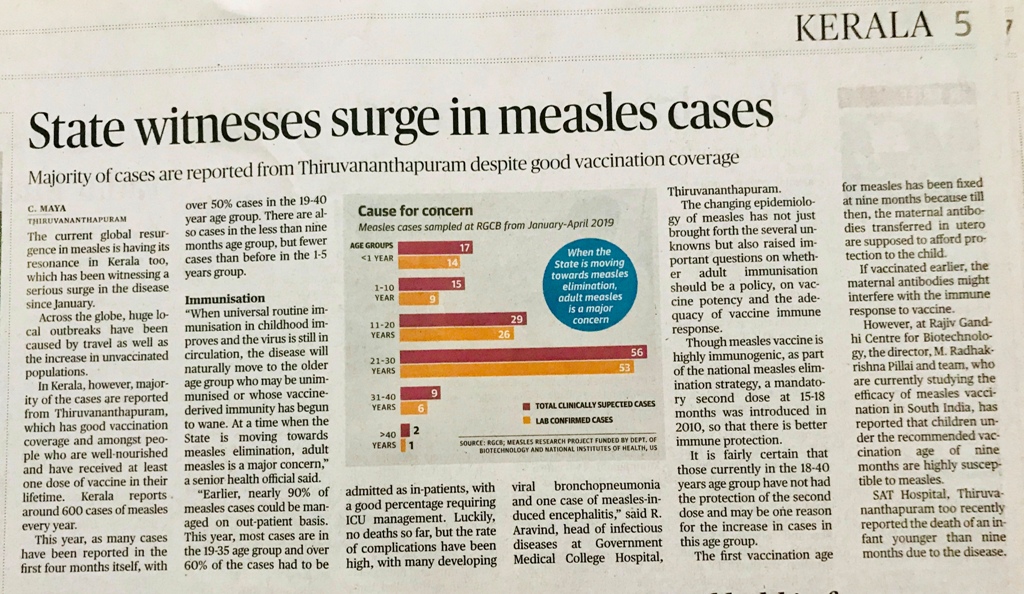
19.12.2018
DNA profiling may be a contentious issue among humans, but for Kerala's captive elephants, it's a done deal. In a first for India, every one of Kerala's captive elephants now has a unique DNA-based genetic ID. M. Radhakrishna Pillai, Director, Rajiv Gandhi Centre for Biotechnology (RGCB), which was given the task of DNA fingerprinting the elephants, handed over the DNA database, prototypes of Unique Identification Cards, and a study report to the Forest Department's Chief Wildlife Warden P.C. Kesavan on Tuesday.